Why Trying a Virtual Consultation Is Worth Your While
1. A Smart Modern Addition to In-Person Healthcare
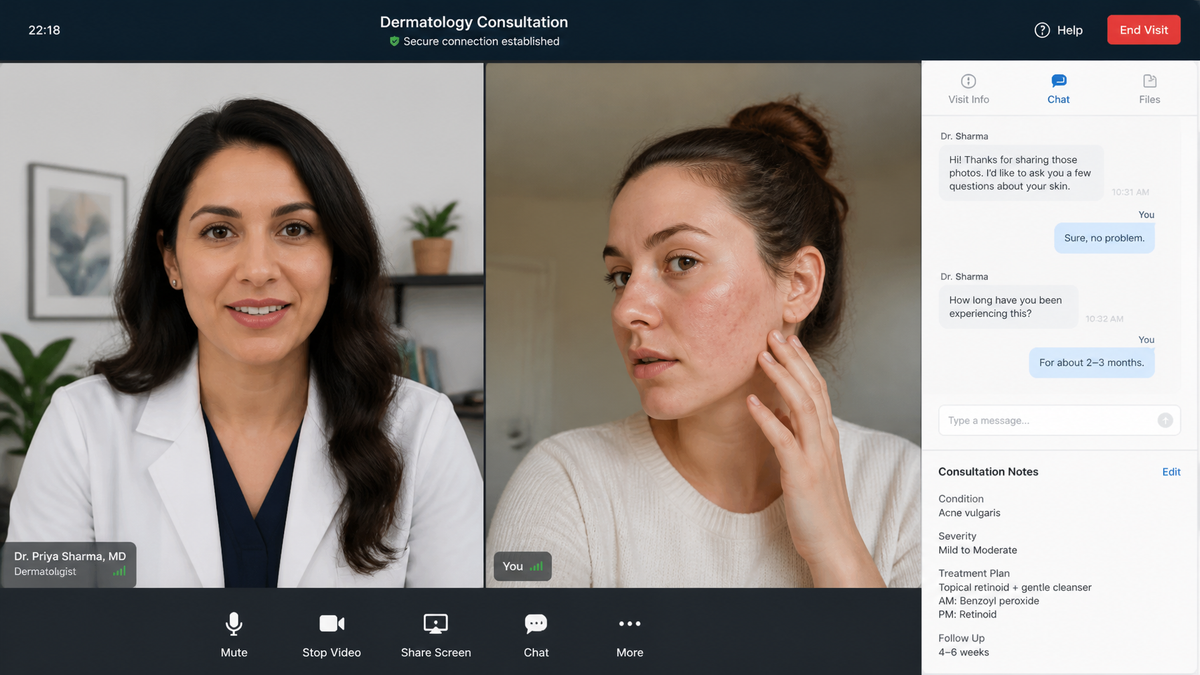
Telehealth is not meant to take the place of standard clinical medicine entirely. Urgent physical trauma, complex physical exams, and procedures obviously still demand face-to-face evaluation. Rather, video appointments serve as a powerful partner to traditional practices, extending the overall capacity of our healthcare services. When medical issues aren't suitable for remote review, reputable platforms will promptly redirect you to an in-person clinic.
2. Getting Ready for Your Video Call
To ensure your appointment runs smoothly, set yourself up in a quiet, properly lit space with a dependable internet connection. It pays to check your camera and microphone ahead of time. Keep a list of current medications, known allergies, and any home health readings (such as blood pressure) close by. Writing down your core questions and symptoms beforehand helps keep the session focused and productive.
3. Stepping into Digital Care
Taking advantage of remote care is straightforward, with most GP surgeries and healthcare providers offering simple app-based or online booking. A smart way to start is by scheduling a straightforward, routine appointment—like a medication review—to get comfortable with the format. Once you see how seamless it is, any initial hesitation quickly disappears.
4. The Shift Towards Digital Appointments
The way we see a doctor has fundamentally shifted. Remote consultations—whether with a GP, specialist, therapist, or pharmacist—allow patients across the UK to access medical guidance straight from home. What was once seen as an emergency alternative has evolved into a regular, highly effective option for routine care.
5. Fitting Healthcare Into Everyday Schedules
The key benefit of remote care is its sheer convenience. Instead of navigating traffic, paying for parking, taking extended leave from work, and sitting in busy waiting rooms, you can speak with a clinician from your own kitchen table. For parents, shift workers, and carers, this saved time makes prioritizing personal health far more manageable.
6. Privacy, Solace, and Peace of Mind
Opening up about sensitive topics, mental health concerns, or uncomfortable physical symptoms is often far easier from the comfort of your own home. Being in a familiar environment encourages open communication, which ultimately leads to better clinical care. It is equally reassuring for anxious patients or those who need to avoid busy waiting rooms to shield their immune system.
7. Removing Distance as a Barrier
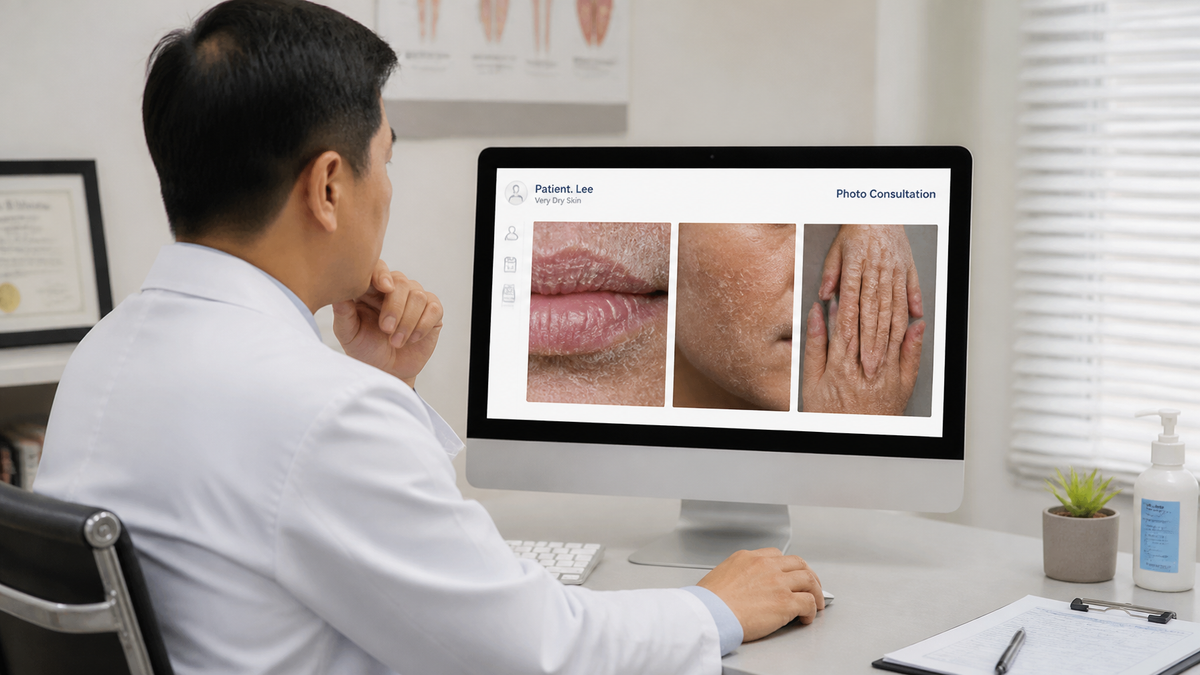
Remote appointments remove geographical challenges. Patients living in isolated rural locations, the elderly, individuals with physical disabilities, and students living away from home can all consult specialists without the stress of long travel. Telehealth ensures quality care is available regardless of where you live.
8. Faster Access and Reduced Delays
By shifting routine enquiries—such as test results, quick advice, or prescription renewals—to video calls, pressure on physical surgeries is lightened. This frees up valuable face-to-face slots for those who require physical checks. Patients also benefit from shorter waiting times, with many services providing same-day or next-day availability.
9. Effortless Management of Ongoing Health Conditions
For long-term conditions like asthma, hypertension, or diabetes, regular monitoring is essential. Digital check-ins allow doctors to review home readings and adjust treatments quickly without making patients travel. This frequent, low-friction contact helps catch potential issues early.
10. Financial Relief Without Sacrificing Quality
Virtual visits lower indirect expenses for patients by cutting out travel, parking, and lost work hours. Healthcare providers also save on administrative costs and facility overheads. These savings make routine healthcare significantly more accessible and affordable over time.
11. Looking to the Future
As remote monitoring devices and secure digital platforms improve, virtual consultations will become an even more integrated part of standard healthcare. Taking advantage of digital appointments gives you greater control over your health, offering a simpler, stress-free way to get the care you need.