
Article: What does Limelight IPL do?
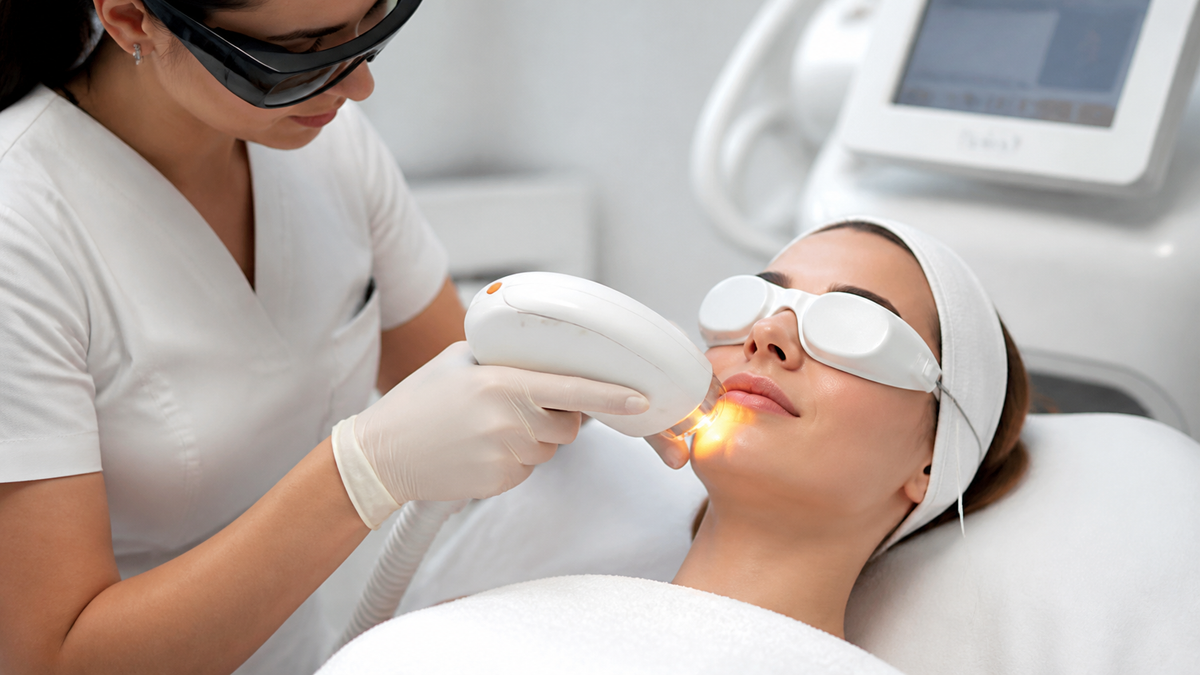
What does Limelight IPL do?
What Limelight IPL Actually Does
Limelight IPL (Intense Pulsed Light) is a non-invasive treatment designed to address facial redness, broken capillaries, sun spots, and uneven pigmentation. Unlike traditional lasers that deliver a single, focused wavelength, IPL outputs a broad spectrum of light. The Limelight system uses computerised filters that allow practitioners to tailor energy parameters specifically to target either haemoglobin (in blood vessels) or melanin (in pigmented spots) while safeguarding surrounding skin.
The mechanism relies on selective photothermolysis: target structures absorb the light energy and convert it into thermal energy, breaking down unwanted pigment or vessel walls. Over the subsequent weeks, the body’s natural clearance mechanisms process and remove the cellular debris. Because treatment works alongside natural physiological healing rather than aggressively disrupting the surface, sessions take roughly 20 to 40 minutes with minimal disruption, often earning it a reputation as a convenient "lunchtime" procedure.
Treatment Capabilities & Scope
-
Ideal applications: Diffuse sun damage, rosacea-related flushing, mottled discoloration, and superficial vascular markings.
-
Limitations: IPL is generally unsuitable for treating melasma, carries higher risks on darker skin tones without specialist calibration, and must never be used on suspicious moles or questionable lesions—which require formal dermatological evaluation.
Preparing for Your Appointment
Proper preparation directly influences treatment outcomes and minimizes adverse reactions.
-
Avoid Sun Exposure and Tanning (4 Weeks Prior): Avoid active sun exposure, sunbeds, and self-tanners. Active tans increase epidermal melanin, drawing light away from target areas and elevating the risk of superficial burns or post-inflammatory hyperpigmentation.
-
Pause Photosensitising Actives (1 Week Prior): Discontinue prescription retinoids, high-strength exfoliating acids (AHAs/BHAs), and photosensitising medications as directed by your clinician.
-
Streamline the Skincare Routine: Focus on gentle cleansing, hydrating serums, and barrier maintenance. A barrier-repair cream used twice daily in the two weeks leading up to your appointment creates an optimal baseline.
-
Day-of Protocol: Present to your consultation with clean skin free of makeup or topical products. Disclose any history of cold sores, recent UV exposure, active infections, or pregnancy during your consultation, and ensure a proper patch test is conducted prior to full treatment.
Treatment Experience & Immediate Sensations
During the procedure, each light pulse feels similar to a quick, warm elastic band snapping against the skin. Practitioners manage comfort using active cooling measures such as chilled gels, cold air streams, or integrated sapphire cooling tips. Most clients experience mild to moderate discomfort that does not require topical anaesthetics.
Immediately following a session, skin typically exhibits mild erythema and warmth comparable to slight sunburn, settling within a few hours to a day. Slight swelling—particularly around the periocular region—may occur. Minor crusting or blistering is rare and generally indicates excessive energy delivery; cold compresses and plain, occlusive moisturisers resolve most immediate side effects.
The Recovery Timeline
| Period | Expected Skin Changes | Care Instructions |
| Days 1–3 | Redness diminishes. Pigmented lesions darken and become more distinct. | Maintain a basic, non-irritating routine. Do not panic as spots darken. |
| Days 4–10 | Darkened pigment sloughs off naturally. Skin may feel dry or tight. | Avoid manual exfoliation, picking, or harsh scrubbing. |
| Weeks 2–4 | Clearer tone emerges with reduced redness and refined texture. | Observe primary results; schedule follow-up sessions every 3–4 weeks (typically 3–6 total). |
| Months 3+ | Continued dermal remodelling improves skin clarity and smoothness. | Maintain results with 1–2 maintenance treatments annually. |
Vascular concerns and rosacea respond with gradual, steady reduction in redness, whereas sun-induced spots typically show more immediate, visible clearance.
Post-Treatment Aftercare & Maintenance
The skin remains delicate for two weeks following an IPL session. To support recovery and avoid rebound pigmentation:
-
Keep the Routine Minimal: Stick to a gentle, fragrance-free cleanser, a simple hydrating serum, a lipid-replenishing moisturiser, and daily sun protection.
-
Prioritise SPF 50: Apply a broad-spectrum SPF 50 daily and reapply regularly when outdoors. UV exposure on recovering skin can trigger swift melanin production and reverse progress.
-
Reintroduce Actives Gradually: Wait approximately two weeks before reintroducing active ingredients, adding them back one at a time. Morning application of Vitamin C provides antioxidant support once healed, while Panthenol (B5) supports hydration. Retinoids should only be restarted once full recovery is confirmed.
To accurately track subtle, cumulative improvements, take clear, consistently lit photographs of your skin prior to treatment and four weeks after each session.

