Managing Rosacea: Daily Routine, Common Triggers, and What You Need to Know
A warm glow across the cheeks after a glass of wine or a brisk walk is easy to dismiss as a fleeting flush. However, when that redness lingers, returns unpredictably, and brings unwelcome symptoms—such as tiny bumps, visible blood vessels, or a stinging heat—it is time to look closer.
Rosacea is a chronic inflammatory skin condition affecting roughly one in twenty adults, most frequently those with fair complexions who flush easily. It is neither contagious nor caused by poor hygiene, nor is it simply a case of "sensitive skin". Because its early signs are subtle, it is often misdiagnosed as sunburn, adult acne, or a reactive skin barrier.
Below is a guide on how to build a soothing daily skincare routine, identify your personal triggers, recognise the different forms of rosacea, and know when to consult a medical professional.
Building a Skincare Routine That Soothes
Managing rosacea is less about active ingredients and more about avoiding irritation. Keep your routine simple and consistent:
-
Cleanse gently: Avoid harsh surfactants that strip the skin barrier and heighten reactivity. Cleanse once or twice daily using lukewarm water, fingertips, and a creamy, non-foaming cleanser.
-
Support the skin barrier: Well-hydrated skin handles external stressors far better. Seek out ingredients such as ceramides, glycerin, hyaluronic acid, panthenol, and low concentrations of niacinamide.
-
Introduce targeted ingredients with care: Soothing actives like azelaic acid, Centella asiatica, green tea, licorice root, and allantoin can be helpful. Introduce them one at a time and discontinue immediately if you feel a persistent sting.
-
Apply daily sun protection: Ultraviolet radiation is the most common trigger for flares. Apply a broad-spectrum mineral or well-tolerated chemical sunscreen of at least SPF 30 every day, even when indoors on bright days.
A helpful starting point is selecting products formulated without fragrance or drying alcohols. Formulations like REFORM Skincare’s Rosacea Relief range focus on calming botanicals rather than aggressive resurfacing agents. Essentials such as their Gentle Hydrating Crème Cleanser, Vitamin B5 Gel, and Skin Barrier Repair Cream help establish a solid base, while the Phyto Botanical Gel targets lingering redness. For daily sun care, an SPF 30 Mineral Sunscreen is ideal for filter-sensitive skin, whereas an SPF 50+ Antioxidant Sunscreen offers higher protection against UV-induced flushing and vessel expansion. Keep in mind that no topical product will cure rosacea, and claims to the contrary should be treated with scepticism.
Ingredients and Products to Avoid
Fragrance, essential oils, denatured alcohol, menthol, peppermint, eucalyptus, and physical scrubs frequently provoke flare-ups. Hot water and over-exfoliation are equally problematic. While strong exfoliating acids and retinoids are not strictly off-limits, they must be introduced slowly, buffered over moisturiser, and paused if skin stings upon application.
Identifying Your Personal Triggers

Although triggers do not cause rosacea, they provoke flare-ups. Common culprits include sun exposure, hot beverages, alcohol (especially red wine), spicy foods, extreme temperatures, saunas, strenuous exercise, cold winds, and emotional stress.
To pinpoint your triggers, keep a simple journal for a few weeks. Document your meals, drinks, outdoor exposure, and skincare applications alongside any skin reactions observed an hour later.
The Four Types of Rosacea
Dermatologists categorise rosacea into four primary subtypes, though many individuals experience a combination:
-
Erythematotelangiectatic Rosacea: Characterised by persistent redness across the central face (cheeks, nose, chin, and forehead), frequently accompanied by visible capillaries (telangiectasia), stinging or burning sensations, and prolonged flushing.
-
Papulopustular Rosacea: Features central facial redness alongside small red papules and pustules. Unlike acne, it typically lacks blackheads and deep cysts. Misidentifying this subtype as adult acne often leads to harsh, counterproductive treatments.
-
Phymatous Rosacea: Involves skin thickening and a bumpy texture, most commonly affecting the nose (rhinophyma). It occurs more frequently in men and generally develops after years of unmanaged inflammation.
-
Ocular Rosacea: Affects the eyes, causing grittiness, burning, dryness, crusting along the lash line, and recurrent styes. It can manifest before any skin symptoms appear and requires medical attention rather than cosmetic eye creams.
Differentiating Rosacea from Other Conditions
Because treatments differ significantly, distinguishing rosacea from similar skin issues is essential.
| Characteristic | Rosacea | Acne | Damaged Moisture Barrier |
| Blackheads / Whiteheads | Absent | Present | Absent |
| Flushing History | Typical | Uncommon | Possible |
| Stinging (Without Product) | Common | Rare | Common |
| Lesions | Papules, pustules | Comedones, cysts | None |
Note on Barrier Damage: Over-cleansing, aggressive exfoliants, or overuse of retinoids can disrupt the moisture barrier, producing redness and stinging that mimics mild rosacea. A damaged barrier usually stems from a recent product change, whereas rosacea typically develops gradually over a longer period.
When to Consult a Doctor
Schedule an appointment with a GP or dermatologist if your facial redness lasts for weeks, if you notice acne-like bumps that fail to clear with standard treatments, if you experience eye symptoms, or if the condition affects your psychological well-being.
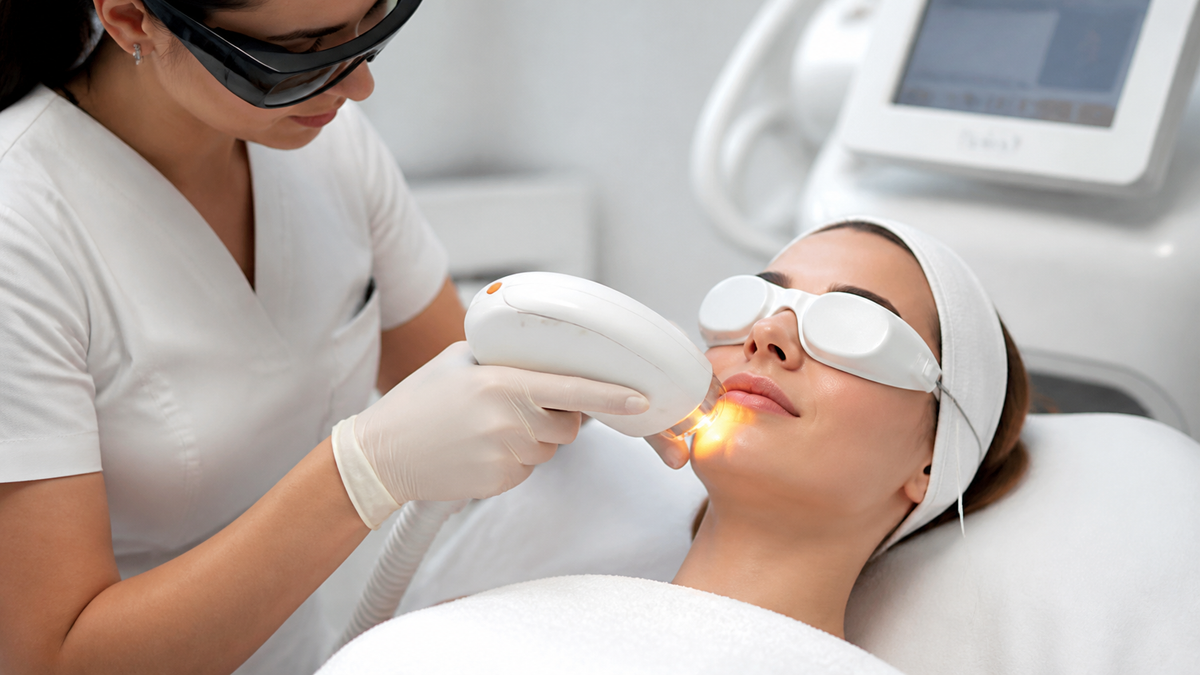
While rosacea is manageable rather than curable, early intervention prevents progression. A doctor can offer prescription options such as topical metronidazole, ivermectin, or azelaic acid, oral antibiotics for inflammatory flares, or vascular laser and intense pulsed light (IPL) therapies to reduce persistent blood vessels.
Long-Term Management
Managing rosacea requires patience and restraint. Long-term control relies on doing fewer things consistently, protecting skin from the sun daily, and accepting that occasional flare-ups—triggered by stress, heat, or diet—are normal. Think of flares not as failures, but as useful feedback from your skin.
Disclaimer: This article provides general information only and does not constitute medical advice. If you suspect you have rosacea, particularly with ocular symptoms, consult a doctor or dermatologist.