Walk into most laser clinics and you’ll hear the same pitch: “This laser works for everyone.”
It’s a comforting line—simple, reassuring, and almost entirely misleading.
The truth is that laser treatments are deeply personal. Nowhere is that more obvious than when treating Irish skin. Fair, reactive, prone to redness, and rich in its own particular quirks, Irish skin demands a tailored approach that cookie-cutter protocols simply cannot deliver.
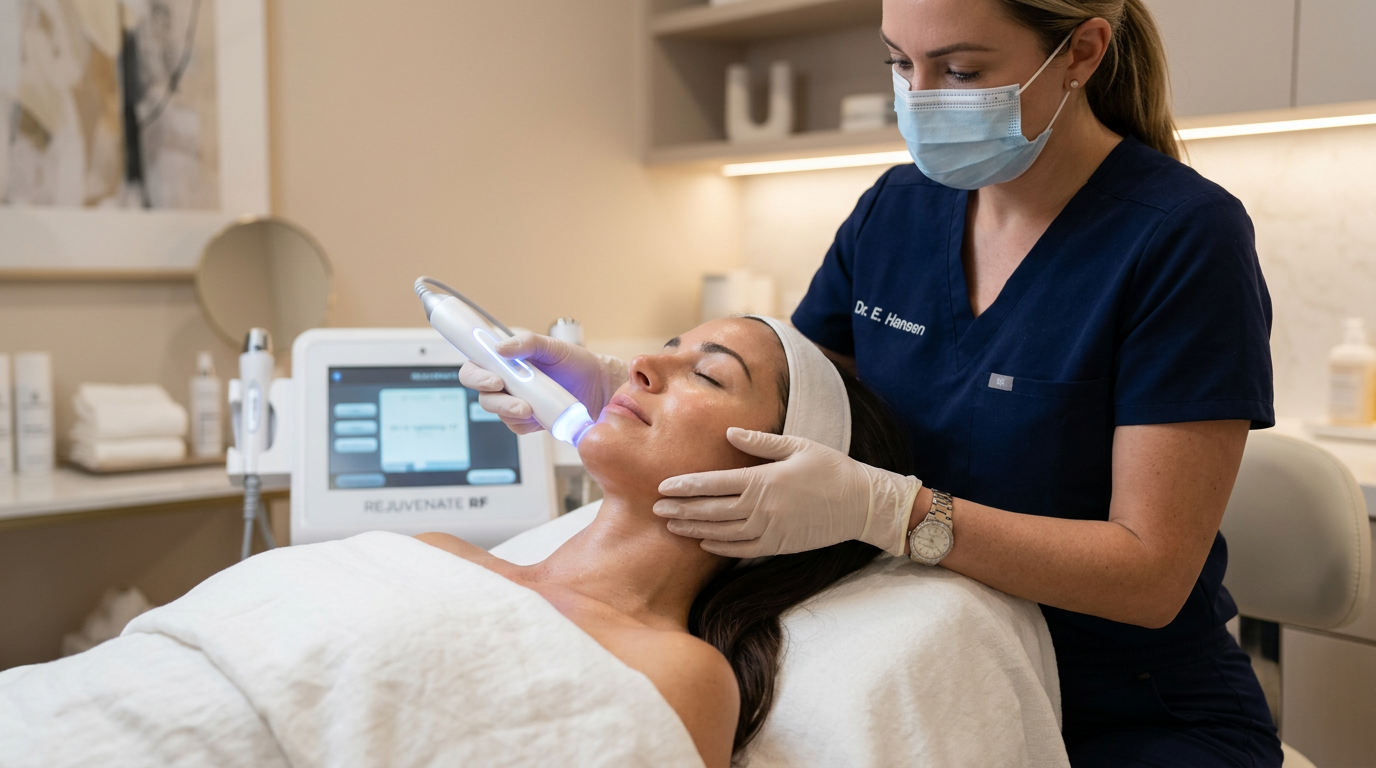
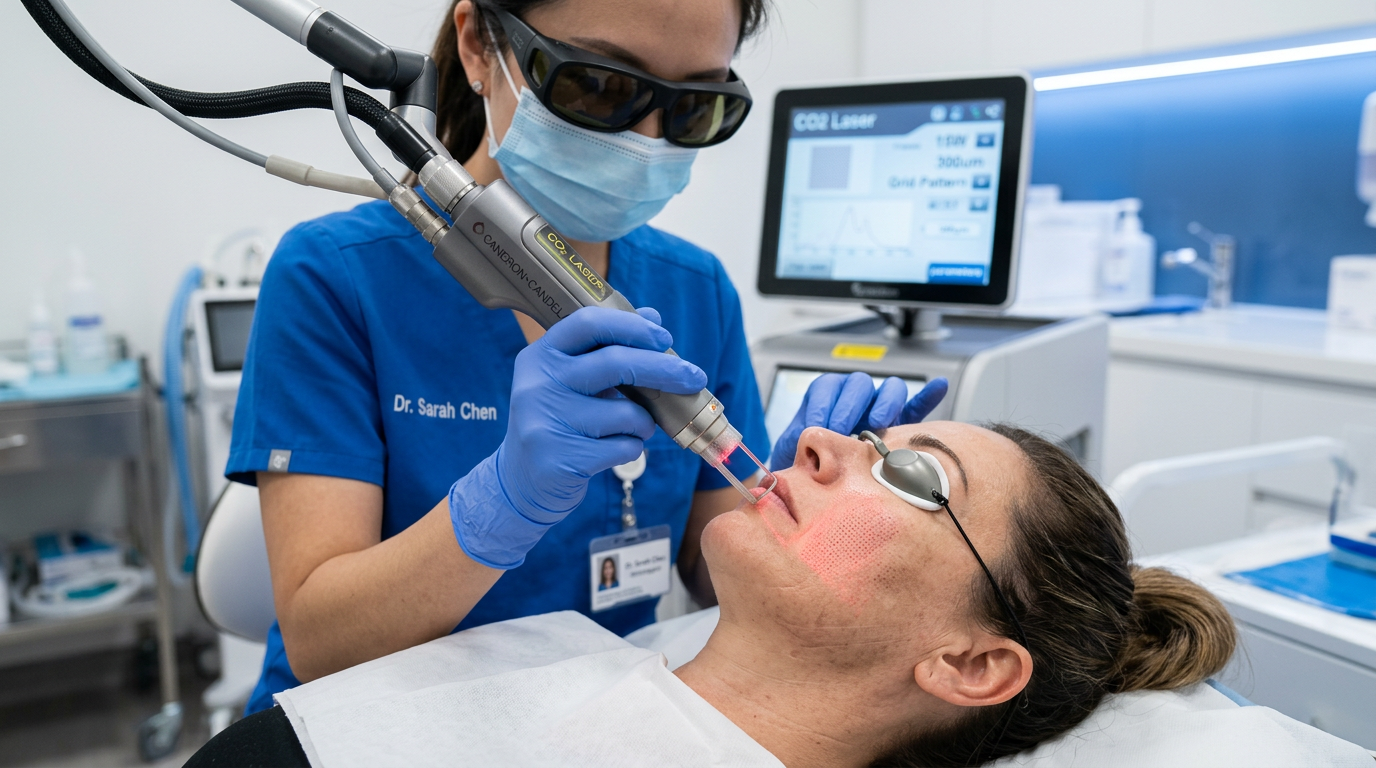
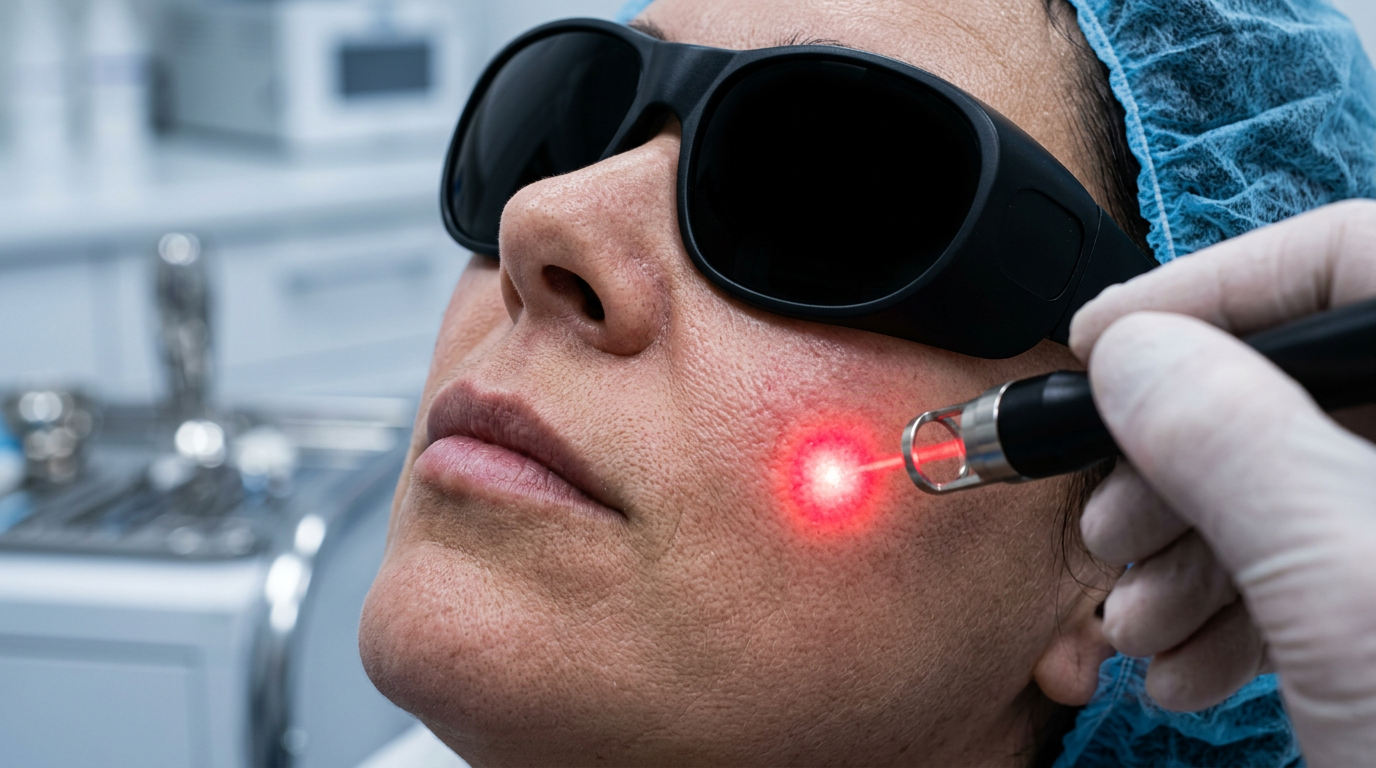
At our clinic, we’ve built an entire laser suite around that exact principle. Not one device. Not one default setting. Instead, we use a carefully curated collection of technologies, each selected because it solves a specific problem for the skin types that walk through our doors every day.
Why Generic Protocols Fail Fair Skin
Most global laser protocols are calibrated for a mid-range skin tone (Fitzpatrick III or IV). While this makes commercial sense on a global scale, it creates real risks for fair-skinned patients.
-
Altered Energy Absorption: Fair skin offers a very low-contrast background for target chromophores (like haemoglobin in a blood vessel or melanin in a sun spot). Laser parameters must be finely adjusted to hit the target without overwhelming the surrounding pale tissue. Too aggressive, and you risk burns or post-inflammatory hyperpigmentation; too conservative, and the treatment fails.
-
Heightened Vascular Reactivity: Irish skin doesn't just show redness more easily—it reacts more intensely to thermal energy. The inflammatory cascade can trigger prolonged downtime and paradoxical flushing if pulse durations and cooling protocols aren't meticulously managed.
-
Subsurface Sun Damage: Many Irish patients don’t think of themselves as sun-damaged because they don’t tan. However, decades of incidental UV exposure accumulate silently. Diagnostic imaging often reveals extensive subsurface damage that a generic treatment plan will entirely miss.
Inside Our Laser Suite: Match the Tool to the Tissue
Rather than forcing every patient through a single flagship machine, we treat our suite like a professional kitchen—selecting the exact tool required for the task at hand.

| Concern | The Technology | How It Works for Fair Skin |
| Diffuse Redness & Rosacea | Pulsed Dye Laser (PDL) | Targets oxyhaemoglobin at 595nm. We utilise lower fluences and longer pulse durations to heat vessels gradually, clearing redness without the violent bruising of older protocols. |
| Broken Capillaries & Thread Veins | Nd:YAG (1064nm) | Penetrates deeper to target distinct, stubborn vessels around the nose and cheeks. The longer wavelength bypasses surface melanin, protecting fair complexions. |
| Pigmentation & Sun Damage | Filtered IPL | Broad-spectrum light configured with specific filters. This allows us to target isolated freckling and age spots while minimising the thermal load on the surrounding pale skin. |
| Texture, Lines & Rejuvenation | Fractional Resurfacing | Creates controlled micro-injuries to trigger collagen production. While fair skin has a lower risk of scarring, healing redness lasts longer; we customise settings to balance results with realistic downtime. |
| Maintenance & Calming | LED & Low-Level Light | Non-thermal wavelengths that suppress inflammation, accelerate cellular healing between major sessions, and lower baseline skin reactivity. |
The Consultation: Where the Real Work Happens
The device matters, but the protocol—the settings, the sequence, the intervals—matters more. This complexity is precisely why a comprehensive consultation is the most critical step of your journey.
Before a laser touches your skin, we map your unique biology:
-
Is your redness vascular, inflammatory, or both?
-
Is that patch post-inflammatory erythema or active rosacea?
-
What does your skin barrier look like today, in this current season?
Using clinical skin analysis and a detailed medical history, we build a sequenced programme. Sometimes that means deploying a vascular laser to calm inflammation before we ever touch pigmentation. Other times, it means prescribing a course of medical-grade skincare to fortify your skin barrier before a single laser is switched on. And occasionally, it means honestly telling a patient that laser isn't the right answer for them, and guiding them toward a safer alternative.
The Takeaway
If you are navigating the complexities of fair, reactive skin, keep these three principles in mind:
-
Your skin is not generic. A default machine setting cannot understand your heritage. Demand a protocol tailored to your specific Fitzpatrick type.
-
Redness is a journey, not a quick fix. Lasting clearance comes from a considered, multi-step programme, not a single transaction.
-
Ask the hard questions. Ask your practitioner which wavelength they are using, why they chose it, and how they have adjusted the pulse parameters for your reactive skin. A competent expert will always welcome the conversation.
Inside our clinic, "one size fits all" isn't just inaccurate—it's a philosophy we deliberately built against. Your skin deserves a plan, not a default setting.
Ready for a Skin Strategy That Listens?
Skin this unique shouldn't be guessed at. Schedule a comprehensive clinical skin analysis with our specialists today, and let us design a bespoke laser protocol tailored to your skin’s exact history and hierarchy of needs.