Virtual vs. In-Person: When Is It Time for a Face-to-Face Dermatology Consultation?
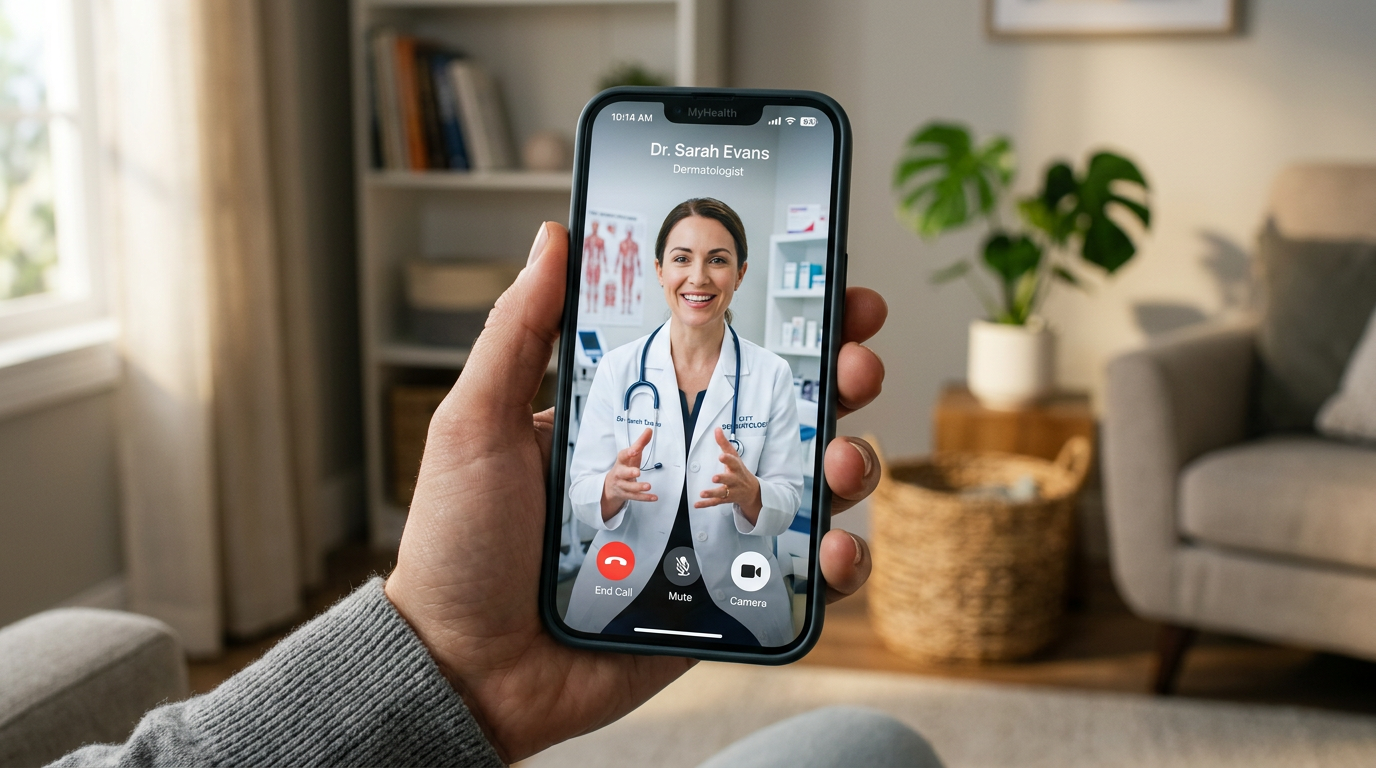
Virtual healthcare has changed the way many people access medical advice. Dermatology, in particular, has adapted well to online consultations because so many skin, hair and nail concerns can be assessed visually. A clear photograph, a detailed history and a video conversation can often give a dermatologist enough information to offer guidance, suggest treatment or decide whether further assessment is needed.
Yet virtual dermatology is not a complete replacement for in-person care. Skin can be subtle. Texture, depth, tenderness, warmth, bleeding, changes over time and the feel of a lesion can all matter. Some concerns require close examination with specialist tools, a skin biopsy, a procedure or urgent hands-on care. The key is knowing when an online appointment is a sensible first step and when a face-to-face consultation is the safer choice.
This article explains the strengths and limits of virtual dermatology, the situations that usually suit an online appointment, and the warning signs that mean it is time to see a dermatologist in person.
Why virtual dermatology has become so popular
Virtual dermatology is convenient, accessible and often faster than waiting for a clinic appointment. For people with busy schedules, mobility challenges, caring responsibilities or limited access to specialist services, an online consultation can remove many barriers.
It can also be highly efficient. Many common skin conditions have recognisable patterns. Acne, rosacea, eczema, psoriasis, fungal infections, hair shedding, nail changes and simple rashes may be assessed through photographs and a medical history. In some cases, the dermatologist may be able to recommend treatment without needing to see the skin under clinic lighting.
Virtual care can also be useful for follow-up appointments. If you have already been diagnosed and started treatment, an online review can help monitor progress, adjust medication or discuss side effects. For example, a person using prescription acne treatment may not need to attend the clinic every time if the dermatologist can see improvement through photographs and ask the right questions.
Another advantage is early triage. Even when an online consultation cannot fully solve the issue, it can help determine how urgent the problem is. A dermatologist may advise reassurance, a routine clinic visit, or a faster face-to-face appointment if something looks concerning.
What virtual dermatology can do well
Virtual consultations work best when the concern is visible, well photographed and not immediately dangerous. They are especially useful when the dermatologist can combine images with a clear story: when the problem started, how it has changed, what symptoms are present, what treatments have been tried and whether there are any triggers.
Common examples that may be suitable for virtual dermatology include:
-
Acne and oily skin concerns. Dermatologists can often assess acne severity from good-quality photos and recommend topical treatments, oral medication or skincare changes.
-
Eczema and dermatitis flare-ups. If the rash is familiar or clearly visible, online care may help identify triggers and guide treatment.
-
Rosacea. Redness, flushing, bumps and sensitivity can often be reviewed virtually, especially when the condition is ongoing rather than sudden.
-
Psoriasis monitoring. Virtual reviews may be suitable for stable psoriasis or treatment follow-up, although severe cases may still need in-person assessment.
-
Hair loss discussions. A dermatologist can take a history, review photographs of the scalp and suggest investigations or treatment options.
-
Nail concerns. Some nail problems can be initially assessed online, although fungal testing or examination may be needed.
-
Medication follow-ups. If a diagnosis is already established, virtual appointments can be helpful for checking response and tolerability.
For these types of concerns, virtual care can be a practical first step. It may save time, reduce travel and help people access expert advice sooner.
The limits of an online skin consultation
Although photographs and video can show a great deal, they do not show everything. Lighting, focus, camera quality and skin tone can affect what is visible. A rash may look different in person than it does on screen. A mole may appear harmless in a photograph but reveal concerning details under dermoscopy, a specialist examination technique used to inspect skin structures more closely.
Virtual consultations also cannot replace touch. A dermatologist may need to feel whether a lump is firm, fixed, tender, warm, fluctuant or deep under the skin. These physical details can influence diagnosis and treatment. For example, a cyst, abscess, swollen lymph node or deep inflammatory lesion may require hands-on assessment.
Procedures are another limitation. A dermatologist cannot perform a biopsy, remove a mole, drain an abscess, freeze a wart, inject a scar, test a patch of skin or take a sample through a screen. If there is a chance that diagnosis or treatment depends on one of these steps, an in-person visit becomes necessary.
Online consultations also rely on the patient being able to provide accurate information. If symptoms are vague, widespread, rapidly changing or linked to systemic illness, a virtual appointment may not be enough. Skin can reflect internal health, allergic reactions, infection, autoimmune disease or medication side effects, and some of these require physical examination or urgent care.
When virtual dermatology is a sensible first step
A virtual appointment may be appropriate if your concern is mild, stable and clearly visible. It can also be useful if you mainly need advice, reassurance or a review of an existing treatment plan.
You might consider starting virtually if:
-
The skin issue is not painful, bleeding, rapidly worsening or associated with fever.
-
The concern has been present for a while and has changed slowly.
-
You can take clear photographs in natural light from more than one angle.
-
You are looking for advice on acne, eczema, rosacea, dandruff, pigmentation, hair shedding or a routine flare-up of a known condition.
-
You need a medication review or follow-up after a previous diagnosis.
-
You are unsure whether the problem needs urgent attention and want professional triage.
To get the most from a virtual appointment, prepare in advance. Take photographs in good lighting, include both close-up and wider images, and avoid filters or heavy moisturiser immediately before taking pictures. Write down when the issue began, whether it itches or hurts, what makes it better or worse, and what products or medications you have used. If the concern involves a mole or mark, mention whether it has changed in size, shape, colour, sensation or bleeding.
When it is time for a face-to-face dermatology consultation
Some skin concerns should be assessed in person because the risks are higher or because a diagnosis cannot be made safely online. A face-to-face visit allows the dermatologist to examine the skin closely, use dermoscopy where appropriate, feel lumps or lesions, and perform tests or procedures if needed.
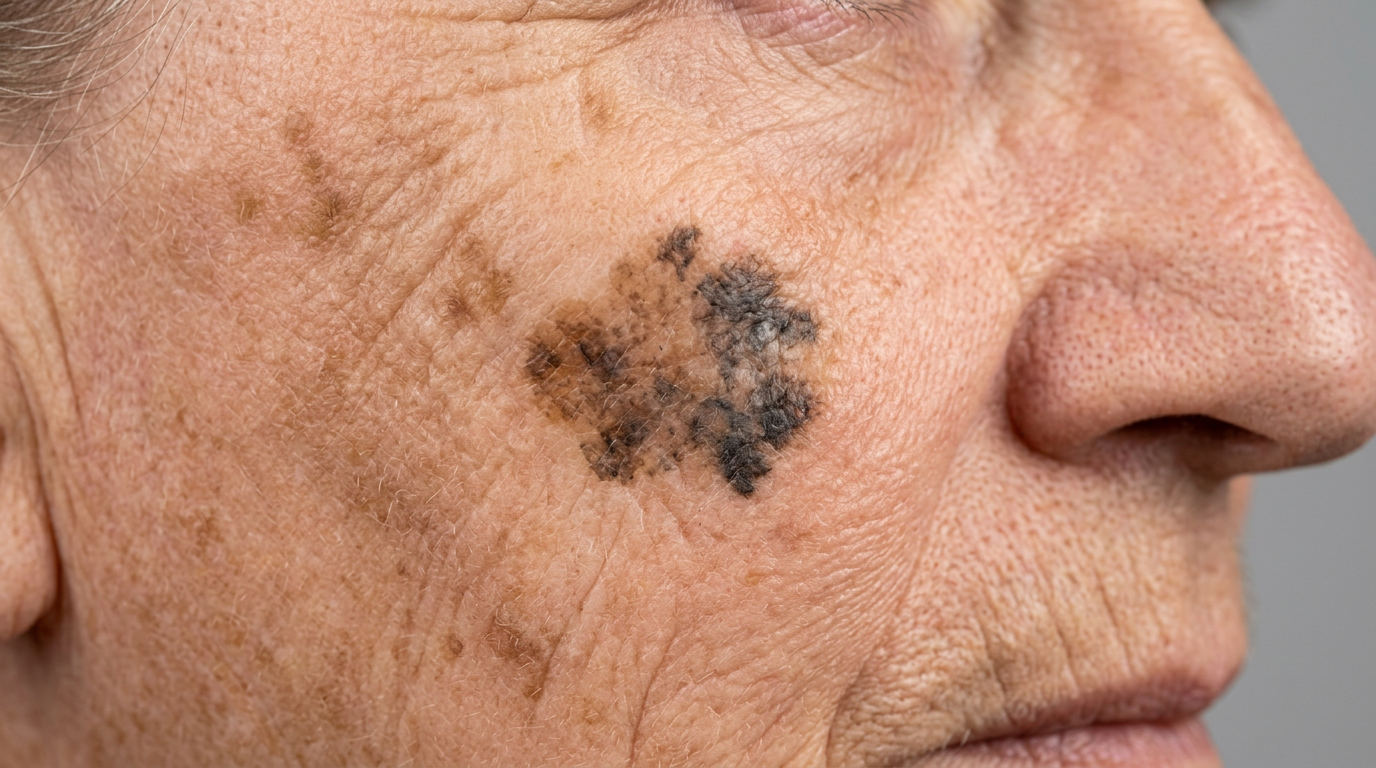
You should arrange an in-person dermatology consultation if you notice a mole or skin lesion that is changing, especially if it is growing, darkening, becoming irregular, bleeding, crusting or not healing. Changes in a mole should never be ignored. While many are harmless, some may require dermoscopic examination or biopsy to rule out skin cancer.
A face-to-face appointment is also important for a new lump, deep swelling or painful area under the skin. Cysts, abscesses and inflamed nodules may need examination, drainage, antibiotics or another procedure. If the skin is hot, very painful, spreading quickly or associated with fever, urgent medical care may be needed rather than a routine dermatology appointment.
Widespread or rapidly worsening rashes should also be assessed in person, particularly if they come with fever, facial swelling, blistering, skin peeling, mouth ulcers, eye symptoms, breathlessness or feeling generally unwell. These symptoms can suggest a serious reaction, infection or inflammatory condition that needs prompt attention.
In-person care is also advisable when a rash keeps returning despite treatment, when the diagnosis is unclear, or when previous online advice has not helped. Persistent skin problems may need testing, such as skin scrapings, swabs, blood tests, allergy assessment or biopsy.
You should also consider a clinic visit for hair loss that is sudden, patchy, scarring, painful or associated with scalp redness, scaling or sores. Some causes of hair loss require early treatment to prevent permanent damage.
Red flags that should not wait
Some symptoms should be treated as urgent. Seek prompt medical attention if you have:
-
A rapidly spreading rash with fever or severe illness.
-
Blistering, skin peeling or sores in the mouth, eyes or genitals.
-
A painful, hot, swollen area of skin that is expanding.
-
A mole or lesion that bleeds, crusts, grows quickly or does not heal.
-
Sudden facial swelling, breathing difficulty or signs of a severe allergic reaction.
-
A skin infection near the eye, or swelling around the eye.
-
A rash that appears after starting a new medication and is worsening.
-
Purple spots or bruising-like marks that do not fade when pressed, especially with fever.
-
Severe pain out of proportion to the appearance of the skin.
These situations may need urgent care, not just a scheduled virtual appointment.
The role of photographs in virtual dermatology

Good photographs can make a virtual consultation far more useful. Poor images, on the other hand, can lead to uncertainty and may result in the dermatologist recommending an in-person visit.
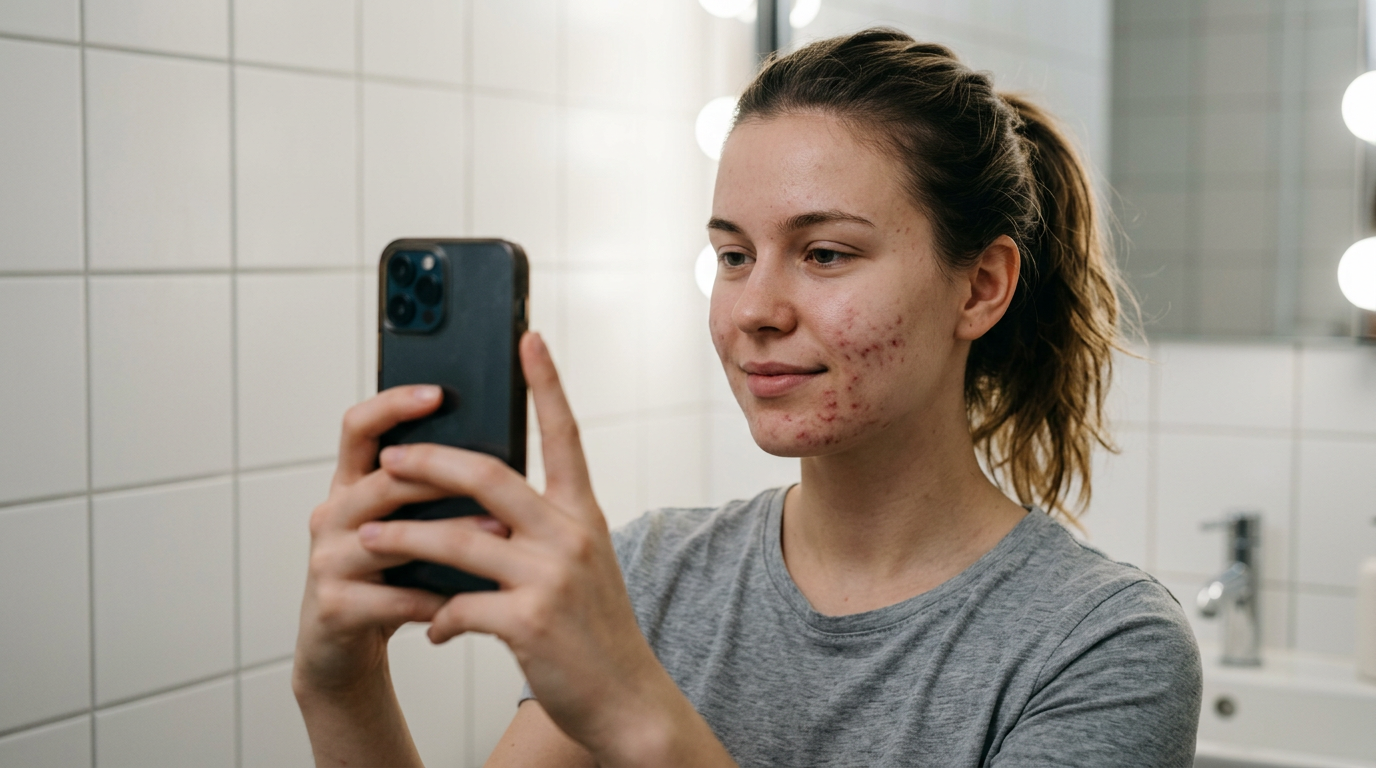
For better photographs, use natural daylight where possible. Stand near a window rather than under harsh bathroom lighting. Take one image from a distance to show where the problem is on the body, then one or two close-ups to show detail. Keep the camera steady and make sure the image is in focus. If photographing a mole, include a ruler or another scale marker beside it, but do not cover any part of the lesion.
For rashes, include photographs of all affected areas. For acne, take front and side views of the face. For hair loss, photograph the hairline, parting, crown and any patches. For nail problems, include all affected nails and, if possible, a comparison with unaffected nails.
It is also helpful to photograph the concern over time. A series of images taken days or weeks apart can show whether something is improving, spreading or changing.
Virtual and in-person care can work together
The best approach is not necessarily virtual or in-person. Often, the two work together. A virtual consultation may be the starting point, followed by a clinic visit if the dermatologist needs a closer look. Alternatively, an in-person diagnosis may be followed by virtual reviews to monitor progress.
For example, someone with acne might have an initial online appointment, begin treatment and continue with virtual follow-ups. Someone with a suspicious mole, however, may be triaged online but then asked to attend in person for dermoscopy or biopsy. A person with eczema may use virtual care for routine flares but visit the clinic if the rash becomes infected, severe or resistant to treatment.
This blended model can make dermatology more efficient while still protecting patient safety. It allows straightforward issues to be handled conveniently, while ensuring that more serious or uncertain problems receive hands-on assessment.
How to decide which appointment you need
A simple way to decide is to ask three questions:
-
Is the concern stable or changing quickly? Stable, mild and familiar problems may suit virtual care. Rapidly changing, painful or spreading problems need closer attention.
-
Does the dermatologist need to touch, test or treat the area? If the answer may be yes, an in-person visit is likely better. This includes lumps, suspected infections, unusual moles, non-healing sores and conditions that may require biopsy or a procedure.
-
Are there any whole-body symptoms? Fever, feeling unwell, swelling, blistering, mouth ulcers, eye symptoms or breathing problems all raise the level of concern.
If you are unsure, a virtual appointment can still be useful for triage. However, if something feels urgent, severe or worrying, it is safer to seek prompt face-to-face medical care.
Final thoughts
Virtual dermatology is a valuable option for many skin concerns. It can be convenient, quick and effective for common conditions, treatment reviews and initial advice. For mild acne, eczema flares, rosacea, hair loss discussions or routine follow-ups, an online appointment may be a sensible and efficient choice.
But some situations need the detail and safety of a face-to-face consultation. Changing moles, painful lumps, suspected infections, rapidly worsening rashes, non-healing sores, severe symptoms and conditions requiring tests or procedures should be assessed in person.
The goal is not to choose one form of care over the other permanently. The goal is to use each at the right time. Virtual consultations can open the door to faster dermatology advice, while in-person appointments remain essential when the skin needs closer examination, physical assessment or immediate treatment. Knowing the difference helps you get the right care sooner, with confidence and peace of mind.