The Post-Summer Reset: Repairing Your Skin as Autumn Approaches
Summer in London rarely feels dramatic, but the skin damage it leaves behind usually is. At The Adare Dermatology Clinic, Chelsea, the weeks either side of the August bank holiday are consistently when patients start noticing the real cost of the season: months of higher UV exposure, warmer temperatures, and for many, extended stretches abroad in far stronger sun than London ever sees. Before we get into building an autumn routine, it's worth dealing with that damage properly first.
Why Late Summer Is the Right Moment to Hit Reset
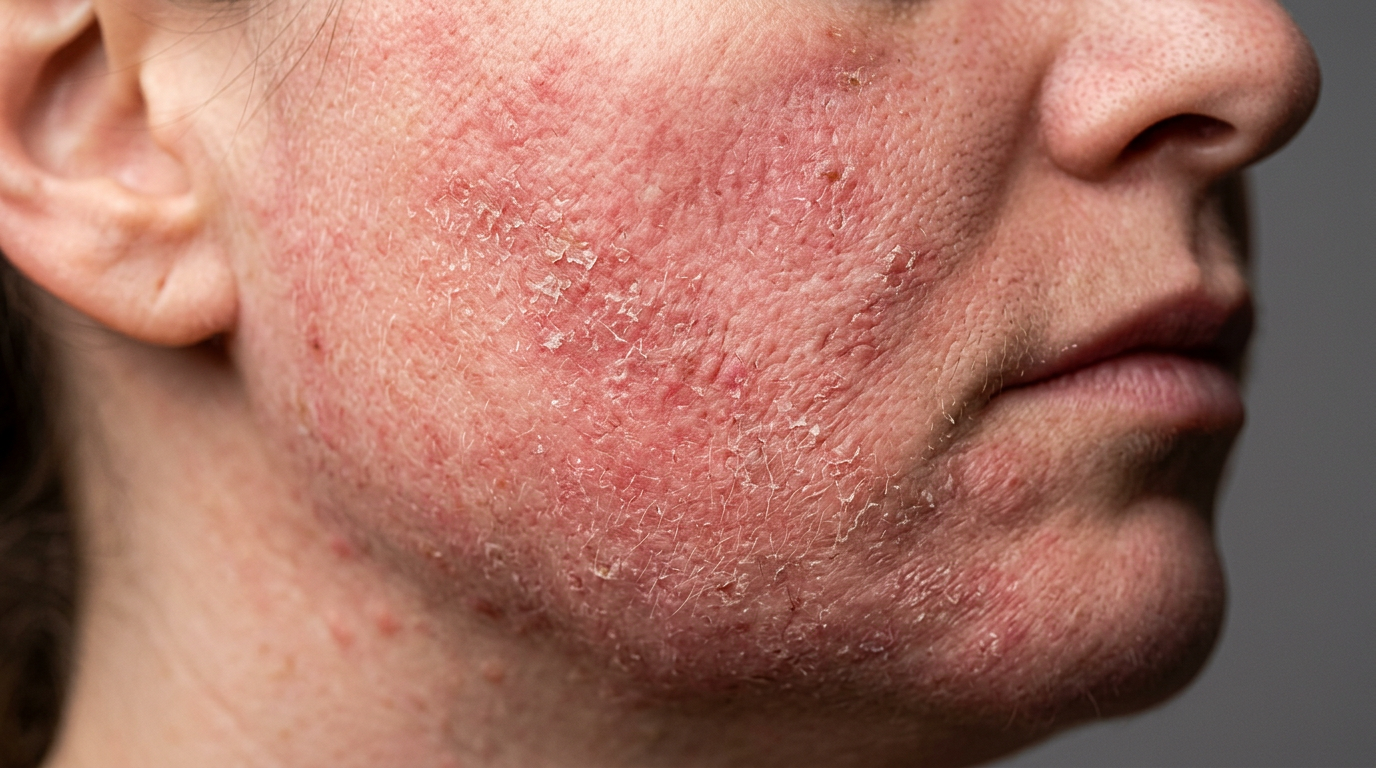
The effects of summer accumulate quietly. Even on London's more overcast days, UV exposure adds up over months, and for patients who've spent real time abroad, whether a week in the Mediterranean or the whole season travelling, that exposure is often dramatically higher again. By the time September arrives, we're commonly seeing new pigmentation or a worsening of existing melasma, visibly broken capillaries, a duller overall tone, rougher texture, and skin that's simply lost its usual evenness. Add in the effects of more frequent washing to remove sweat and sunscreen, more time in pools or the sea, and general summer dehydration, and it's clear why skin needs more than a routine swap at this point, it needs genuine repair.
That's why we encourage patients to treat this point in the calendar as a proper reset window: a dedicated period to correct what summer has done, before building back up to the heavier, more protective routine autumn and winter require.
Clinical Treatments Worth Considering Right Now
For patients coming in at this time of year, we generally draw from the following, matched to what their skin specifically needs.
Microdermabrasion is frequently our starting point. This gentle, mechanical exfoliation clears away the dull, congested top layer of skin that tends to build up over summer, and it sets a good foundation for anything more targeted that follows.
Chemical peels, whether glycolic, salicylic, or TCA-based depending on the concern, are particularly effective for pigmentation, sun-induced discolouration, and uneven texture. We often run these as a short course across September and October, building results progressively while allowing proper recovery time between each session.
IPL (Intense Pulsed Light) works well for pigmentation, redness, and the broken capillaries that tend to become more noticeable after a summer of sun exposure. Because it relies on heat, though, we're careful about candidacy: patients with active melasma or skin that's still tanned need a more cautious approach, as heat-based treatments can destabilise melasma-prone skin and make pigmentation worse rather than better.
Secret RF, a radiofrequency microneedling treatment, pairs the collagen-stimulating effect of microneedling with RF energy for more significant remodelling. It's a strong choice for texture concerns, early scarring, and mild tightening, though the same heat-related caution applies for melasma-prone or highly reactive skin.
Medical microneedling on its own, without radiofrequency, stimulates collagen production without introducing meaningful heat into the skin, making it a more suitable option where heat-based treatments like IPL or Secret RF need extra caution, including many melasma-prone and darker skin types.
Which of these makes sense, and in what order, comes down entirely to your individual skin, how much sun exposure you've actually had this summer, and any underlying conditions such as melasma or rosacea. That's why every plan starts with a proper skin assessment rather than a generic treatment menu.
What Your At-Home Routine Should Be Doing Right Now
Whatever in-clinic treatment you have, your daily routine needs to support the recovery, not undermine it. This is a good moment to lean on a proper barrier repair cream, especially if your skin feels sensitised from sun exposure or recent treatment, and to bring a vitamin C serum back into your mornings to support repair while adding antioxidant protection as your routine gets back on track. Retinoids and stronger exfoliating acids are generally best held off until any in-clinic work has fully settled, then reintroduced gradually rather than resumed at full strength straight away.
Sunscreen doesn't get to take a back seat just because summer's ending, either. Skin is often more UV-sensitive than usual after treatment, and London's UV index typically stays above the daily-protection threshold well into September, so daily broad-spectrum SPF50+ needs to stay part of the routine throughout this reset period.
Setting Up for Autumn Into Winter

Once summer's damage has been properly addressed, attention naturally turns to the colder months ahead. That means gradually shifting to a richer moisturiser built around ceramides and fatty acids as the air dries out, bringing retinoids back at a comfortable pace once your skin has fully recovered from any in-clinic treatment, and paying closer attention to shower and cleansing habits once the heating comes back on, since both hot water and central heating draw moisture out of the skin quickly.
Book Your Post-Summer Consultation
If this summer has left your skin duller, less even, or showing new pigmentation, now is the time to deal with it, before those changes settle in further over the winter months. Our dermatology team at The Adare Dermatology Clinic, Chelsea, can assess your skin properly and build a plan, whether that's microdermabrasion, a course of peels, IPL, Secret RF, or medical microneedling, matched to your skin type and exactly what this summer has done to it. Book a consultation with us and head into autumn with your skin properly restored.