Article: The Hidden Cost of Untreated Acne: Scarring, Hyperpigmentation, and Lasting Skin Damage
The Hidden Cost of Untreated Acne: Scarring, Hyperpigmentation, and Lasting Skin Damage
Acne is frequently dismissed as a routine teenage rite of passage—a temporary inconvenience that you simply grow out of given enough time. That perspective is costly. Whilst a sporadic spot usually clears up without leaving a trace, persistent, untreated inflammatory acne rarely goes quietly. Instead, it leaves a lasting physical record on the skin that can endure for decades after the breakouts themselves have vanished.
The equation is straightforward: the sooner you bring inflammation under control, the less of that permanent record gets written.
The True Price: How Unmanaged Acne Leaves Its Mark
The long-term impact of acne manifests in four distinct ways, each requiring a completely different approach to manage:
-
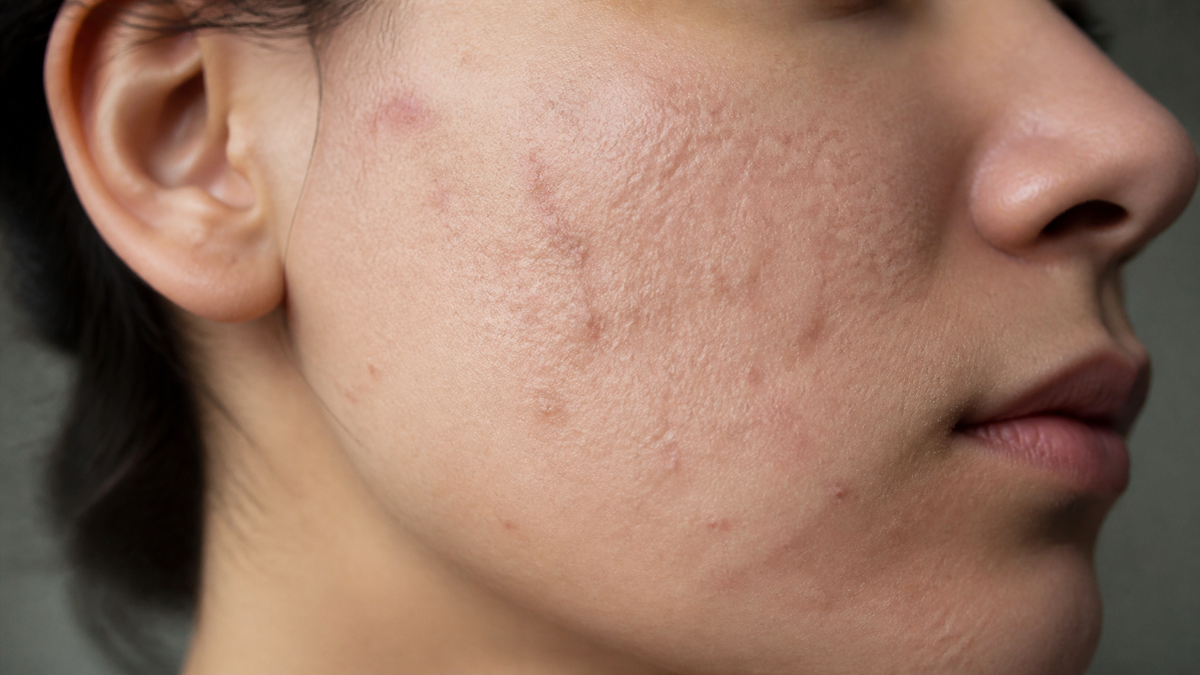
Atrophic Scars (Depressed Marks): The most common form of acne scarring occurs when the skin fails to produce enough collagen during the healing phase, leaving a noticeable depression. These include sharp, narrow ice-pick scars; angular boxcar scars; and rolling scars, which create an uneven, wavy texture. These structural changes are permanent; no topical cosmetic can restore lost collagen volume.
-
Hypertrophic and Keloid Scars (Raised Marks): Caused by the exact opposite issue—an overproduction of collagen that forms raised tissue above the skin’s surface. Keloid scars can spread beyond the boundaries of the original spot and are significantly more prevalent in darker skin tones.
-
Post-Inflammatory Hyperpigmentation (PIH): Technically not a scar, PIH is a flat patch of discolouration caused by skin pigment cells (melanocytes) overreacting to injury. Whilst PIH can fade, on deeper skin tones it often takes months or even years, particularly if exposed to sunlight without protection.
-
Textural and Pore Damage: Chronic inflammation gradually weakens the follicular walls and surrounding support structures. Skin that has weathered years of active acne often retains a coarse, enlarged appearance across the pores, even in areas without distinct scars.
What Actually Happens Beneath the Surface?
A spot begins simply enough: sebum and dead skin cells clog a pore. At this stage, it is merely a comedo—a blackhead or whitehead—and is entirely reversible.
The real damage starts when Cutibacterium acnes bacteria multiply inside the trapped pore, triggering an immune response. Inflammatory acne is essentially an internal battle. White blood cells swarm the follicle, deploying powerful enzymes and free radicals to destroy the bacteria.
Unfortunately, these enzymes cannot distinguish between bacterial invaders and healthy skin tissue. They break down collagen and elastin—the vital structural scaffolding that keeps skin firm and smooth. The longer and more intense the inflammation lasts, the greater the collateral damage. A deep, tender nodule lingering for three weeks inflicts vastly more structural harm than a superficial spot that resolves in four days.
Why Deeper Skin Tones Bear a Heavy Burden
In Fitzpatrick skin types IV to VI, melanocytes are exceptionally reactive to inflammatory triggers. An inflammatory event that leaves a faint, transient pink mark on fair skin can result in a dark, stubborn brown patch on deeper skin. Combined with a higher predisposition to keloid scarring, individuals with darker skin tones face a physical legacy that is often both more severe and more persistent.

This unequal impact carries a distinct social and psychological toll:
-
Extended Emotional Impact: Studies consistently link acne to anxiety, lowered self-esteem, and social withdrawal. Crucially, the psychological distress caused by residual marks frequently outlasts the active condition itself.
-
Clinical Nuance: Historical clinical standards were largely developed on lighter skin tones, meaning treatments do not always translate safely. Aggressive resurfacing procedures suitable for fair skin can trigger severe rebound hyperpigmentation on deeper skin tones, making a gentler, pigment-aware approach essential.
Common Traps That Accelerate Skin Damage
Two frequent missteps compound the damage caused by active acne:
1. Skipping Daily Sun Protection
Inflamed skin is exceptionally sensitive to ultraviolet radiation. Unprotected UV exposure actively aggravates inflammation and signals already overactive melanocytes to produce even more pigment, dramatically darkening post-inflammatory marks. Many people avoid daily sunscreen fearing it will clog their pores, leaving the primary cause of dark spots entirely unshielded.
2. Falling into the "Barrier Repair" Spiral
Frustrated by persistent spots, it is easy to fall into the trap of over-cleansing and layering multiple harsh exfoliants or alcohol-based toners. This strips the skin’s essential lipid barrier, causing dryness, stinging, and redness. Irritated skin becomes more inflamed, leading to further breakouts and darker marks—triggering a vicious cycle of over-treating and worsening damage.
An Evidence-Based Framework That Actually Works
Preventing long-term damage requires a focused, gentle regime designed to calm inflammation early while protecting the skin barrier.
       [ Gentle Daily Cleansing ]
                   │
                   ▼
  [ targeted Exfoliation & Active Care ]
   (Salicylic/Glycolic Acid + Evening Retinoid)
                   │
                   ▼
     [ Brightening & Daily Protection ]
     (Targeted Actives + Broad-Spectrum SPF)
A well-structured daily regime relies on core, compatible steps:
-
Gentle Cleansing: Maintaining barrier integrity is paramount. A balanced formula like REFORM Skincare Salicylic Acid Foaming Cleanser removes excess oil and congestion within the pore without stripping the skin's protective lipid layer.
-
Targeted Exfoliation: Use a single, well-formulated acid rather than overloading the skin. Salicylic acid works inside congested pores, whereas glycolic acid addresses surface texture.
-
Night-time Vitamin A: Retinoids remain the gold standard for clearing follicular blockages and accelerating cellular turnover. Integrating a treatment such as REFORM Skincare Retinol 1% Creme into your evening routine helps address both active breakouts and lingering dark marks over time.
-
Targeted Brightening & Protection: In the daytime, antioxidants like niacinamide, azelaic acid, or vitamin C help even out tone. Layering REFORM Skincare Vitamin C 20% Serum beneath a dedicated high-factor sunscreen—such as REFORM Skincare SPF 50+ Antioxidant Sunscreen—provides essential protection against UV-induced pigment darkening.
Knowing When to See a Professional
Topical skincare can prevent future damage and lighten surface discolouration, but no off-the-shelf cream can rebuild lost collagen once atrophic scarring has taken hold.
For established, structural scars, professional clinical treatments are required:
-
Subcision & Dermal Fillers: Effective for tethered or rolling scars.
-
CROSS (Chemical Reconstruction of Skin Scars): Targeted treatment for deep ice-pick scars.
-
Microneedling & Fractional Lasers: Help remodel collagen texture, provided they are calibrated safely for your specific skin tone.
If your breakouts are deep, painful, or leaving marks that do not fade after twelve weeks of consistent care, it is time to consult a doctor or dermatologist. Relying on an endless cycle of new cosmetic products or waiting "just another year" is an active choice—and one that carries a visible cost long after the spots themselves have cleared.
Disclaimer: This article is for general informational purposes only and does not constitute individual medical advice. If you are experiencing moderate to severe acne or are concerned about scarring, please consult a qualified healthcare professional or dermatologist for personalized advice and prescription options.