Article: Rethinking the Doctor's Appointment: Why Virtual Care Is Changing Healthcare for the Better
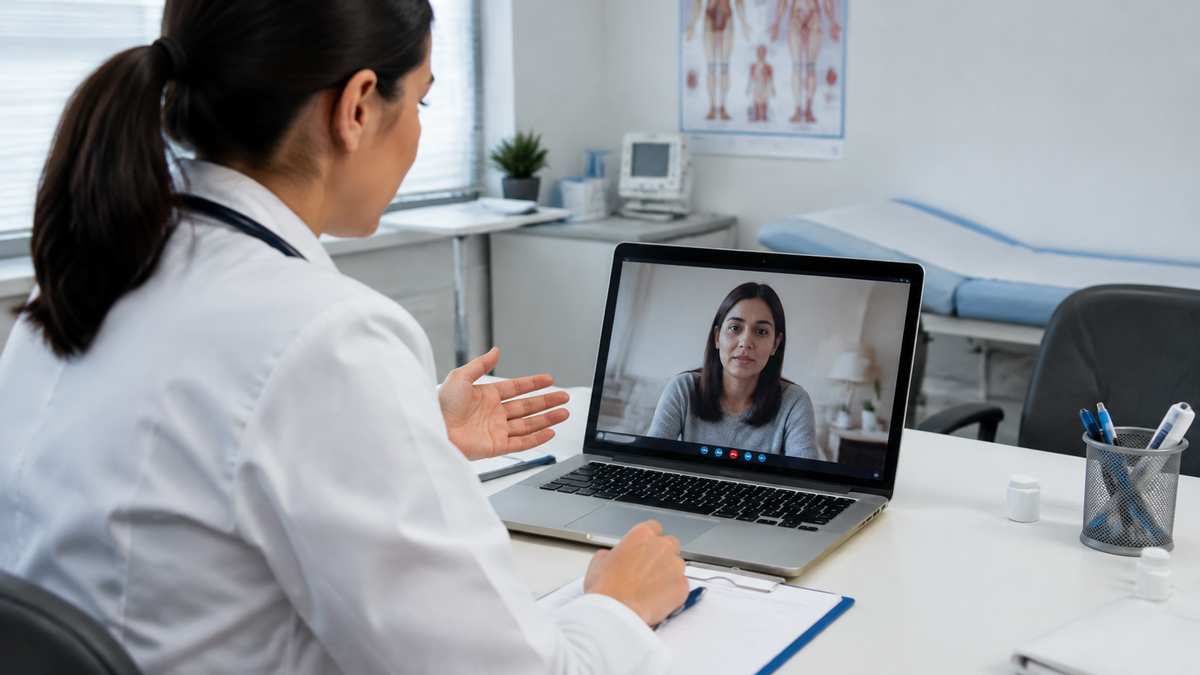
Rethinking the Doctor's Appointment: Why Virtual Care Is Changing Healthcare for the Better
For generations, seeking medical advice meant one predictable routine: travelling to a surgery, sitting in a waiting room,and giving up an hour of your day for a conversation that might last barely ten minutes. Today, that model is evolving.Virtual consultations—conducted via video link, phone, or secure messaging—have transformed from a temporary lockdown measure into a mainstream choice. For many patients, it is simply the most practical way to manage their health.
Remote care is neither a magic cure nor a passing trend. It is a targeted tool designed for specific health needs, and understanding when to use it allows you to get the absolute most out of it.
1. Stripping Away the Logistics
The primary advantage of virtual care comes down to access and convenience.
-
Breaking Down Geographical Barriers: For patients living in rural communities far from specialists, a video appointment removes the distance instantly.
-
Easing the Burden on Patients and Carers: Those managing chronic pain or mobility issues no longer have to burn precious energy travelling. Similarly, parents and carers avoid the headache of arranging cover just to attend a brief check-in.
-
Reclaiming Lost Time: An in-person visit involves a commute, parking, waiting room delays, and the return journey. Virtual appointments eliminate this friction, ensuring that the appointment focuses entirely on clinical care rather than travel logistics.
2. A Shift in Patient-Doctor Dynamics
Beyond convenience, changing the environment often changes the nature of the consultation itself.
-
Greater Openness and Candour: Many patients report feeling far more relaxed in their own living rooms than in a formal clinical room. Without the anxiety of the setting, people are often more willing to speak openly about sensitive issues, such as alcohol consumption, low mood, or embarrassing symptoms.
-
Focussed Conversations: Because time slots on video platforms are precisely structured, consultations tend to suffer fewer physical interruptions or delays, leading to an encounter that feels surprisingly thorough.
3. What the Evidence Tells Us
Research demonstrates that virtual appointments deliver clinical outcomes comparable to face-to-face care across a wide range of fields.
| Area of Care | How Virtual Consultations Benefit Patients |
| Mental Health | Video-based talking therapies show success rates on par with in-person sessions while making it much easier for people to seek help. |
| Chronic Conditions | Stable conditions like hypertension or diabetes can be safely monitored remotely using home devices (e.g., blood pressure cuffs). |
| Follow-ups & Reviews | Post-surgery check-ins, medication reviews, and test result discussions rarely require physical contact and suit remote calls ideally. |
Where Virtual Care Falls Short
Screen-based consultations naturally have boundaries. They cannot replace physical examinations—such as chest auscultation, abdominal palpation, or close inspection of skin lesions—nor are they suitable for acute emergency symptoms. Furthermore, individuals with unreliable broadband or lower digital literacy risk being left behind if systems rely too heavily on smartphone technology.
4. Better Ongoing Management & Specialist Access
-
Continuous Tracking: Long-term illness is managed in the days and weeks between appointments. Secure messaging allows patients to ask quick questions about medication side effects without waiting weeks for an appointment. Connected health devices allow clinicians to track trends over time rather than relying on a single snapshot reading.
-
Access to Niche Expertise: Virtual appointments make seeking second opinions or consulting distant specialists realistic. Patients with rare conditions can speak to experts hundreds of miles away without incurring hotel costs,long journeys, or taking days off work.
5. The Ideal Solution: A Blended Approach
Virtual consultations work best not as a total replacement for traditional medicine, but as part of a balanced, hybrid model.
How to split your care:
6. How to Prepare for a Successful Virtual Consultation
To ensure your virtual appointment runs smoothly, a small amount of preparation goes a long way:
-
Check Your Tech: Test your camera, microphone, and internet connection beforehand.
-
Optimise Your Environment: Choose a private, quiet room where you will not be overheard. Ensure the lighting is in front of you rather than behind you so the clinician can see you clearly.
-
Write Things Down: Keep a list of your symptoms, questions, current medications, and preferred pharmacy next to you so you do not forget key details.
-
Know Your Provider's Rules: Check whether prescriptions can be sent to a local pharmacy electronically, how consultation notes are recorded, and what insurance or NHS options apply.
-
Respect Clinical Advice: If your clinician determines during the call that you need to be physically examined,follow their instruction promptly.
The Bottom Line
Virtual appointments do not replace traditional medicine; they redistribute it. Moving purely conversational care out of clinics frees up physical space and clinical time for patients who genuinely require hands-on treatment.
If you have been delaying a routine follow-up or a routine conversation with your GP, consider booking a virtual appointment. Starting with something low-risk—like a medication review or therapy session—is an excellent way to see how well the format works for you.
Disclaimer: This article provides general information only and does not constitute medical advice. If you experience severe, acute, or emergency symptoms, please seek immediate in-person care or contact emergency medical services.