Over-Injection Reversal: The Clinical Protocol for Safely Dissolving Misplaced Dermal Filler
One of the genuine reassurances we give patients considering hyaluronic acid filler at our London clinic is that it's reversible. That's true, and it matters. But it's worth being clear from the outset: needing to actually reverse a filler is rare. The value of reversibility isn't that patients should expect to need it — it's that every properly trained, genuinely safe injector has the means and the readiness to act immediately if the rare situation arises. That readiness, not the frequency of use, is what separates a safe practice from an unsafe one.
What Hyaluronidase Actually Does
Hyaluronidase is an enzyme that breaks down hyaluronic acid. Because modern dermal fillers are built from cross-linked hyaluronic acid, hyaluronidase can target and dissolve that filler specifically, breaking the cross-links and allowing the body to clear the resulting fragments naturally. This is precisely why HA filler has such a strong safety profile compared to non-reversible alternatives like Sculptra or fat transfer — there is a genuine antidote available, not just a hope that time will resolve a problem.
Why Every Safe Injector Keeps It on Hand
At our clinic, hyaluronidase is kept refrigerated and ready in every treatment room where filler is performed, and this should be true of any practice offering HA filler treatment, regardless of who is injecting. This isn't precautionary theatre; it reflects a basic standard of care. If a rare complication does arise, particularly one involving vascular compromise, minutes matter, and a practice without hyaluronidase immediately available is not equipped to manage the treatment it's offering. Any injector who cannot reverse their own filler in an emergency should not be injecting filler in the first place.
The Real Emergency: Suspected Vascular Compromise
The scenario that genuinely demands urgent reversal is suspected vascular compromise — where filler has been inadvertently injected into, or is compressing, a blood vessel, threatening the blood supply to the surrounding tissue or, in rare and more serious cases, to the eye. Signs include disproportionate pain, a change in skin colour, mottling, or blanching in the treated area, sometimes appearing during the appointment itself or shortly afterwards. This is the one situation where reversal is not a discretionary decision but an immediate necessity, and it's precisely the scenario every injector needs to be trained and prepared to recognise and act on without delay.
Occasional Cosmetic Reversal

Vascular emergencies aside, there are occasional situations where filler is reversed for cosmetic rather than urgent medical reasons — for example, visibly uneven lips following treatment, or persistent swelling or a bluish discoloration beneath the eyes after tear trough filler, sometimes caused by the Tyndall effect when filler sits too superficially. These situations aren't emergencies, but they do warrant a considered decision about whether to dissolve some or all of the product and reassess, rather than leaving a patient with a result they're unhappy with indefinitely.
The Clinical Protocol: Dilution, Dosing and Technique
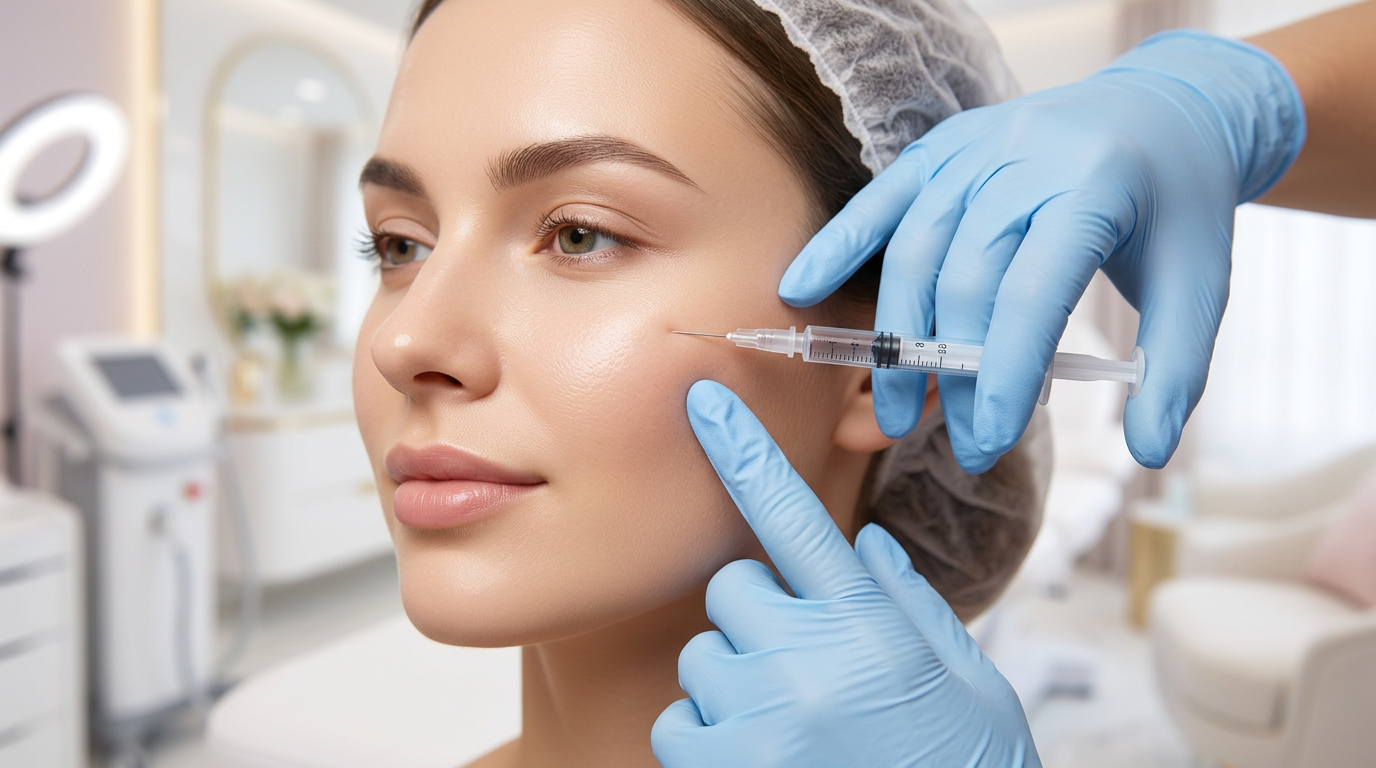
Reversal is not a case of simply injecting hyaluronidase into the area and hoping for the best; there are genuinely strict protocols governing how it's used. The enzyme is typically diluted with saline to a specific concentration appropriate to the area and the amount of filler believed to be present, since using too much in a small, delicate area is its own risk. Dosing is calculated based on the location, the suspected volume of filler involved, and whether this is an urgent vascular situation, which calls for a more assertive, immediate approach, or a considered cosmetic correction, which allows a more measured, staged process, often starting conservatively and reassessing rather than dissolving everything in one pass. Careful injection technique matters just as much as the dose itself, since the goal is to target the misplaced or excess filler precisely, without unnecessarily affecting healthy surrounding tissue or filler that is sitting exactly where it should be.
In practice, in the very few instances where reversal has genuinely been needed in our own clinic, the process has been straightforward once these protocols are followed correctly. That straightforwardness isn't luck — it's the direct result of having a clear, practised protocol, appropriate hyaluronidase immediately available, and a practitioner who knows exactly how and when to use it.
Why We Only Reverse Filler We Placed Ourselves
We want to be upfront about one important limitation: we will only ever reverse filler that was injected in our own clinic. This isn't a reflection of unwillingness to help — it's a genuine safety limitation. Reversing filler safely depends on knowing, or being able to reasonably establish, what product was used, roughly how much, and where it was placed. Without that information, attempting to reverse filler placed by another practice introduces real uncertainty into an already precise process. If you've had filler done elsewhere and something isn't right, the practice that treated you needs to be able to look after you, and that's exactly why choosing an injector with the training, standards and facilities to manage their own complications matters so much before you ever have treatment in the first place, not after something has gone wrong.
The Reassurance Worth Taking From This
Filler reversal is rare, and it should stay that way — the goal of good injecting is to never need hyaluronidase at all. But the fact that it exists, that it works reliably when used correctly, and that every safe injector has it ready in the fridge, is genuinely one of the strongest safety arguments for choosing hyaluronic acid filler over non-reversible alternatives. If you're considering filler, or you have concerns about a previous treatment performed at our clinic, book a consultation with one of our medical practitioners. And if you had treatment elsewhere, the right first call is back to that same practice — they are the ones equipped with the information needed to look after you properly.