Best Acne Scar Treatments UK: Clinical Laser, Microneedling & Peels
Acne is a rite of passage most of us would rather forget — but the scars it leaves behind have a way of lingering long after the breakouts are gone. Whether they're shallow discolorations or deep, pitted marks, acne scars can chip away at confidence and make even clear skin feel like an unfinished story. The good news? Modern dermatology has come a long way. Today's clinical treatments can dramatically reduce — and in some cases nearly erase — even the most stubborn acne scars.
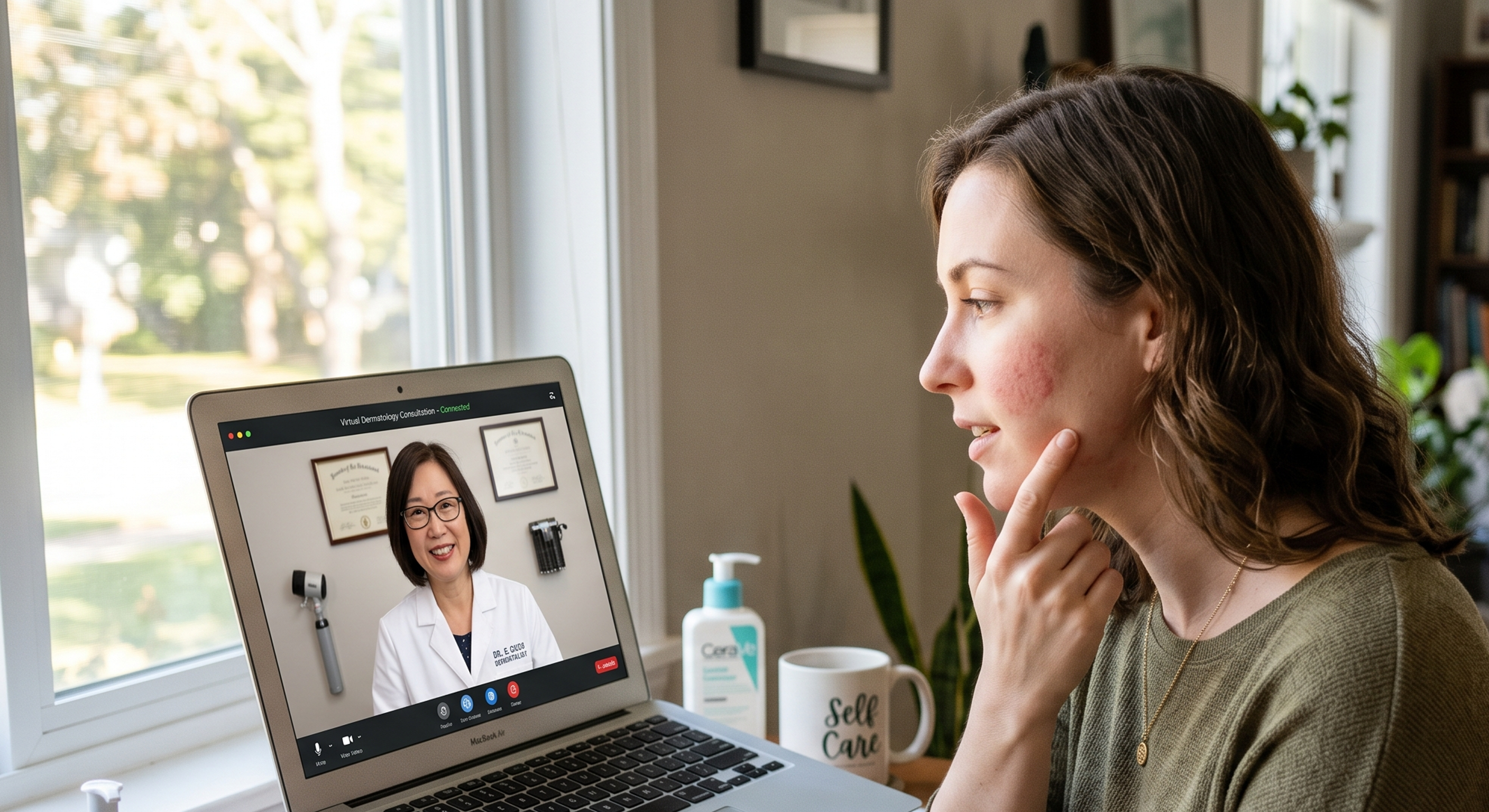
If you've tried every serum and home remedy with little to show for it, it may be time to explore what a dermatologist's clinic can actually do. Here's a deep dive into the most effective clinical treatments available in the UK, how they work, and what to expect from each one.
Understanding Acne Scars: Why They're So Stubborn
Before diving into treatments, it helps to understand why acne scars are so persistent. When a breakout penetrates deeply into the skin, it damages the tissue beneath. As the skin heals, it produces collagen — but not always in the right amount. Too little collagen creates depressed (atrophic) scars like ice pick, boxcar, and rolling scars. Too much creates raised (hypertrophic or keloid) scars.
Because scars involve structural changes to the skin's deeper layers, topical creams can only do so much. That's where clinical interventions come in: they work beneath the surface, triggering the skin's own repair mechanisms or physically restructuring damaged tissue.
1. Laser Resurfacing
Best for: Shallow to moderate atrophic scars, uneven texture, post-inflammatory hyperpigmentation (PIH)
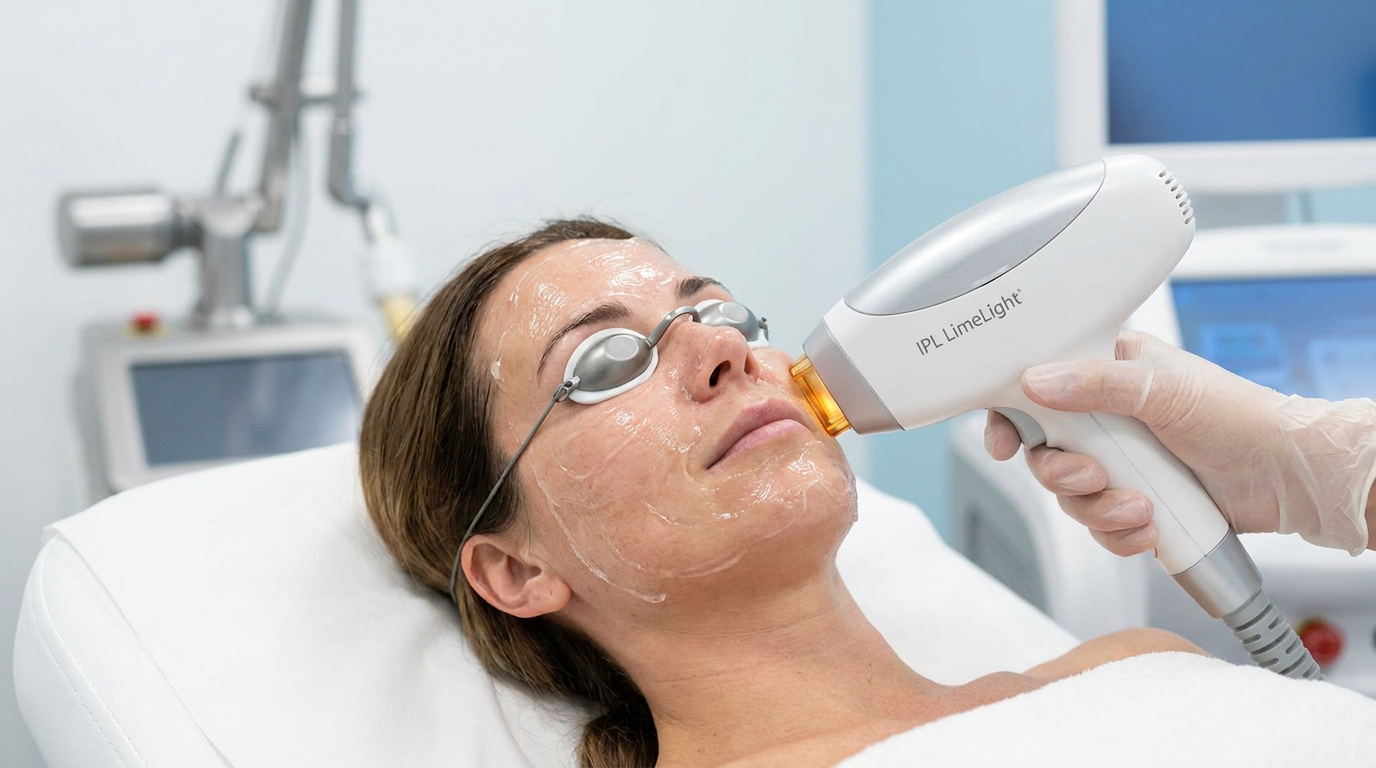
Laser resurfacing is one of the most well-studied and effective treatments for acne scars. There are two main categories:
-
Ablative lasers (such as CO₂ and Erbium:YAG) remove thin layers of skin, prompting the body to generate fresh, smoother tissue as it heals. These are powerful but come with more downtime — expect redness and peeling for one to two weeks.
-
Non-ablative lasers (such as Nd:YAG and pulsed-dye lasers) heat the underlying skin tissue without destroying the surface, stimulating collagen production with less recovery time.
Fractional laser technology — available in both ablative and non-ablative forms — has been a game-changer. Rather than treating the entire surface, fractional lasers create thousands of microscopic treatment zones, leaving surrounding skin intact. This speeds up healing while still delivering impressive results. Most patients see noticeable improvement after three to five sessions spaced four to six weeks apart.
What to know: Laser treatments may not be ideal for darker skin tones due to the risk of hyperpigmentation. A consultant dermatologist can recommend the right laser type and settings based on your skin tone and scar type.
2. Microneedling (Collagen Induction Therapy)

Best for: Rolling scars, mild to moderate atrophic scars, overall skin texture improvement
Microneedling uses a device fitted with fine, sterile needles to create controlled micro-injuries in the skin. These tiny punctures trigger the body's wound-healing response, boosting collagen and elastin production over time.
The treatment is relatively gentle, with minimal downtime — most people experience redness similar to a mild sunburn for a day or two. A series of three to six sessions, spaced about four weeks apart, typically yields the best results.
Microneedling with radiofrequency (RF microneedling) takes this a step further. Devices like Morpheus8 and Potenza deliver radiofrequency energy through the needles, heating deeper layers of the skin for enhanced collagen remodelling. RF microneedling is particularly effective for deeper scars and is generally safe for a wider range of skin tones compared to ablative lasers.
3. Chemical Peels
Best for: Superficial scars, post-inflammatory hyperpigmentation, mild textural irregularities
Chemical peels involve applying an acid solution to the skin, which exfoliates damaged outer layers and encourages cell turnover. They come in three strengths:
-
Superficial peels (glycolic acid, salicylic acid) target the outermost layer and are best for mild discoloration.
-
Medium-depth peels (trichloroacetic acid, or TCA) penetrate deeper and can improve the appearance of shallow scars.
-
Deep peels (phenol-based) offer the most dramatic results but carry higher risk and longer recovery.
TCA CROSS (Chemical Reconstruction of Skin Scars) is a specialised technique where high-concentration TCA is applied directly into individual ice pick scars using a fine applicator. This targeted approach triggers collagen production from the bottom of the scar upward, gradually raising the depressed area to meet the surrounding skin. Multiple sessions are usually needed, but results can be striking for narrow, deep scars that don't respond well to other treatments.
4. Dermal Fillers
Best for: Deep rolling or boxcar scars, volume loss
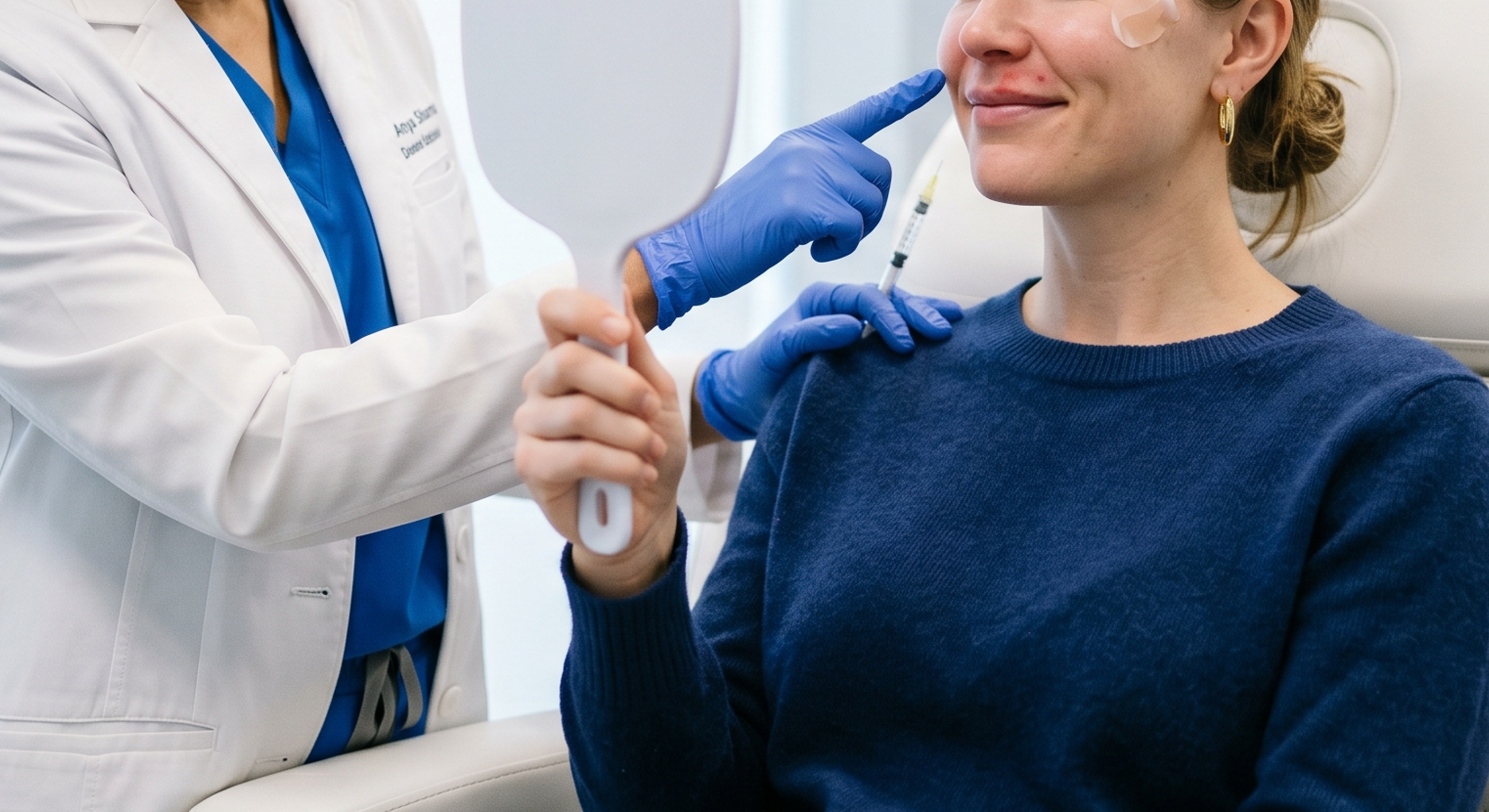
Sometimes the fastest way to improve the look of a scar is to physically fill it in. Injectable dermal fillers — most commonly hyaluronic acid-based products like Juvederm, Restylane, or Teosyal — can be placed directly beneath depressed scars to raise them to the level of surrounding skin.
Results are immediate and can last six months to over a year, depending on the product used. Some dermatologists also use poly-L-lactic acid (Sculptra), which works more gradually by stimulating the body's own collagen production for longer-lasting structural improvement.
Fillers are often used in combination with resurfacing treatments for a more comprehensive result. They're not a permanent fix, but they offer a meaningful improvement with virtually no downtime.
5. Subcision
Best for: Deep rolling scars, tethered scars
Subcision is a minor surgical procedure in which a needle or small blade is inserted beneath a depressed scar to break the fibrous bands pulling the skin downward. Once those bands are released, the scar rises naturally, and the minor wound-healing process generates new collagen to support the correction.
It's particularly effective for rolling scars — the broad, wave-like depressions that create a shadowed, uneven appearance. Subcision is frequently combined with microneedling, fillers, or laser treatments for a layered approach that addresses both the tethering and the surface texture.
Mild bruising and swelling are common after the procedure and typically resolve within a week. Two to three sessions may be needed for deeper scars.
6. Platelet-Rich Plasma (PRP) Therapy
Best for: Enhancing results of microneedling or laser treatments, mild to moderate scarring
PRP therapy uses the patient's own blood, which is processed in a centrifuge to concentrate the platelets and growth factors. This concentrated plasma is then applied to the skin — often immediately after microneedling (a combination popularly known as the 'vampire facial') — to accelerate healing and boost collagen synthesis.
While PRP alone isn't typically powerful enough to treat deep scars, it's an excellent adjunctive therapy. Studies suggest that microneedling combined with PRP produces better outcomes than microneedling alone, particularly for atrophic acne scars. It's a natural option with minimal risk of allergic reaction since the material comes from your own body.
7. Punch Excision and Grafting
Best for: Deep ice pick scars that don't respond to other treatments
For the deepest, most narrow scars, a dermatologist may recommend punch excision — a minor surgical technique where the scar is literally cut out using a small, circular tool, and the wound is closed with fine sutures or skin adhesive. In some cases, a tiny skin graft taken from behind the ear is placed into the excised area.
This is typically reserved for scars that are too deep and narrow for lasers or microneedling to reach effectively. The resulting fine-line scar is usually far less noticeable than the original ice pick scar and can be further refined with laser resurfacing down the line.
The Power of Combination Therapy
Here's what experienced dermatologists will tell you: no single treatment works best for every scar. The most impressive outcomes almost always come from combining multiple modalities — for example, subcision to release tethered scars, followed by RF microneedling to rebuild collagen, with TCA CROSS for remaining ice pick scars.
A skilled clinician will assess your specific scar types, skin tone, and goals to design a tailored treatment plan. This multi-pronged approach addresses scarring at every level — structure, texture, and colour — for the most natural-looking results.
What to Keep in Mind
-
Patience is essential. Collagen remodelling takes time. Most treatments show full results three to six months after the final session.
-
Sun protection is non-negotiable. UV exposure can darken healing scars and undermine your results. Daily broad-spectrum SPF 30 or higher (such as La Roche-Posay Anthelios or Altruist) is an absolute must, even in the overcast UK winter.
-
Consult a qualified professional. Scar treatment is nuanced. The wrong treatment on the wrong scar type — or the wrong skin tone — can make things worse. Always look for a Consultant Dermatologist registered with the General Medical Council (GMC) and on the Specialist Register.
-
Set realistic expectations. Clinical treatments can reduce the appearance of acne scars by 50–80%, but complete erasure is rarely possible. The goal is significant improvement, not perfection.
Final Thoughts
Stubborn acne scars don't have to be permanent reminders of past breakouts. With today's range of clinical treatments — from fractional lasers and RF microneedling to subcision and targeted chemical peels — there are real, evidence-backed options for nearly every scar type and skin tone. The journey takes time, commitment, and professional guidance, but the results can be genuinely transformative.
If acne scars have been holding you back, a conversation with a qualified dermatologist is the best first step you can take. Your skin has already done the hard work of healing once — now it's about giving it the right tools to finish the job.