Your Post-Vein Treatment Recovery: Timeline, Care Tips, and Results
Vein treatment can be a significant step towards better comfort, improved circulation, and greater confidence in the appearance of your legs. Whether you have had treatment for varicose veins, thread veins, spider veins, or another venous condition, knowing what to expect afterwards can make recovery feel far less daunting.
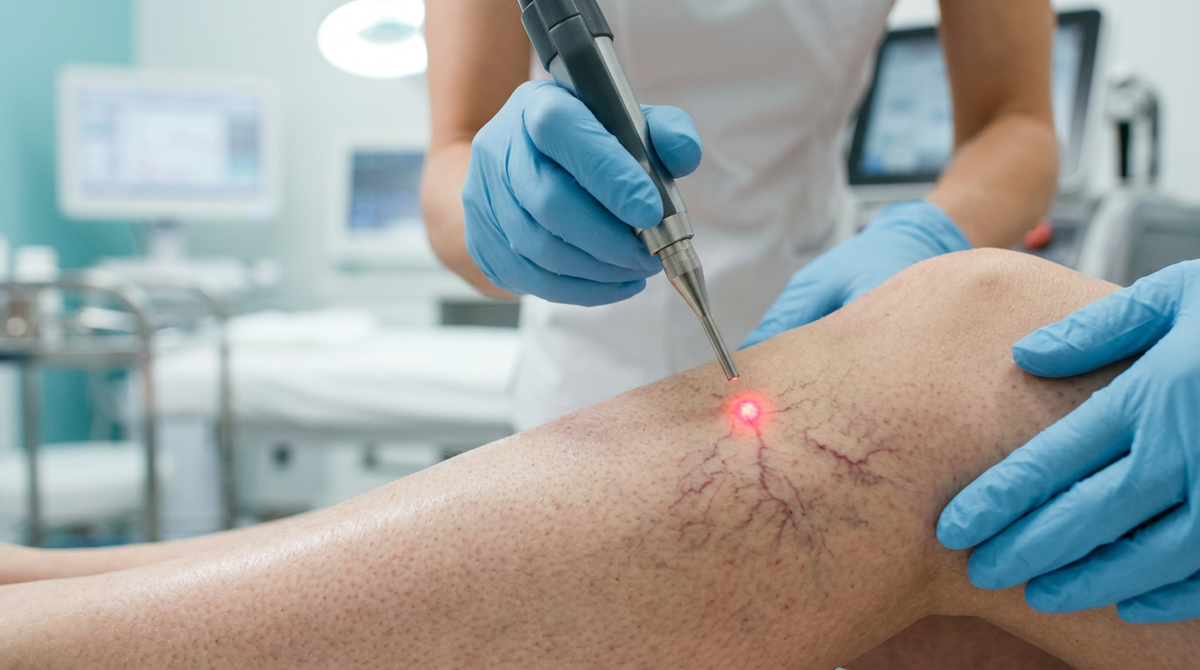
Modern vein treatments are often minimally invasive and usually involve less downtime than traditional surgery. Procedures such as endovenous laser treatment, radiofrequency ablation, ultrasound-guided foam sclerotherapy, microsclerotherapy, and medical adhesive closure are commonly performed as outpatient treatments. Many people can walk shortly after their appointment and return to normal daily activities relatively quickly.
Even so, recovery still matters. The way you care for your legs in the days and weeks following treatment can influence comfort, healing, and your final results. This guide explains a typical post-vein treatment recovery timeline, practical care tips, and the results you may expect as your body heals.
The First Few Hours After Treatment
Immediately after your vein treatment, your clinician will usually check that you are comfortable and able to walk safely. In many cases, you will be encouraged to walk for a short period before leaving the clinic. Gentle movement helps support blood flow and may reduce the risk of complications.
You may have a compression stocking, dressing, or bandage applied to the treated leg. This helps control swelling, supports the treated veins, and encourages healthy circulation. If local anaesthetic has been used, the area may feel numb for a few hours. Mild aching, tightness, or tenderness is also common once the anaesthetic begins to wear off.
It is usually best to arrange for someone to take you home, especially if you have had sedation or feel light-headed. Some people are able to drive after certain vein treatments, but you should always follow the advice given by your clinic.
During the first day, avoid strenuous activity, hot baths, saunas, and long periods of standing still. A short walk is usually encouraged, but intense exercise is not. Keep the treated area clean and dry if you have dressings in place, and do not remove stockings or bandages unless your clinician has told you to do so.
The First 24 to 48 Hours
The first couple of days are often when you become most aware of normal post-treatment sensations. Your leg may feel bruised, firm, slightly swollen, or tender along the path of the treated vein. These symptoms are usually part of the healing process and tend to settle gradually.
Compression is commonly recommended during this stage. Some clinics advise wearing compression stockings continuously for the first day or two, while others provide different instructions depending on the type of treatment. Follow your personalised guidance carefully, as compression routines can vary.
Walking is one of the most helpful things you can do. Short, regular walks encourage circulation and reduce stiffness. Try not to sit or stand in one position for too long. If you work at a desk, get up frequently and move around for a few minutes.
You may be advised to take simple pain relief if needed. Avoid taking anti-inflammatory medicines such as ibuprofen unless your clinician has said they are suitable for you, as recommendations can differ depending on the procedure and your medical history.
Some bruising and mild bleeding from tiny puncture sites may occur. This is usually minor. However, if bleeding is persistent, swelling is sudden or severe, or pain feels intense rather than manageable, contact your clinic for advice.
Days 3 to 7: Settling Into Recovery
By the end of the first week, many people feel well enough to return to most normal routines. Office work, light household tasks, and gentle walking are usually manageable. If your job involves heavy lifting, prolonged standing, or vigorous physical activity, you may need a little more time or modified duties.

Bruising may become more visible during this stage. It can look worse before it looks better, changing colour from purple or blue to green, yellow, or brown as it fades. Treated veins may also feel like firm cords under the skin. This firmness can be surprising, but it is often a sign that the treated vein is closing down and being absorbed by the body.
Avoid high-impact exercise unless your clinician has cleared you. Activities such as running, heavy gym sessions, intense cycling, or contact sports may need to wait. Gentle walking is still encouraged, and some people may be allowed to resume low-impact exercise sooner.
You should also continue avoiding heat exposure if advised. Hot baths, steam rooms, saunas, and sunbeds can increase swelling or irritation in the treated area. Choose showers instead, keeping the water warm rather than very hot.
If you had sclerotherapy, you may notice treated thread veins or spider veins looking darker at first. This does not necessarily mean treatment has failed. The body needs time to break down and clear the treated vessels, and early changes can be uneven.
Weeks 2 to 4: Visible Healing and Improved Comfort
During weeks two to four, discomfort often reduces significantly. Bruising usually fades, tenderness improves, and walking becomes more comfortable. If you had symptoms before treatment, such as heaviness, aching, throbbing, itching, or swelling, you may start to notice improvement.
Some people experience a pulling or tight sensation along the treated vein, especially when stretching the leg. This can happen as the vein seals and the surrounding tissue heals. It often settles with time and gentle movement.
Compression stockings may still be recommended during the day, depending on your treatment plan. Many patients find compression helpful for reducing swelling and supporting comfort, particularly if they are on their feet for long periods.
Follow-up appointments are often scheduled around this period or shortly afterwards. Your clinician may examine your legs, ask about symptoms, and sometimes perform an ultrasound scan to check that the treated vein has closed properly. If additional veins need treatment, your clinic may discuss the next stage of your plan.
Cosmetic results may still be developing. Larger varicose veins can take weeks or months to flatten and fade. Smaller surface veins treated with microsclerotherapy may also require time, and sometimes more than one session is needed to achieve the desired appearance.
Months 2 to 6: Final Results Take Shape
Vein treatment results are not always instant. While symptom relief may appear within days or weeks, the visible outcome often develops gradually. Over the next few months, treated veins are broken down naturally by the body. Bulging veins may become less prominent, skin discolouration may improve, and smaller veins may fade.
For some people, the results are dramatic. Legs feel lighter, swelling is reduced, and previously visible varicose veins are no longer obvious. For others, improvement is more gradual, especially if there were multiple problem veins, longstanding venous disease, or skin changes before treatment.
It is important to remember that vein treatment deals with the veins targeted during your procedure. It cannot prevent every future vein problem. Genetics, pregnancy, ageing, weight changes, hormonal influences, prolonged standing, and lifestyle factors can all contribute to new veins developing over time.
This is why follow-up care and healthy habits matter. Maintaining good circulation, staying active, and attending recommended reviews can help protect your results.
Practical Care Tips After Vein Treatment
Good aftercare is usually simple, but consistency makes a difference. The most important instruction is to follow the specific advice given by your treating clinician, as care can vary depending on the procedure.
In general, these tips may support a smoother recovery:
| Care Tip | Why It Matters |
| Walk regularly | Gentle movement supports circulation and reduces stiffness. |
| Wear compression as advised | Compression can help reduce swelling, bruising, and discomfort. |
| Avoid prolonged sitting or standing | Staying still for long periods may worsen swelling and heaviness. |
| Keep dressings clean and dry | This supports healing and reduces irritation around puncture sites. |
| Avoid heat exposure early on | Hot baths, saunas, and steam rooms may increase swelling. |
| Build exercise back gradually | Returning too quickly to intense activity can increase discomfort. |
| Attend follow-up appointments | Reviews help confirm healing and identify whether further treatment is needed. |
You may also find it helpful to elevate your legs when resting, especially if they feel swollen by the end of the day. Elevation should not replace walking, but it can make the legs feel more comfortable.
Hydration, balanced nutrition, and avoiding smoking can also support general healing. If you are overweight, gradual weight management may reduce pressure on the veins over time, although it should be approached realistically and safely.
What Is Normal After Vein Treatment?
Many post-treatment symptoms are expected and temporary. These may include mild bruising, tenderness, tightness, itching, swelling, small lumps, firmness along the treated vein, or temporary skin discolouration. The treated leg may feel different for several weeks as healing continues.
After sclerotherapy, brownish staining can sometimes appear where treated veins were located. In many cases this fades, but it can take months. Trapped blood can also create small tender lumps in treated veins; your clinician may drain these if appropriate.
Numbness, tingling, or altered skin sensation can occasionally occur after some procedures. This is often temporary, but you should mention it at follow-up, particularly if it persists or worsens.
When to Seek Medical Advice
Although serious complications are uncommon, it is important to know when to contact your clinic. Seek medical advice promptly if you experience severe or worsening pain, sudden significant swelling, heavy bleeding, increasing redness or warmth, discharge from a wound, fever, chest pain, shortness of breath, or calf pain that feels unusual or intense.
These symptoms do not automatically mean something serious has happened, but they should be assessed. It is always better to ask early rather than ignore a concern.
Looking After Your Long-Term Results
Once you have recovered, the focus shifts to maintaining healthy circulation. Regular walking, swimming, cycling, and strength-based movement can all support leg health. Try to avoid sitting or standing still for extended periods. If your work involves long hours on your feet, compression stockings may be useful, especially during travel or busy days.
Healthy habits will not change your genetics, but they can reduce strain on your veins. Keeping active, managing weight where appropriate, elevating your legs after long periods of standing, and taking breaks during long journeys may all help.
You should also keep an eye on recurring symptoms. If heaviness, aching, swelling, or new visible veins appear, an early assessment can help identify whether further treatment is needed.
Final Thoughts
Recovery after vein treatment is usually straightforward, especially when you understand the timeline. The first few days are often about managing tenderness, wearing compression, and walking regularly. Over the following weeks, bruising fades, treated veins begin to settle, and symptoms often improve. Over the next few months, your final results become clearer.
The key is patience. Veins do not disappear overnight, and cosmetic improvement often takes longer than symptom relief. With careful aftercare, realistic expectations, and proper follow-up, vein treatment can lead to lighter, more comfortable legs and a noticeable improvement in appearance.
Always follow the guidance provided by your own clinician, as your recovery plan should reflect the exact treatment you received and your individual health needs.