When to Start Anti-Wrinkle Injections: The Best Age for Injections
It's the question whispered in group chats, typed into search bars late at night, and debated over a cuppa with friends: when is the right time to start anti-wrinkle injections? Not "if" — because more people than ever are open to the idea — but when.
The short answer is that there's no single magic number. The longer, more useful answer requires a look at how skin ages, what anti-wrinkle injections actually do, and why the "best" age depends on your genetics, your lifestyle, and your goals. Let's unpack all of it.
Understanding How Wrinkles Form
Before deciding when to treat wrinkles, it helps to understand why they show up in the first place.
Your skin's structural integrity relies on two proteins: collagen, which provides firmness, and elastin, which allows skin to snap back into place. Starting in your mid-20s, your body produces roughly 1% less collagen per year. Elastin production slows around the same time. The result is skin that gradually becomes thinner, drier, and less resilient.
Wrinkles fall into two categories:
-
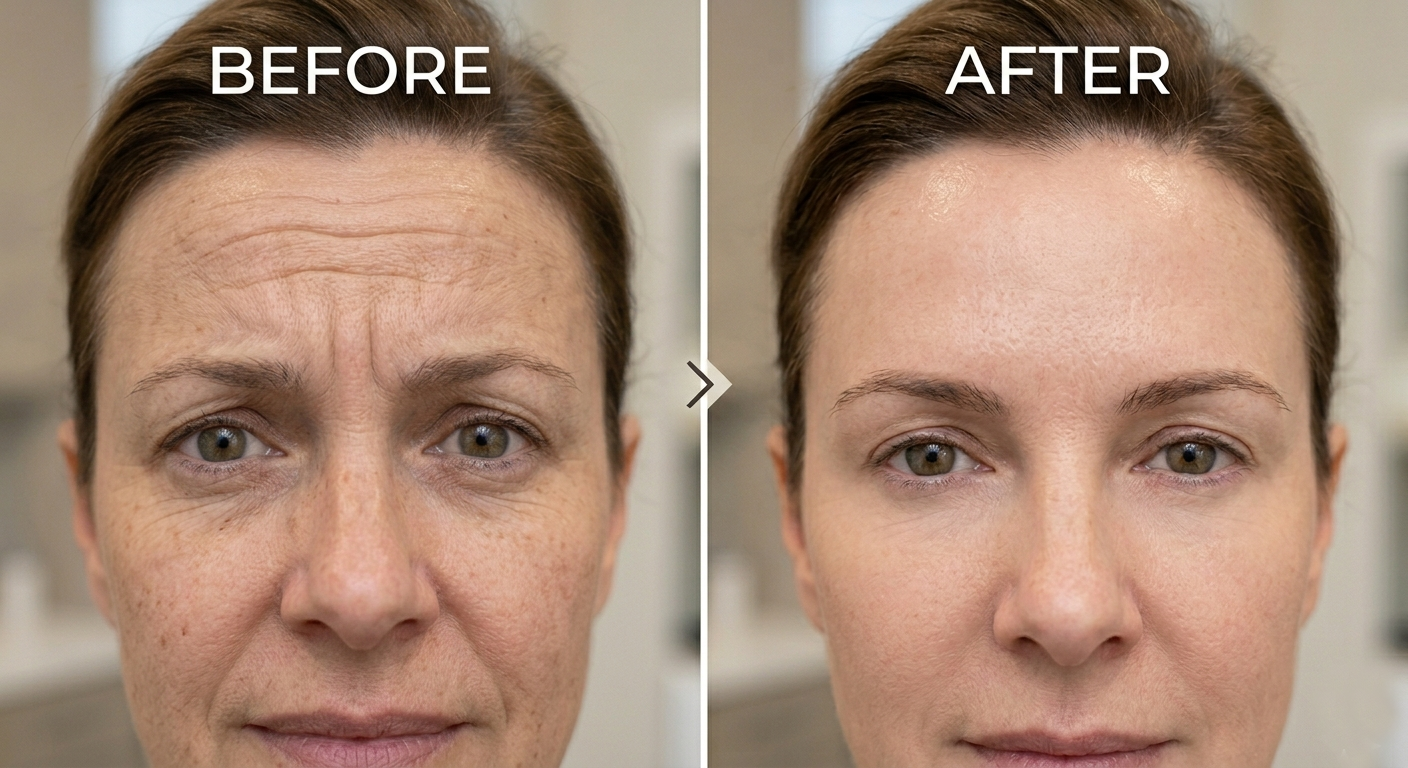
Dynamic wrinkles — lines that appear when you make facial expressions. Think of the creases on your forehead when you raise your eyebrows, the "11 lines" between your brows when you frown, or the crow's feet that fan out when you smile. These are caused by repeated muscle contractions beneath the skin.
-
Static wrinkles — lines that remain visible even when your face is completely relaxed. Over time, dynamic wrinkles can etch themselves into static ones as the skin loses its ability to bounce back.
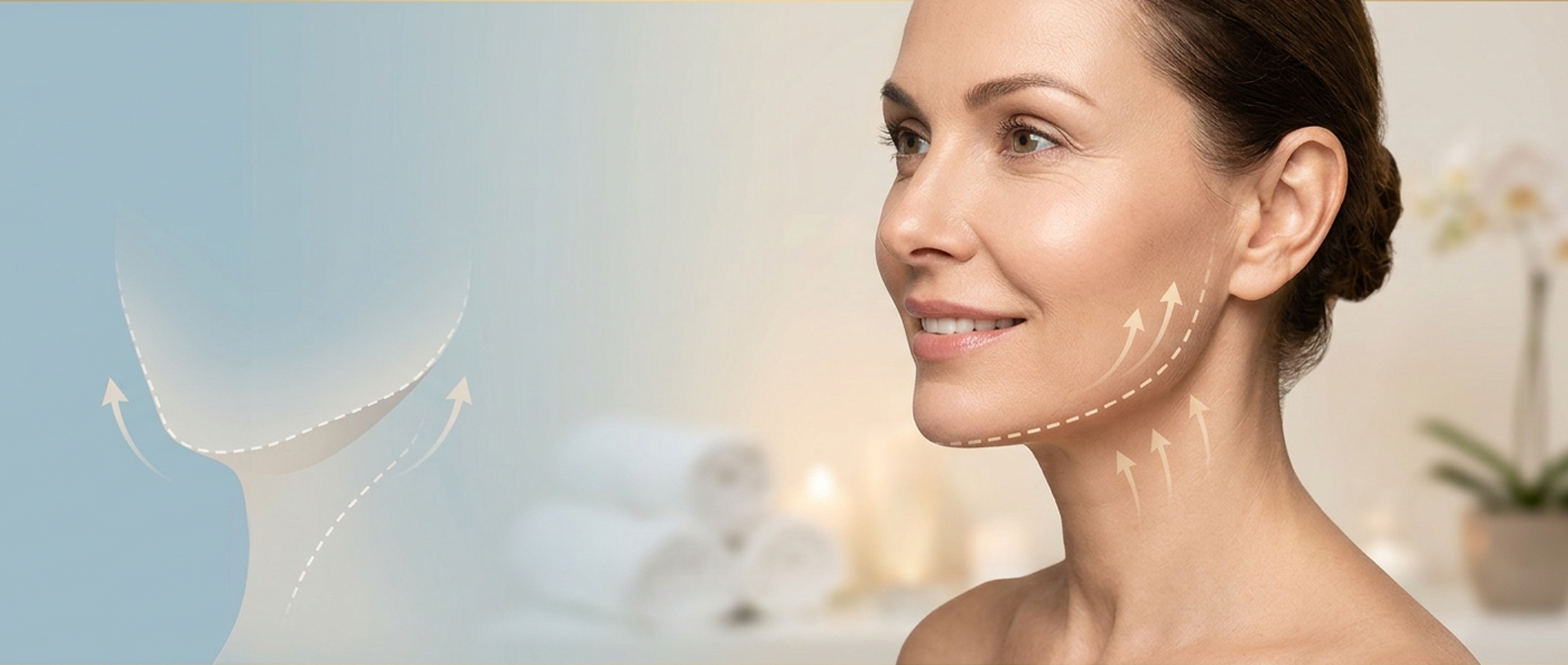
Anti-wrinkle injections — most commonly botulinum toxin type A products (often referred to by brand names like Botox, Bocouture, or Azzalure) — work by temporarily relaxing the muscles responsible for dynamic wrinkles. They don't fill lines (that's what dermal fillers do); they prevent the repetitive folding motion that deepens them.
The Case for Starting in Your Late 20s to Early 30s

Most dermatologists and aesthetic practitioners point to the late 20s to early 30s as the window when anti-wrinkle injections start making clinical sense for the average person. Here's why:
-
Dynamic lines are just becoming noticeable. At this stage, you might spot faint forehead lines in photos or catch crow's feet forming when you laugh. The wrinkles haven't set in permanently — they appear with movement and disappear at rest.
-
Prevention is easier than correction. Treating a muscle before it has carved a deep line into the skin means you need less product, fewer sessions, and often get more natural-looking results. Think of it like ironing a shirt while the crease is still light rather than waiting until it's deeply pressed in.
-
Collagen decline is well underway. By 28 or 30, you've already lost a measurable percentage of your skin's collagen. The structural support that once smoothed out expression lines is thinning, so those lines recover more slowly between expressions.
This "preventive" approach — sometimes called "baby Botox" or prejuvenation — has surged in popularity because it uses smaller doses to maintain a naturally expressive face while slowing the deepening of lines.
Could You Start Earlier?
Some people notice prominent dynamic wrinkles in their early-to-mid 20s, especially if they have very expressive faces, fair or thin skin, or a genetic predisposition to early wrinkling. In these cases, a consultation with a qualified practitioner can determine whether a small, targeted treatment makes sense.
However, most professionals advise against routine injections before noticeable lines have appeared. The reasoning is straightforward: if the muscle activity hasn't yet caused visible creasing, there's little clinical benefit to relaxing it. A solid skincare routine — sunscreen, retinoids, hydration — is a far better investment at that stage.
Please note: In the UK, it is illegal to administer anti-wrinkle injections or dermal fillers to anyone under the age of 18 for cosmetic reasons.
Starting too young can also set an unrealistic expectation of a permanently "frozen" or line-free face, which isn't the goal of responsible aesthetic medicine.
What About Starting in Your 40s, 50s, or Beyond?
There's a persistent myth that anti-wrinkle injections are only useful as a preventive tool and that once deep wrinkles have formed, it's "too late." That isn't true. Injections can still soften dynamic wrinkles at any age. What changes is the treatment plan:
-
In your 40s, a combination of anti-wrinkle injections and other treatments (like skin-resurfacing lasers or dermal fillers for volume loss) often produces the most balanced results.
-
In your 50s and 60s, the focus may shift towards a more comprehensive approach. Anti-wrinkle injections still relax the muscles, but static lines that have been etched into the skin over decades may also need collagen-stimulating treatments or fillers to address fully.
-
The doses and areas treated may differ. Older skin is thinner and has less underlying fat, so an experienced practitioner will adjust their technique to avoid an unnatural or heavy look.
The takeaway: there is no upper age limit. If dynamic wrinkles bother you and you're in good health, anti-wrinkle injections remain an option well into later life.
Factors That Matter More Than a Number
Age is just one variable. Several other factors influence when — and whether — anti-wrinkle injections make sense for you:
-
Genetics: If your parents developed deep forehead lines or crow's feet early, you may follow the same pattern. Conversely, some people are genetically blessed with thicker, oilier skin that wrinkles more slowly.
-
Sun exposure: Ultraviolet radiation is the single largest external accelerator of skin ageing. Even in the UK, where the weather is famously overcast, UV rays pierce through cloud cover year-round, causing cumulative damage that breaks down collagen.
-
Smoking and lifestyle habits: Smoking constricts blood vessels in the skin, starving it of oxygen and nutrients. Combined with the repetitive pursing motion of the lips, smokers often develop perioral lines (smoker's lines) and crow's feet earlier than non-smokers.
-
Skin type and tone: Fairer, thinner skin tends to show wrinkles sooner. Darker and oilier skin types often retain a smoother appearance longer thanks to higher melanin levels and natural moisture.
-
Facial expressiveness: If you're someone who raises your eyebrows constantly, squints, or furrows your brow when concentrating, your facial muscles are doing more "folding work" — and wrinkles may show up earlier.
What a Good First Consultation Looks Like
In the UK, botulinum toxin is a prescription-only medication. This means you must have a face-to-face consultation with a qualified prescribing practitioner (such as a doctor, dentist, or nurse prescriber) before anyone can administer the treatment.
Here's what a responsible first visit should include:
-
A full facial assessment at rest and during movement: The practitioner should watch you smile, frown, and raise your eyebrows to see exactly how your muscles interact.
-
An honest conversation about your goals: Do you want to look "refreshed" or "line-free"? The answer shapes the dosage and areas treated.
-
A discussion of realistic expectations: Anti-wrinkle injections are temporary, typically lasting 3 to 6 months. You'll need maintenance sessions, and results vary by individual.
-
A review of your medical history: Certain conditions, allergies, and medications can affect your eligibility for treatment.
Be cautious of practitioners who push high doses, suggest treating areas you didn't ask about, or skip the formal, independent prescribing consultation entirely. Look for professionals registered with reputable bodies like the GMC (General Medical Council), NMC (Nursing and Midwifery Council), or GDC (General Dental Council), and ideally registered with Save Face or the Joint Council for Cosmetic Practitioners (JCCP).
The Skincare Foundation You Shouldn't Skip
Regardless of when — or whether — you decide to get anti-wrinkle injections, certain habits are non-negotiable for healthy skin ageing:
-
Broad-spectrum SPF 30+ sunscreen, every single day: Yes, even in the middle of a British winter. This is the most evidence-backed anti-ageing measure in existence.
-
Retinoids (vitamin A derivatives): Prescription tretinoin or over-the-counter retinol stimulates collagen production and speeds cell turnover.
-
Antioxidant serums (like vitamin C or niacinamide) to neutralize environmental and pollution damage.
-
Adequate hydration and moisture barrier support with ingredients like hyaluronic acid and ceramides.
These habits won't replace what injections can do for dynamic wrinkles, but they protect and strengthen the skin you're working with — making any cosmetic treatment look better and last longer.
The Bottom Line
There's no universally "correct" age to start anti-wrinkle injections. For most people, the late 20s to early 30s represent a practical starting point — early enough to prevent deep lines from setting in, late enough that there's a visible clinical reason to treat.
But the real answer is deeply personal: it depends on your skin, your genetics, your lifestyle, and what bothers you when you look in the mirror. The best thing you can do right now, at any age, is protect your skin from UV rays, invest in evidence-based skincare, and — if you're curious about injections — consult a licensed, medical professional who treats your face as an individual, not a template.
Ageing is inevitable. How you choose to navigate it is entirely up to you.