What is Melasma? Causes, Triggers, and How to Treat It
Melasma is one of the most common — yet widely misunderstood — skin conditions affecting adults worldwide. If you've ever noticed dark, patchy discolouration on your cheeks, forehead, upper lip, or chin that seemingly appeared out of nowhere, there's a good chance melasma is the culprit. While it poses no medical danger, the emotional and psychological toll it can take is very real. The good news? With the right knowledge, triggers can be managed and effective treatments are available.
In this guide, we break down exactly what melasma is, what causes it, what makes it worse, and — most importantly — how to treat it.
What Is Melasma?
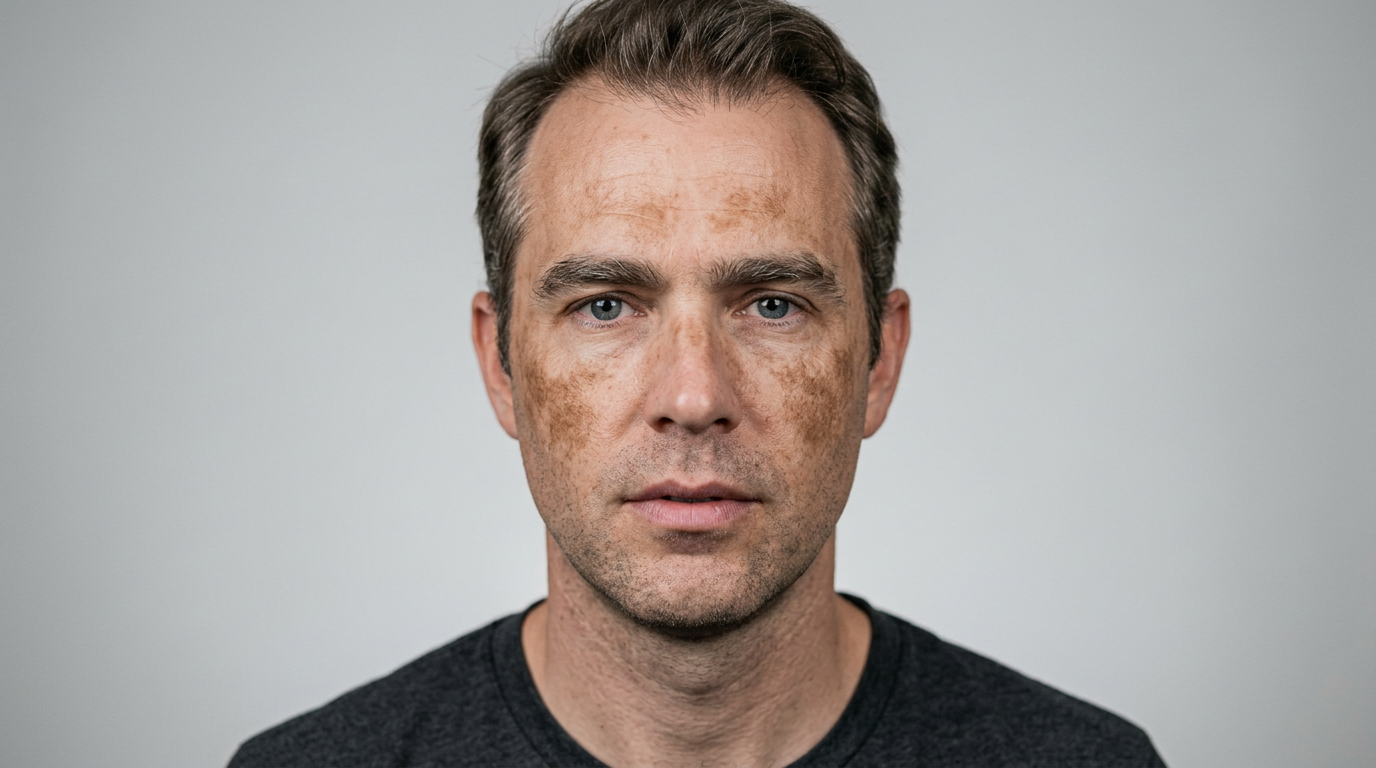
Melasma is a chronic skin condition characterised by symmetrical, brownish or greyish-brown patches of hyperpigmentation, most often on the face. It occurs when melanocytes — the cells responsible for producing melanin (skin pigment) — become overactive and deposit excess pigment into the skin.

The condition typically appears on sun-exposed areas, particularly the:
-
Cheeks
-
Forehead
-
Bridge of the nose
-
Upper lip
-
Chin
Less commonly, it can appear on the forearms and neck. Melasma is sometimes referred to as "the mask of pregnancy" because of its strong association with hormonal changes during pregnancy, but it affects men and non-pregnant women as well.
The Three Main Types of Melasma
Melasma is classified by the depth of pigment in the skin:
-
Epidermal melasma: Pigment sits in the upper layer of the skin and tends to appear brown with well-defined borders. This type generally responds best to treatment.
-
Dermal melasma: Pigment is deposited deeper, in the dermis, and appears more blue-grey. It is harder to treat.
-
Mixed melasma: A combination of both epidermal and dermal pigment. This is the most common form.
What Causes Melasma?
Melasma is a multifactorial condition, meaning it rarely has a single cause. Instead, a combination of genetic predisposition, hormonal influences, and environmental factors come together to trigger it.
1. Genetics
If melasma runs in your family, you are significantly more likely to develop it yourself. Studies estimate that over 40% of melasma sufferers have a family member with the condition. Certain ethnic groups — particularly those with Fitzpatrick skin types III to VI (olive, brown, and dark skin tones) — are more prone due to naturally higher melanocyte activity.
2. Hormonal Influences
Hormones are one of the most powerful drivers of melasma. The condition is far more common in women than men, largely because of oestrogen and progesterone fluctuations linked to:
-
Pregnancy: Surging hormone levels stimulate melanin production, which is why melasma often appears during the second or third trimester.
-
Oral contraceptives: Combined hormonal pills can trigger or worsen melasma.
-
Hormone replacement therapy (HRT): Menopausal hormone treatments have been linked to new-onset melasma.
3. Ultraviolet (UV) Exposure
UV radiation is the single most significant aggravating factor. Even small amounts of sun exposure can trigger a melasma flare-up or darken existing patches. UV light stimulates melanocytes directly, and because melasma-prone melanocytes are already hyperactive, the effect is amplified.
4. Visible Light and Heat
Emerging research shows that visible light — particularly blue light from screens and high-energy visible (HEV) light from the sun — can worsen melasma independently of UV. Heat, whether from cooking, saunas, or hot climates, can also stimulate melanocyte activity.
Common Triggers That Make Melasma Worse
Beyond the root causes, several everyday triggers can exacerbate melasma or cause it to return after treatment:
-
Sun exposure without adequate SPF protection: Even on cloudy days, UV penetrates the skin.
-
Hormonal changes: Starting or stopping contraception, pregnancy, or HRT.
-
Stress: Elevated cortisol levels can stimulate melanin production.
-
Irritating skincare products: Harsh exfoliants, fragranced products, and aggressive treatments can inflame the skin and worsen pigmentation.
-
Heat exposure: Hot yoga, saunas, and prolonged cooking over a stove.
-
Certain medications: Some anti-seizure drugs and phototoxic medications can increase photosensitivity.
Note: Understanding your personal triggers is essential. Melasma is a chronic, relapsing condition — meaning it can come back even after successful treatment if triggers aren't managed.
How to Treat Melasma
Treating melasma requires a multi-pronged approach. There is no overnight cure, but with consistency and the right strategy, significant improvement is absolutely achievable.
1. Sun Protection — The Non-Negotiable Foundation
No melasma treatment will succeed without rigorous sun protection. This means:
-
A broad-spectrum SPF 50 applied every single morning, rain or shine.
-
Reapplication every two hours during prolonged sun exposure.
-
Wearing a wide-brimmed hat and seeking shade where possible.
-
Choosing a sunscreen that also protects against visible light — tinted mineral sunscreens containing iron oxide are particularly effective for this.
Reform Skincare offers a range of SPF products specifically formulated for pigmentation-prone skin, providing robust broad-spectrum protection without the heavy, greasy feel that puts many people off daily sunscreen use. Their formulations are designed with active skin concerns in mind, making them an excellent choice for anyone managing melasma.
2. Topical Treatments
A targeted skincare routine is the backbone of melasma management. Key active ingredients to look for include:
-
Vitamin C: A potent antioxidant that inhibits tyrosinase (the enzyme responsible for melanin production) and brightens existing discolouration.
-
Niacinamide: Helps prevent the transfer of melanin to skin cells, reducing the appearance of dark patches over time.
-
Azelaic acid: A gentle yet effective treatment that targets abnormal melanocytes and evens out skin tone.
-
Retinol: Promotes cell turnover, helping to shed pigmented skin cells more rapidly and allowing other active ingredients to penetrate more effectively.
-
Alpha arbutin and kojic acid: Natural tyrosinase inhibitors that help to lighten hyperpigmentation.
For those looking for an effective, streamlined approach, the Reform Skincare range includes targeted serums and treatments that combine several of these actives in carefully balanced formulations. Their products are developed alongside skin health professionals, ensuring clinical efficacy without unnecessary irritation.
3. Professional Treatments
When topical treatments alone aren't achieving the desired results, professional in-clinic treatments can accelerate progress:
-
Chemical peels: Superficial peels using glycolic acid or lactic acid help to exfoliate pigmented cells. These must be performed by a professional, as aggressive peels can worsen melasma.
-
Microneedling: Creates controlled micro-injuries that stimulate skin renewal and improve the penetration of topical lightening agents.
-
Laser therapy: Certain low-fluence lasers, such as the Q-switched Nd:YAG, can target deeper pigment. However, laser treatment must be approached with extreme caution to avoid a rebound flare.
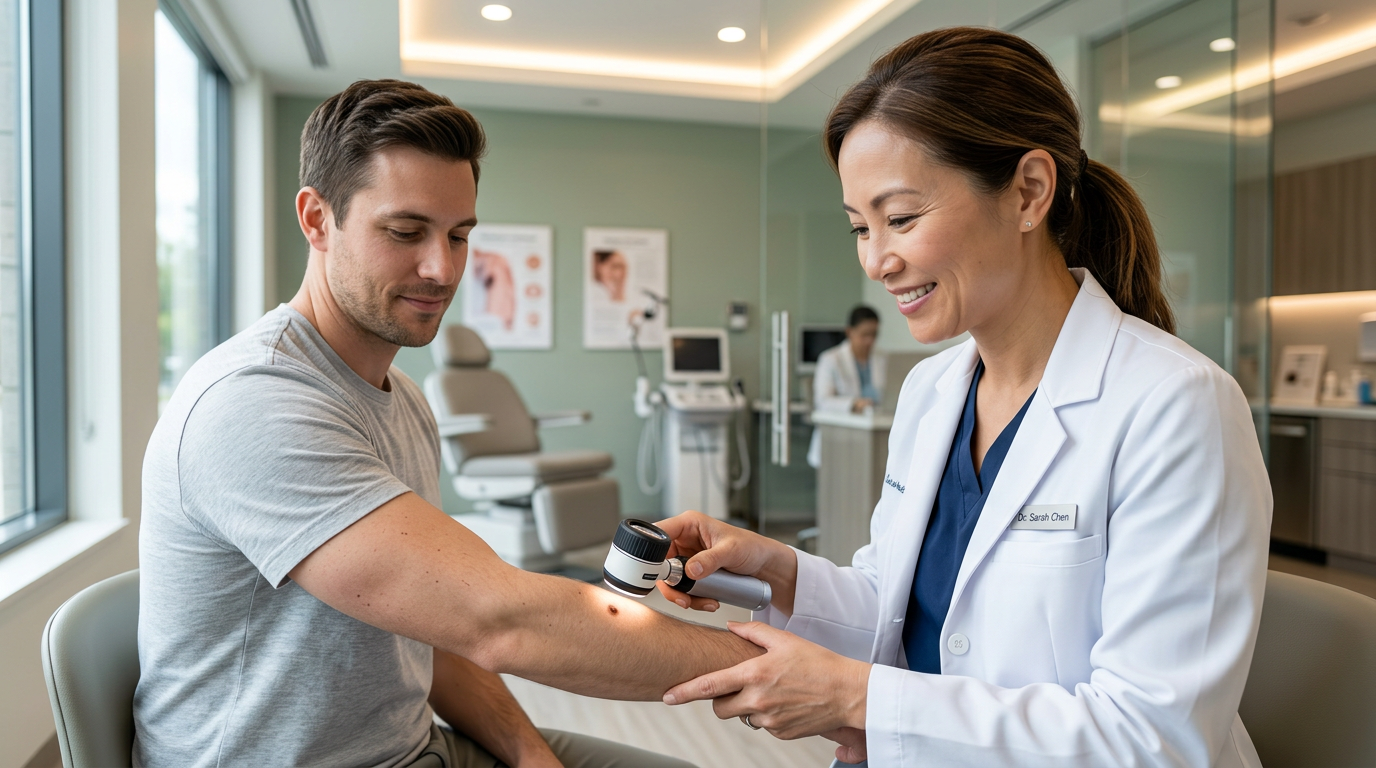
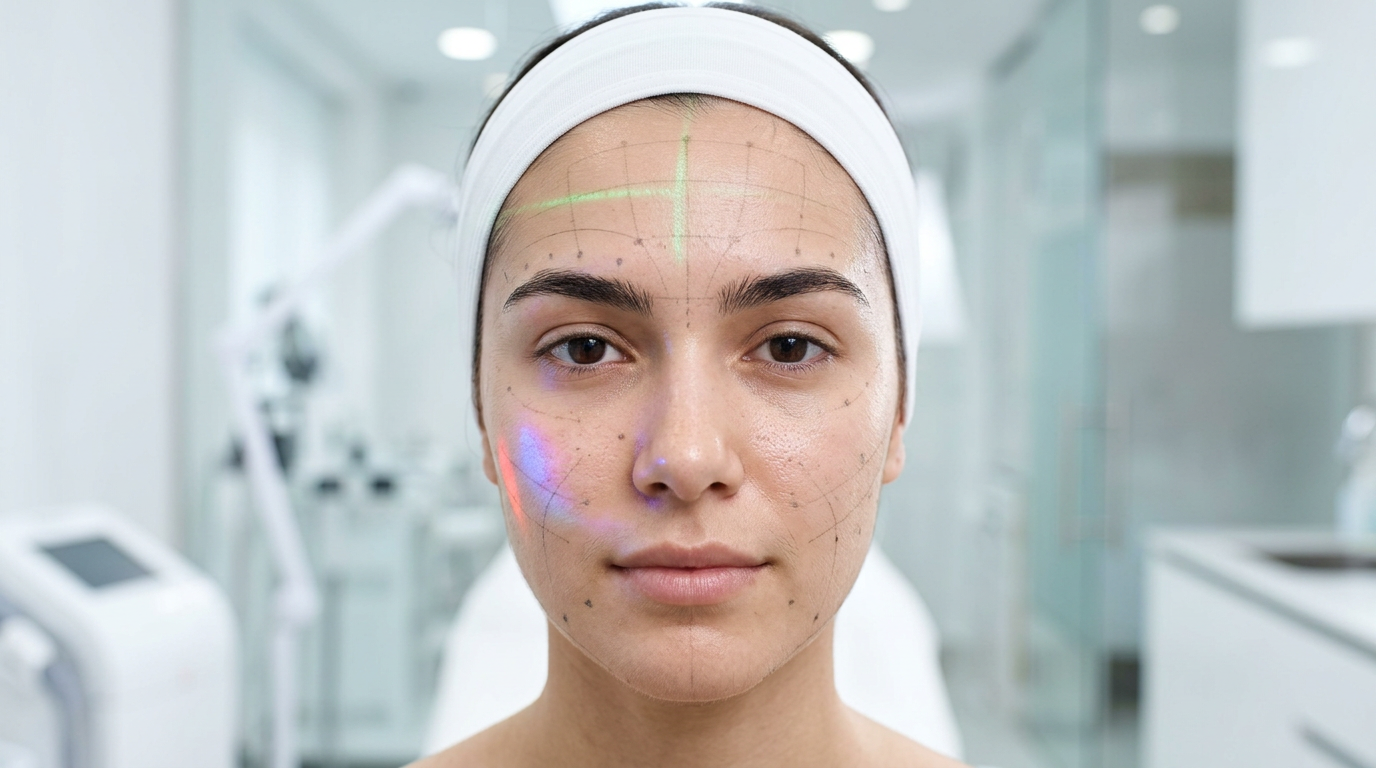
Dermatology specialist Dr Naomi at Adare Dermatology emphasises that melasma treatment must be personalised. A one-size-fits-all approach simply doesn't work with this condition. Dr Naomi recommends a thorough skin assessment before beginning any treatment plan, ensuring the type and depth of melasma are correctly identified so that the most appropriate combination of topical and professional treatments can be selected. Her approach combines clinical expertise with a deep understanding of how melasma behaves over time.
4. Lifestyle Adjustments
Small changes can make a meaningful difference:
-
Simplify your skincare routine: Fewer products mean less risk of irritation. Focus on gentle cleansing, active treatment, moisturising, and SPF.
-
Manage stress: Practices like regular exercise, adequate sleep, and mindfulness can help regulate cortisol.
-
Discuss hormonal options with your GP: If you suspect hormonal contraception is contributing, explore alternatives with your doctor.
-
Be patient: Melasma treatment is a marathon, not a sprint. Visible improvements can take 8–12 weeks of consistent care.
Living With Melasma
Melasma can feel frustrating and, at times, disheartening. But it's important to remember that it is incredibly common and nothing to be ashamed of. With advances in skincare science and the expert guidance of professionals like Dr Naomi at Adare Dermatology, there are more effective treatment options available today than ever before.
The key is a consistent, multi-layered approach: protect with SPF daily, treat with targeted actives like those found in the Reform Skincare range, seek professional advice when needed, and manage your personal triggers. Melasma may be chronic, but with the right strategy, clear and even-toned skin is well within reach.
Click here to book your consultation at Adare Dermatology.