Article: Understanding Hyperhidrosis: When Sweating Becomes More Than Just Cooling Down
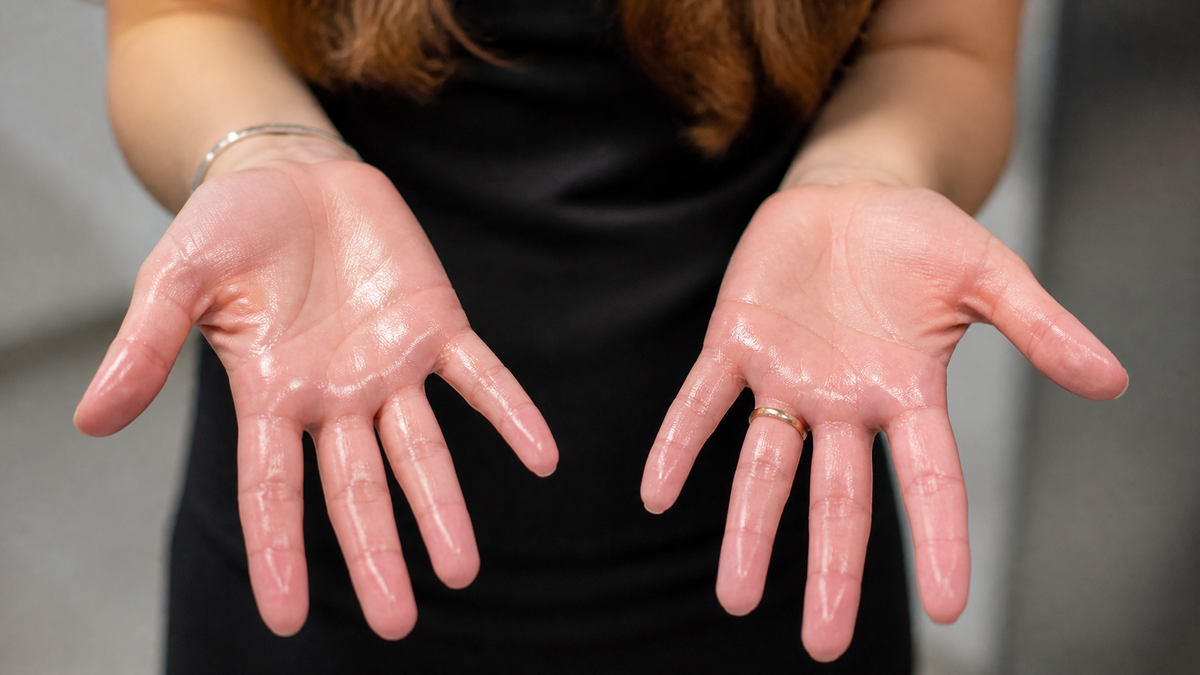
Understanding Hyperhidrosis: When Sweating Becomes More Than Just Cooling Down
Perspiration is a natural and necessary bodily function. On a warm afternoon, during a workout, or in a nerve-wracking situation, breaking into a sweat is completely expected. However, for some individuals, perspiration far exceeds what is required to regulate body temperature. It occurs in air-conditioned rooms, whilst sitting quietly, and in quantities that easily soak through clothes. When sweating begins to dictate daily life rather than simply responding to the environment, it is known as hyperhidrosis.
Why Hyperhidrosis Demands Medical Attention
Because of the social stigma attached to excess sweat, hyperhidrosis is frequently dismissed as a minor cosmetic issue. In truth, its impact mirrors that of a chronic medical condition. People often avoid shaking hands, hesitate to lift their arms, or wear dark, baggy clothing regardless of the weather. Many withdraw from social or professional opportunities altogether. Research consistently reveals elevated rates of anxiety and low mood amongst those affected — with emotional distress being a direct consequence of the physical symptoms, rather than the root cause.
Dermatological complications are also common. Skin that remains constantly damp — particularly between the toes and within skin folds — is prone to fungal infections, bacterial overgrowth, and severe irritation. In extreme cases, severe fluid loss can lead to dehydration and electrolyte imbalances.
Key Signs and Recognising "Excessive" Sweating
There is no fixed volume of sweat that defines the condition. Instead, doctors assess how much it affects your quality of life. Common indicators include:
-
Sweating that affects both sides of the body equally (symmetrical), usually concentrated on the palms, soles, armpits, or face
-
Episodes taking place at least once a week
-
Symptoms that first appeared before the age of 25
-
Complete absence of sweating during sleep
-
A family history of similar symptoms
-
Sweat that routinely drenches garments or drips from the hands
If several of these apply, it is sensible to discuss the matter with a doctor rather than managing it in isolation.
What Is Hyperhidrosis and Its Main Types?
Hyperhidrosis refers to profuse sweating that cannot be explained by high temperatures, physical effort, or emotional stress. It is not caused by poor hygiene, nor can it be controlled through willpower. It occurs because the sweat glands are overstimulated by overactive nerve signals.
GPs classify the condition into two distinct forms:
-
Primary focal hyperhidrosis: Typically starts during childhood or adolescence and targets specific body areas — most commonly the palms, soles, armpits, face, and scalp. It is not driven by an underlying disease; the issue lies purely within the nervous system's signaling.
-
Secondary generalised hyperhidrosis: Generally develops later in adulthood, affects broader areas of the body, and frequently occurs during sleep. This form is typically triggered by an underlying medical issue or as a side effect of medication, making proper medical investigation essential.
When to Consult a GP
If excessive sweating is interfering with your routine, it warrants a proper medical review. You should book an appointment with a doctor if you notice any of the following:
-
Night sweats: Waking up drenched in sweat requires prompt evaluation. Night sweats are uncommon in primary hyperhidrosis and may point to hormonal imbalances, infections, or other underlying conditions.
-
Sudden onset or worsening: Sweating that starts unexpectedly in adulthood or escalates rapidly over a few weeks should be investigated.
-
Widespread sweating: Sweating over the entire body, rather than in targeted areas, requires ruling out secondary causes.
-
Red-flag symptoms: Weight loss, fever, heart palpitations, tremors, shortness of breath, or feeling unusually hot alongside sweating all require prompt medical care. Sweating accompanied by chest pain or difficulty breathing must be treated as a medical emergency.
-
Medication changes: Particular prescription drugs — including antidepressants, pain relief, diabetes treatments, and blood pressure medications — can trigger sweating. A review of your prescriptions by a doctor or pharmacist is a wise first step.
-
Impact on emotional well-being: Avoiding work, social engagements, or personal relationships due to fear of sweating is a valid reason to seek support.
-
Symptoms in children or teenagers: Young people may feel embarrassed to speak up. If you notice a child avoiding PE, refusing certain clothes, or becoming withdrawn, arrange a gentle conversation with a GP.
Diagnosis: What to Expect at the Clinic
Diagnosing hyperhidrosis is usually straightforward and starts with a thorough consultation. Your GP will ask about when the sweating began, which areas are affected, whether it occurs at night, your current medications, and any family history of the condition. A physical exam will follow.

For suspected primary focal hyperhidrosis, a diagnosis can often be confirmed based on your symptoms and history alone. If a secondary cause is suspected, your GP may arrange blood tests (to evaluate thyroid function, blood sugar levels, and blood counts) or refer you to a dermatologist. A specialist might perform a simple starch-iodine test to map out the exact areas of active sweat glands to guide targeted treatment.
Treatment and Management Options
Medical management follows a stepped approach, starting with the least invasive options before moving to advanced procedures if necessary.
Medical Treatments
-
Topical antiperspirants: Prescription-strength products containing aluminium chloride or aluminium chlorohydrate are the primary treatment. Applied at night when sweat glands are least active, they are far more effective than standard deodorants. Any skin irritation can usually be managed with proper application technique.
-
Iontophoresis: A technique where a mild electrical current is passed through tap water whilst the hands or feet are submerged. This is particularly effective for the palms and soles and can be performed at home using a prescribed device.
-
Oral medications: Anticholinergic tablets can reduce sweating across the entire body. While effective for generalised symptoms, potential side effects include a dry mouth, blurred vision, and constipation. Beta-blockers may also be prescribed if acute anxiety triggers episodes.
-
Botulinum toxin injections: Administered into the underarms, palms, or soles, these injections temporarily block the nerve signals that activate sweat glands. Results typically last several months before repeat treatment is needed.
-
Specialised procedures and surgery: For severe, non-responsive cases, options include microwave therapy (which permanently destroys armpit sweat glands), laser treatment, or surgical removal of underarm glands. Endoscopic thoracic sympathectomy (ETS) interrupts the nerve pathways controlling sweat production, but it is reserved as a last resort due to the risk of compensatory sweating elsewhere on the body.
Practical Daily Self-Care
-
Wardrobe choices: Wear loose-fitting clothes made from breathable, natural fabrics (like cotton or linen) and keep a spare top at work.
-
Footwear and accessories: Wear moisture-wicking socks, alternate your shoes daily so they can dry completely, and use absorbent underarm shields.
-
Optimised antiperspirant use: Apply clinical-strength antiperspirant before bed rather than in the morning. Sweat glands are less active during sleep, allowing the active ingredients to plug the sweat ducts far more effectively.
-
Stress management: If nerve-wracking situations trigger sweat, techniques such as deep breathing exercises or cognitive behavioural therapy (CBT) can help reduce the frequency of flare-ups, even though they will not cure primary hyperhidrosis itself.
Living with excessive sweating can be exhausting, but it is a recognised medical condition that responds well to treatment. The key distinction to remember is between sweating that naturally regulates your body temperature and sweating that occurs regardless of the environment — especially when it happens at night or alongside other physical symptoms.
If you have been silently coping with hyperhidrosis under the assumption that nothing can be done, schedule an appointment with your GP to explore your options.
Disclaimer: This article is intended for general informational purposes only and does not replace formal medical advice. If you are concerned about your health, or if excessive sweating is accompanied by chest tightness, breathing difficulties, or a high fever, seek urgent medical attention.