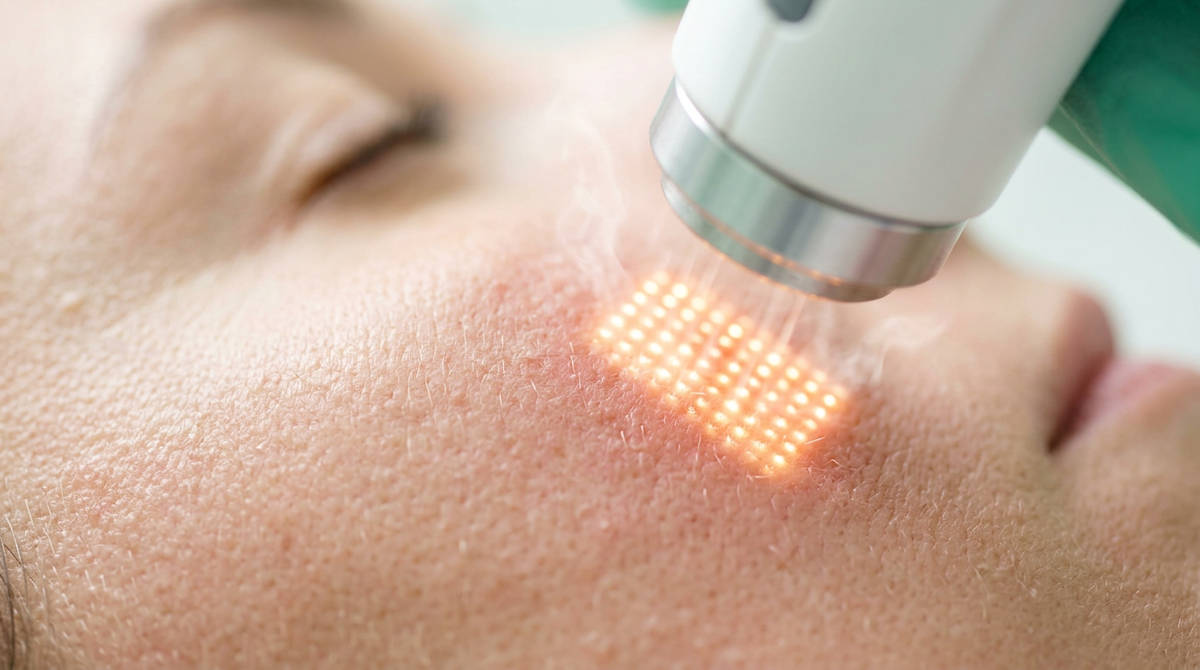
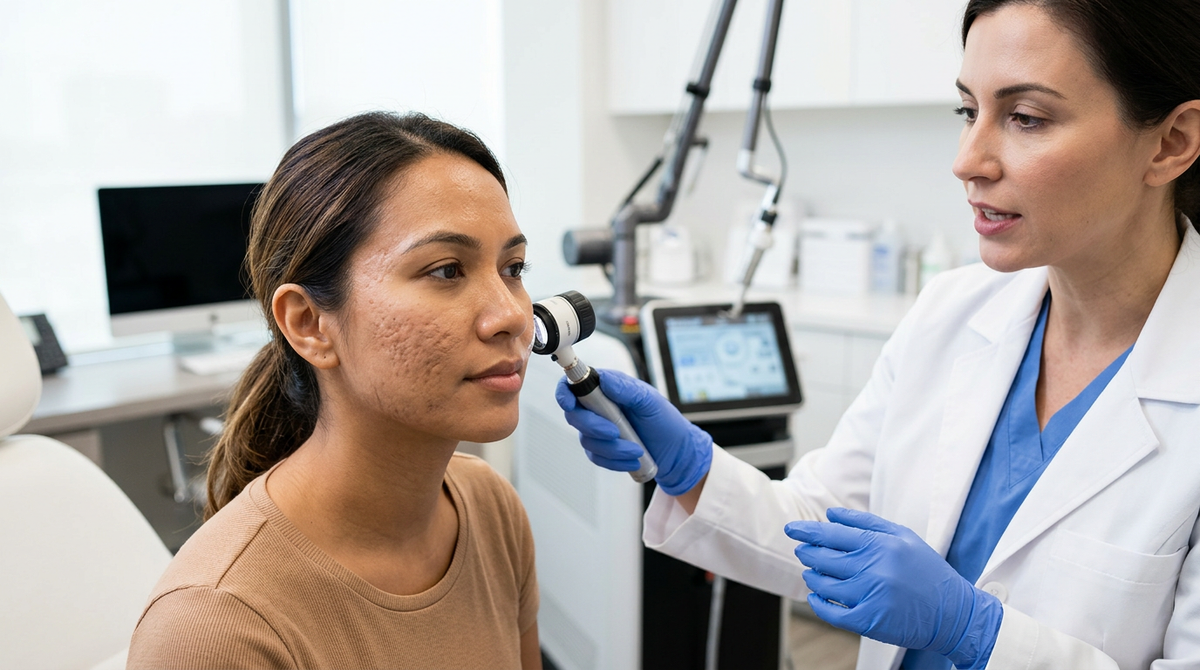
CO2 laser resurfacing can improve fine lines, acne scars, uneven texture, and sun damage by removing controlled layers of skin and stimulating collagen renewal. Results can be transformative, but recovery requires patience and diligent aftercare.
Healing time varies depending on treatment intensity, the treated area, and individual response. Fractional CO2 procedures typically involve 1–2 weeks of visible recovery, whereas fully ablative resurfacing requires longer. Always prioritize your clinician's specific instructions over general guidance.
Before You Begin: Recovery Essentials
Prepare your recovery space prior to treatment. Key items include:
-
Clinician-approved products: Cleanser, occlusive ointment, and bland moisturiser.
-
Hygiene supplies: Clean gauze, cotton pads, soft face cloths, and fresh towels and pillowcases.
-
Symptom relief: Cool compresses or gel packs (never apply ice directly).
-
Protection & medication: Broad-spectrum sunscreen (for later recovery) and prescribed antiviral, antibiotic, or pain-relief medications.
Avoid experimenting with new products during recovery. Freshly treated skin is compromised, so even products you normally tolerate may sting or trigger irritation.
Day 0: Immediate Post-Treatment
Day 0
-
Skin State: Feels hot, tight, and sore—similar to severe sunburn. Redness, swelling, and pinpoint bleeding or oozing are normal.
-
Wound Care: Apply prescribed ointment or occlusive dressing to prevent drying. Use cool compresses briefly to soothe heat.
-
Night 1 Care: Sleep with your head elevated to minimise swelling. Avoid touching the face, heat, exercise, alcohol, and hot showers. Do not apply active skincare, make-up, perfume, or essential oils.
Days 1–2: Peak Swelling & Oozing
Days 1–2
-
Skin State: Swelling peaks, especially around the eyes. Skin remains bright red and may weep clear or yellowish fluid.
-
Care Routine: Cleanse gently with lukewarm water and pat dry. Reapply recommended ointment. Keep hair back and avoid pet contact. Change pillowcases daily.
-
Precaution: Avoid direct sunlight, dust, smoke, and heat. Thick discharge, worsening pain, or foul odours require immediate medical attention.
Days 3–4: Crusting, Bronzing & Tightness
Days 3–4
-
Skin State: Skin may darken or turn bronze. Fine crusting, flaking, a grid-like texture, and increased itching occur as healing begins.
-
Care Routine: Continue gentle cleansing and heavy moisturising.
-
Strictly Avoid: Scratching, peeling, or picking. Do not use exfoliating acids, facial brushes, retinoids, vitamin C, saunas, or pools, and delay shaving over broken skin.
Days 5–7: Peeling & Early Renewal
Days 5–7
-
Skin State: Active shedding reveals pink, tender, highly sensitive new skin beneath.
-
Transition Care: Once skin has fully closed (re-epithelialised) and your clinician approves, transition to a minimal routine: gentle cleanser, simple hydrating barrier cream, and broad-spectrum sunscreen.
-
Product Note: Formulas such as REFORM Skincare’s Skin Barrier Repair Cream or Vitamin B5 Gel may be introduced at this stage only with clinician sign-off.
Days 8–14: Redness & Sensitivity
Days 8–14
-
Skin State: Crusting settles, but lingering pinkness and sensitivity remain.
-
Care Routine: Maintain a minimal routine—bland moisturiser, gentle cleansing, and strict sun protection (broad-spectrum SPF 30–50+ alongside wide-brimmed hats).
-
Precaution: Avoid picking lingering flakes. Delay make-up application until the surface is fully intact and approved by your clinician.
Weeks 3–4: Gradual Return to Routine
Weeks 3–4
-
Skin State: Looks healed on the surface, but deeper tissues continue rebuilding.
-
Reintroduction Strategy: Slowly reintroduce non-active skincare products one at a time, spaced several days apart to spot potential irritation.
-
Hold Off On: Retinoids, AHA/BHAs (glycolic, lactic, salicylic acids), strong vitamin C, benzoyl peroxide, and physical exfoliants until cleared by your practitioner.
Months 1–3: Long-Term Results & Protection
Months 1–3
-
Skin State: Deep collagen remodelling continues, progressively refining texture and tone.
-
Maintenance: Maintain gentle cleansing, daily SPF, and controlled reintroduction of active ingredients. Avoid tanning, as post-inflammatory hyperpigmentation (PIH) can develop months later.
What Is Normal vs. When to Call Your Clinician
| Expected Recovery Symptoms |
Warning Signs (Contact Clinic Promptly) |
| • Redness and flushing |
• Worsening pain rather than gradual improvement |
| • Moderate swelling and tightness |
• Spreading redness, extreme heat, or pus/yellow crusting |
| • Warmth and sensation of sunburn |
• Fever or systemic flu-like symptoms |
| • Clear/yellowish oozing (first 48 hrs) |
• Clusters of blisters or cold-sore outbreaks |
| • Bronzing, fine crusting, and flaking |
• Grey, black, or unusually pale, blanched patches |
| • Itching and temporary dryness |
• Sudden swelling of lips, tongue, throat, or eye pain |
The Golden Rules of Healing
-
Prioritise wound management over skincare: Early recovery requires occlusion and protection, not active cosmetic formulas.
-
Never pick or scratch: Prematurely removing skin spikes the risk of scarring and permanent hyperpigmentation.
-
Rigorous sun avoidance: Unprotected UV exposure on healing skin severely compromises your final result.