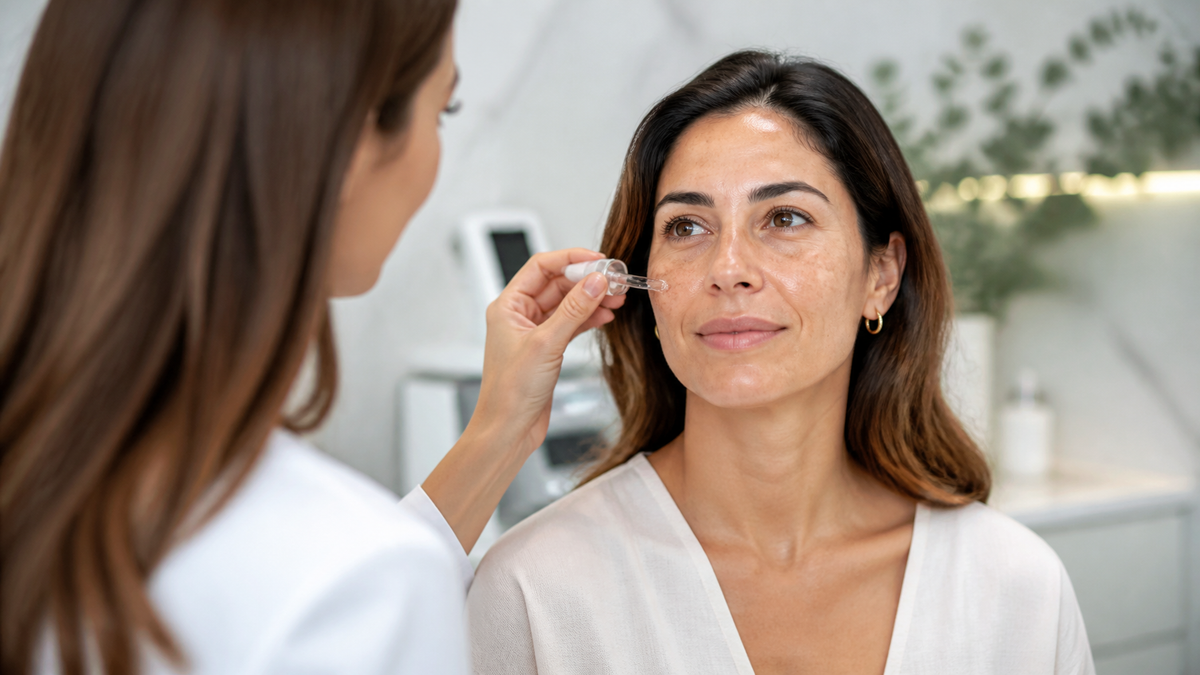
Article: The New Rules of Skin Rejuvenation: How Modern Lasers and Medical Skincare Work Together
The New Rules of Skin Rejuvenation: How Modern Lasers and Medical Skincare Work Together
Skin has become the quiet measure by which many of us judge how well we are ageing. A holiday tan that refuses to fade, a stubborn patch of pigmentation along the cheekbones, or the faint etching of lines that were not there two years ago — these small changes are often enough to send people searching for something more than another moisturiser.
What they discover is an industry that has shifted dramatically. Laser technology is now far gentler and more precise than the resurfacing machines of the 2000s, whilst medical-grade skincare has moved from niche clinics into everyday routines. However, understanding how these two elements work together is the true difference between chasing short-term results and building lasting improvement.
1. The Modern Evolution of Laser Technology
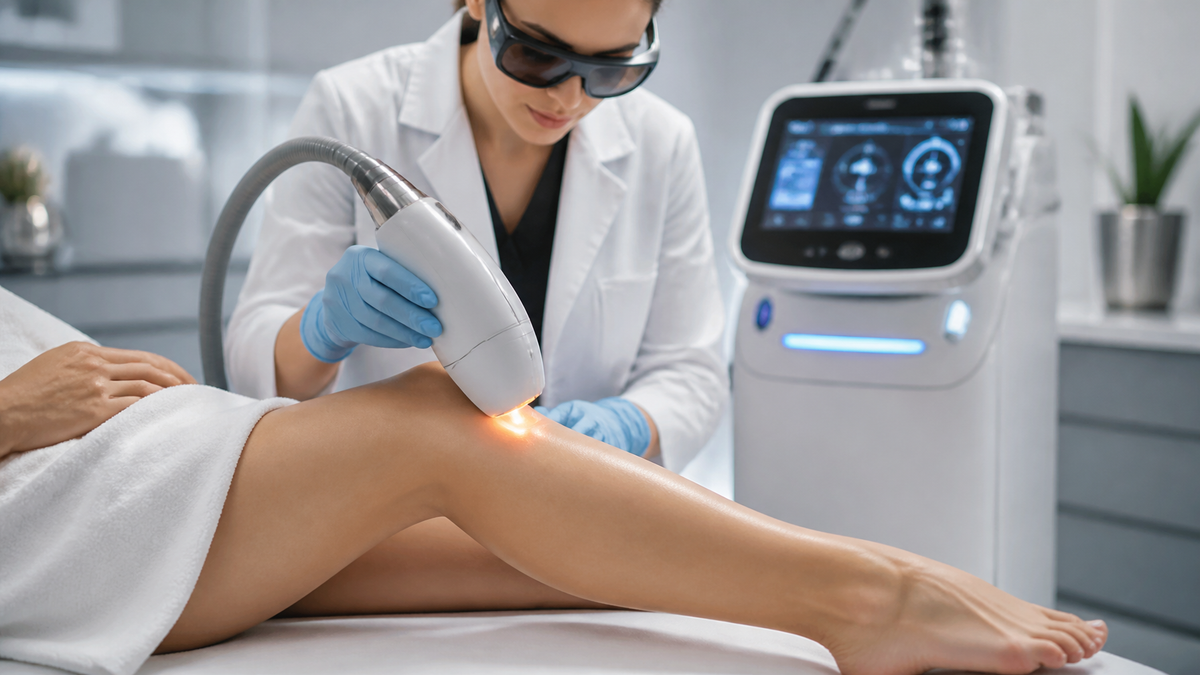
The popular image of laser treatment is still one of significant downtime, intense redness, and a face requiring a week indoors. That image belongs to old-fashioned, aggressive ablative resurfacing. While ablative methods still have a place for severe sun damage and deep lines, they are no longer the only option.
-
Fractional Lasers: Treat only a fraction of the skin's surface at a time, leaving surrounding tissue intact so healing is remarkably faster.
-
Non-Ablative Devices: Work beneath the surface without removing the top layer, making a true "lunchtime session" genuinely possible.
-
Targeted Wavelengths: Different devices cater to distinct concerns:
-
Pigment-focused: Targets melasma, sun spots, and post-acne marks.
-
Vascular-focused: Addresses redness, broken capillaries, and rosacea flushing.
-
Texture-focused: Refines pores and smooths fine lines.
-
Regardless of the device, the core principle remains the same: controlled thermal injury triggers the skin's natural repair response. Fibroblasts produce fresh collagen, causing the skin to thicken, tighten, and even out over the following weeks and months.
Because of this variety, a thorough consultation should never look like a standard menu. A clinic offering one single device for every concern is simply using the only tool it has, rather than the right one.
Tailoring Treatment to Skin Type
Pigmentation deserves particular care in regions with year-round sun exposure, such as the Philippines. Due to the wide variety of skin tones, a treatment plan tailored for fair, cooler-toned skin can cause more harm than good on deeper, warmer complexions. The risk of post-inflammatory hyperpigmentation (PIH) is very real, and it is the single most common reason patients end up worse off than when they started. Practitioner expertise and a skin-type-informed protocol matter far more than the brand name on the equipment.
2. What "Medical-Grade" Skincare Actually Means
The phrase "medical-grade" is often used loosely, but the science behind it is straightforward. Medical skincare is formulated at concentrations and within delivery systems that off-the-shelf high-street cosmetic products cannot legally or practically match.
Prescription retinoids genuinely remodel the skin structure, whilst clinical pigment inhibitors and stabilised Vitamin C serums reach deep cellular layers without prematurely oxidising in the bottle.
Broadly speaking, medical skincare earns its place in four distinct ways:
-
Preparation: Prepares the skin barrier prior to a procedure.
-
Support: Facilitates rapid healing immediately post-treatment.
-
Maintenance: Extends and sustains clinical results.
-
Targeted Management: Addresses ongoing concerns — such as active acne or sensitivity — that lasers alone cannot fully resolve.
3. The Crucial Role of Aftercare
The final outcome of a laser session is rarely decided in the clinic chair; it is decided in the fourteen days that follow.
Immediately after treatment, the skin's protective barrier is severely compromised. It loses moisture rapidly, becomes highly reactive to irritants, and is far more vulnerable to ultraviolet damage. This is a time for absolute restraint: gentle cleansing, generous barrier repair, diligent sun protection, and avoiding active ingredients until the skin has fully settled.
Caution: Ingredients that are wonderful in ordinary circumstances — strong exfoliating acids, high-strength vitamin C, or tretinoin — can actively delay recovery during the first week. A practitioner should always provide a structured, step-by-step aftercare plan rather than a vague instruction to "keep it moisturised."
Where Brands Like REFORM Skincare Fit In
Products built around barrier repair and post-procedure tolerance perform a role generic moisturisers cannot, simply because they are formulated for compromised skin rather than merely dry skin.
Brands such as REFORM Skincare sit in this clinical-yet-accessible space, providing targeted routines featuring barrier-supportive moisturisers and gentle cleansers. The honest way to view these products is as a vital supporting act: lasers create the structural change; skincare protects and sustains it. A serum cannot replace a clinical procedure, and a procedure cannot replace a consistent daily routine.
4. Building a Sustainable Daily Routine
To preserve clinical results, a structured daily regime should be straightforward:
-
Morning: Focus on antioxidant protection and sunscreen. Apply a broad-spectrum SPF 50 daily — reapply regularly, and wear it indoors on bright days and always after treatment. Sunscreen is not an optional footnote; it is the single factor determining whether laser results last a year or a single season.
-
Evening: Focus on gentle cleansing and barrier repair during early recovery. Gradually reintroduce prescription retinoids or pigment inhibitors once the barrier has fully restored.
-
Maintenance Schedule: Clinical treatments are typically spaced four to six weeks apart initially, shifting to longer intervals for maintenance rather than endless monthly appointments.
5. Setting Realistic Expectations
Clients frequently book consultations expecting an instant, flawless transformation. What modern dermatological treatments actually deliver is progressive improvement:
-
Noticeably lighter pigmentation.
-
Refined pore appearance in natural light.
-
Smoother texture under makeup.
-
A subtly firmer jawline.
While some initial radiance is visible straight away, collagen remodelling continues to develop for three to six months.
Crucially, permanence is a myth. Skin continues to age, sun exposure accumulates, and hormones shift. Anyone promising a permanent fix is selling certainty that human biology cannot offer.
Summary Strategy
-
Choose expertise: Select a practitioner who evaluates your specific skin type over your budget.
-
Prioritise aftercare: Follow post-procedure protocols precisely.
-
Keep it simple: Rely on a small number of well-formulated, barrier-focused products from specialist brands like REFORM Skincare rather than constantly switching products.
-
Protect daily: Commit to broad-spectrum sun protection every single day.
Done correctly, modern laser treatments paired with genuine medical skincare won't turn you into someone else — they will simply return your skin to its healthiest, clearest version.