Scalp Health Is Skin Health: How to Recognize and Treat Seborrheic Dermatitis
We often invest a lot of time and money into our skincare routines—serums, moisturisers, and sunscreens are staples on our bathroom shelves. Yet, we frequently forget that our scalp is simply an extension of our face.
When the scalp’s health is compromised, it can lead to uncomfortable, stubborn conditions. The most common offender? Seborrheic dermatitis.
Here is how to recognise the signs of this common skin condition and how to treat it effectively using UK-available solutions.
What is Seborrheic Dermatitis?
Seborrheic dermatitis (often called seborrheic eczema) is a common, non-contagious skin condition that mainly affects areas of the body with a high concentration of oil-producing (sebaceous) glands. While it can appear on the face, chest, and ears, it most frequently targets the scalp.
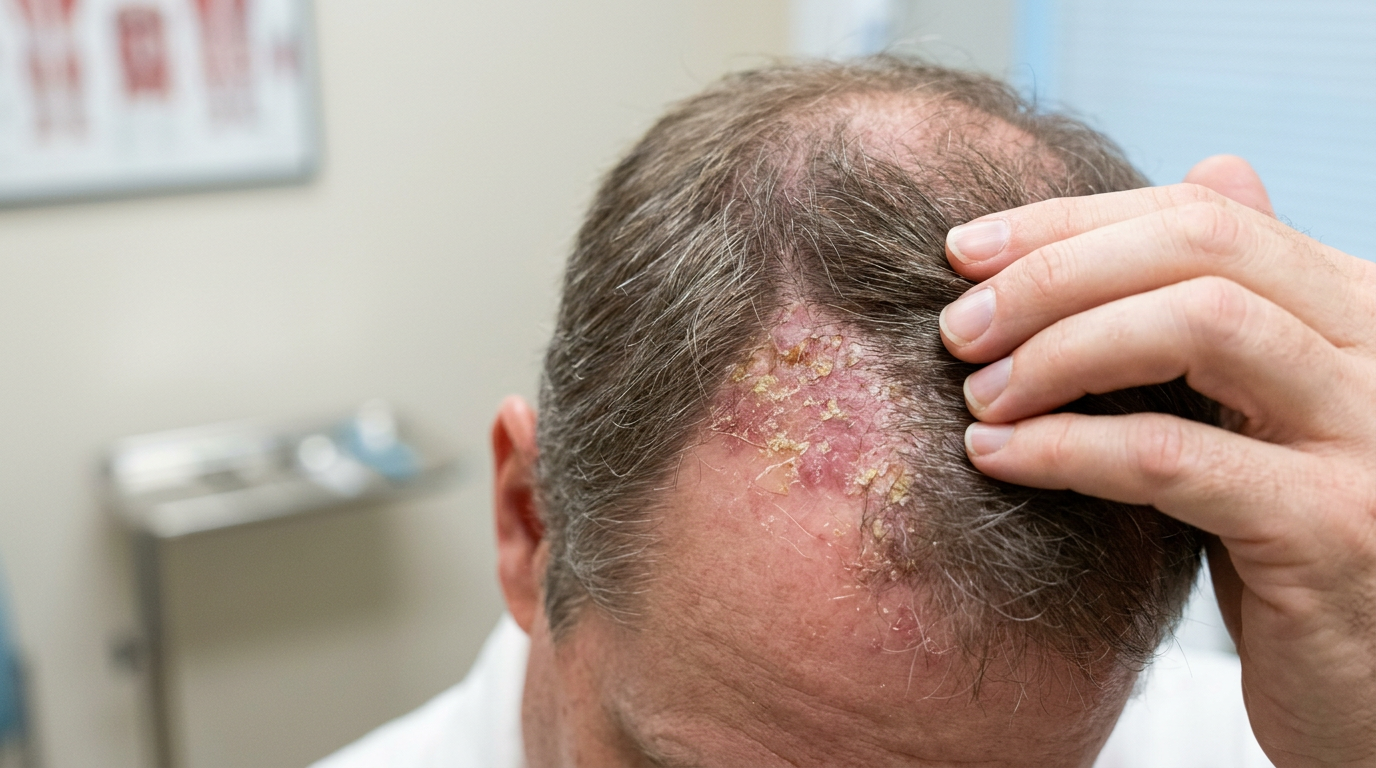
In its mildest form, it presents as simple dandruff. In more severe cases, it causes persistent inflammation, itching, and stubborn crusty patches.
The Root Cause
It isn't caused by poor hygiene. Instead, it is triggered by an overgrowth of a harmless yeast called Malassezia, which lives naturally on everyone's skin. When this yeast feeds on the excess sebum (oil) produced by your scalp, it breaks it down into byproducts that can irritate the skin barrier, leading to a rapid turnover of skin cells.
How to Recognise the Symptoms
Because the scalp is covered in hair, it can sometimes be tricky to spot the exact issue. Look out for these telltale signs:
-
Flakes: Brittle white or greasy yellowish scales that flake off onto your shoulders.
-
Redness and Inflammation: The scalp may look flushed, irritated, or feel warm to the touch.
-
Stubborn Itching: A persistent itch that often worsens when you sweat or feel stressed.
-
Greasy or Waxy Patches: Thicker, crusty scales that cling to the hair shafts near the roots.
Did you know? In infants, this exact same condition is known as cradle cap. While it can look alarming, it is entirely harmless and usually clears up on its own.
How to Treat It: The Best UK Solutions

Because seborrheic dermatitis is linked to yeast and oil production, standard cosmetic shampoos won't quite cut it. You need targeted active ingredients to calm the inflammation and reduce the yeast population.
Most effective treatments can be bought over-the-counter (OTC) at your local chemist or pharmacy:
1. Medicated Shampoos (The Gold Standard)
Look for shampoos containing the following active ingredients, alternating them with your regular shampoo 2 to 3 times a week:
| Active Ingredient | How it Works | Common UK Brand Examples |
| Ketoconazole (2%) | A powerful antifungal that targets Malassezia yeast directly. | Nizoral Anti-Dandruff Shampoo |
| Selenium Sulfide | Slows down the production of skin cells and reduces yeast. | Selsun Blue or Selsun (Note: check availability at your pharmacy) |
| Zinc Pyrithione / Piroctone Olamine | Gentler antifungals that help control mild to moderate flaking. | E45 Dry Scalp Shampoo, T-Gel Daily Control |
| Coal Tar | Slows skin cell turnover and reduces inflammation and itching. | Neutrogena T-Gel Therapeutic Shampoo |
| Salicylic Acid | A chemical exfoliant that helps soften and lift thick, crusty scales. | Capasal Therapeutic Shampoo |
2. Tweak Your Washing Routine
-
Let it sit: When using a medicated shampoo, massage it gently into your scalp and leave it on for 3 to 5 minutes before rinsing. This gives the active ingredients time to work.
-
Avoid heavy oils: Refrain from slathering your scalp in pure coconut, olive, or castor oil. While it might seem like a good fix for "dryness," these oils actually feed the Malassezia yeast and can make the condition worse.
-
Wash more, not less: If you have an oily scalp, washing your hair more frequently helps remove the excess sebum that triggers flare-ups.
When to See Your GP or a Pharmacist
For most people, a few weeks of targeted treatment with a pharmacy shampoo will clear up the worst of the symptoms. However, you should speak to a pharmacist or book an appointment with your NHS GP if:
-
The redness and itching are keeping you awake or affecting your daily life.
-
Your scalp looks infected (e.g., oozing, fluid-filled crusts, or extreme tenderness).
-
OTC medicated shampoos show no improvement after 2 to 4 weeks.
Your GP can prescribe stronger treatments, such as a prescription-strength steroid lotion to rapidly knock down severe inflammation, or topical antifungal liquids.
The Bottom Line
Healthy hair starts at the root. By treating your scalp with the same care, attention, and targeted ingredients you use for the rest of your skin, you can easily keep seborrheic dermatitis under control and enjoy a comfortable, flake-free scalp.
Book your consultation here.