LimeLight IPL Treatment for Sun Damage & Redness | UK Clinic
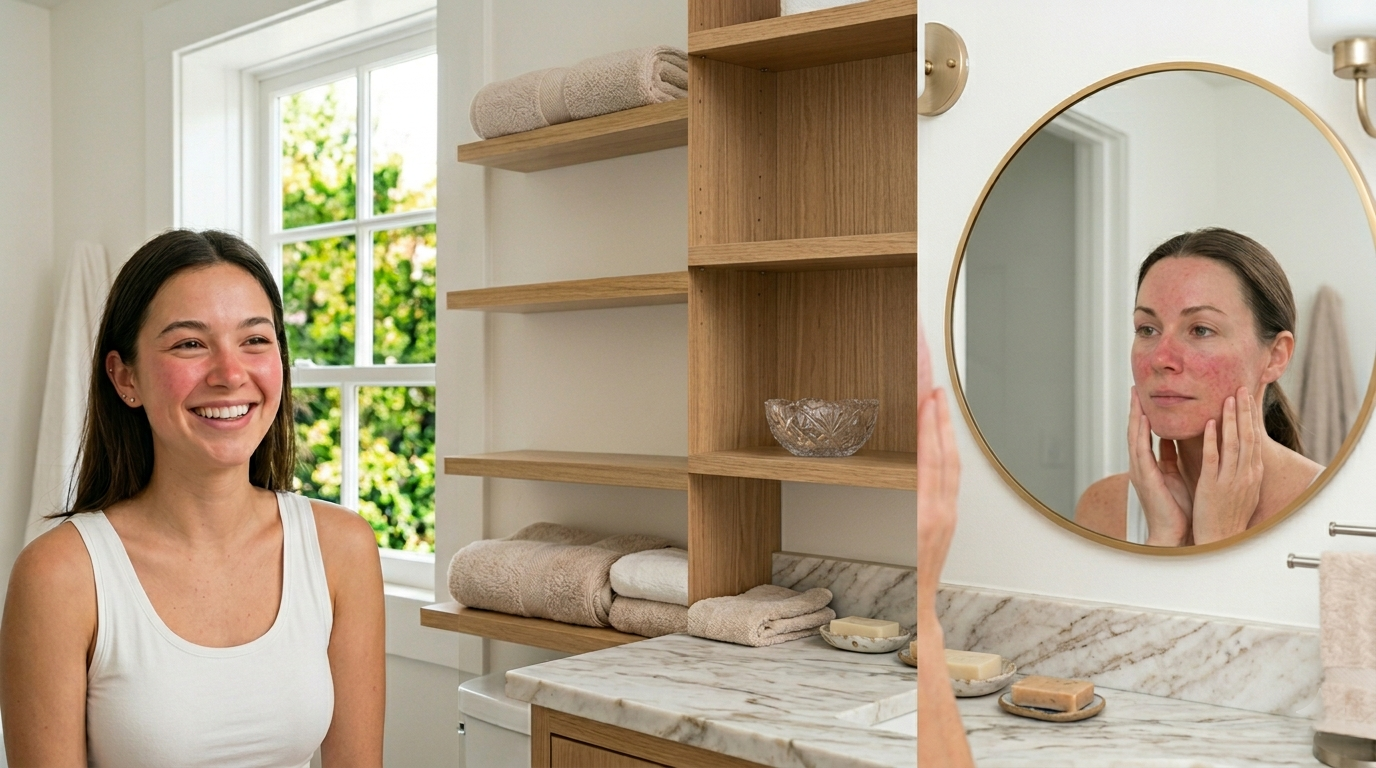
What once looked like a healthy glow gradually transforms into a patchwork of brown spots, persistent redness, and an uneven skin tone that no amount of concealer can fully mask. If you have spent time outdoors — whether sunbathing on holiday, playing sports, or simply enjoying the British summer — chances are your skin is telling the story.
The good news? Sun damage does not have to be permanent. Advances in aesthetic technology have made it possible to turn back the clock on photoaged skin, and one of the most effective tools in that arsenal is LimeLight IPL — a targeted, customisable intense pulsed light treatment designed specifically to address the redness and brown spots that sun damage leaves behind.
Understanding Sun Damage at the Skin Level
Before diving into how LimeLight works, it helps to understand what is actually happening beneath the surface when your skin is "sun-damaged."
Ultraviolet (UV) radiation from the sun penetrates the skin and triggers a cascade of responses. In the short term, your body produces melanin — the pigment responsible for tanning — as a protective measure. But over months and years of repeated exposure, this process becomes dysregulated. Melanin starts to accumulate unevenly, forming sunspots, also called solar lentigines, age spots, or liver spots. These flat, brown or dark patches most commonly appear on the face, hands, chest, and shoulders — the areas that get the most sun.
At the same time, UV exposure damages the tiny blood vessels in the skin. Capillaries dilate and can become permanently visible, leading to diffuse redness, broken capillaries, and rosacea-like flushing. The skin's collagen and elastin fibres also break down, contributing to fine lines and a rough, leathery texture.
Together, these changes — hyperpigmentation and vascular damage — are the hallmarks of photoaging. They make the skin look older, tired, and uneven. And while topical products like vitamin C serums and retinoids can help to a degree, they often cannot fully reverse damage that is already embedded in the deeper layers of the skin.
That is where in-clinic treatments like LimeLight IPL come in.
What Is LimeLight IPL?
LimeLight is an intense pulsed light (IPL) treatment developed by Cutera, a leading name in medical-grade laser and light-based technologies. Unlike traditional lasers that emit a single, fixed wavelength of light, IPL devices deliver a broad spectrum of light wavelengths. What makes LimeLight stand out from other IPL platforms is its intelligent, customisable design — it allows practitioners to fine-tune the treatment parameters based on each patient's unique skin type, tone, and specific concerns.
This level of customisation is critical. Skin damage does not look the same on everyone. A fair-skinned patient with extensive redness and scattered freckles requires a very different approach than someone with a deeper complexion dealing with stubborn, melasma-like patches. LimeLight's adjustable settings make it possible to treat a wide range of skin tones safely and effectively — a significant advantage over older IPL systems that carried higher risks of burns or post-inflammatory hyperpigmentation in darker skin.
How LimeLight Targets Brown Spots
Brown spots form when clusters of melanin sit in the upper layers of the skin. During a LimeLight treatment, pulses of light energy are delivered to the skin's surface. The light is preferentially absorbed by melanin — the dark pigment in sunspots and freckles.
When melanin absorbs this light energy, it heats up rapidly, causing the pigmented cells to fragment and break apart. Over the days following treatment, these fragmented pigment particles rise to the skin's surface. Patients often notice their brown spots temporarily darken — sometimes looking like tiny coffee grounds or dark flecks on the skin. This is actually a sign that the treatment is working. Within about one to two weeks, the darkened spots naturally flake off or are shed through the skin's normal turnover process, revealing clearer, more even-toned skin underneath.
For mild sun damage, a single session can produce a noticeable improvement. For more extensive or deeply embedded pigmentation, a series of two to four treatments spaced several weeks apart is typically recommended.
How LimeLight Addresses Redness and Vascular Concerns
The same principle that targets brown pigment also works on red and vascular lesions — just with a different chromophore. Instead of melanin, the light energy is absorbed by haemoglobin, the oxygen-carrying molecule in red blood cells.
When haemoglobin in dilated or broken blood vessels absorbs the IPL energy, it heats the vessel walls, causing them to constrict and eventually collapse. The body then naturally reabsorbs the damaged vessels over the following weeks. The result is a visible reduction in:
-
Diffuse facial redness and flushing
-
Broken capillaries (telangiectasia), especially around the nose and cheeks
-
Rosacea-related redness
-
Poikiloderma — the combination of redness and brown discoloration commonly seen on the neck and chest
Because LimeLight can be calibrated to target both pigment and vascular concerns in the same session, it is one of the few treatments that addresses the full spectrum of sun damage in a single sitting. This dual-action capability is a major reason why it remains a go-to treatment in dermatology and medical aesthetics clinics across the UK.
What to Expect During and After Treatment
A LimeLight session is relatively quick and straightforward. Most facial treatments take about 20 to 30 minutes, depending on the size of the area being treated. A cooling gel is applied to the skin, and the handheld device delivers pulses of light across the treatment zone.
Patients typically describe the sensation as a mild snap or sting — similar to the feeling of an elastic band lightly flicking against the skin.

Most people tolerate it well without any anaesthesia, though a topical numbing cream can be applied for those with lower pain thresholds.
Immediately after treatment, the skin may appear slightly pink or flushed, similar to a mild sunburn. This typically subsides within a few hours. Brown spots will darken over the next two to three days before gradually flaking away. Redness from vascular lesions usually begins to fade within the first week.
Downtime is minimal. Most patients return to their normal activities — including wearing makeup — the same day or the day after treatment. However, there are a few essential aftercare steps:
-
Strict sun protection is non-negotiable: The skin is more photosensitive after IPL, so a broad-spectrum sunscreen of SPF 30 or higher must be applied daily. Sun exposure during the healing period can trigger new pigmentation and undo your results.
-
Avoid heat exposure for 24 to 48 hours: This means skipping hot baths, showers, saunas, and intense exercise immediately after treatment.
-
Keep the skin hydrated: Use a gentle, fragrance-free moisturiser to support the healing process.
Who Is a Good Candidate?
LimeLight IPL works best for individuals with mild to moderate sun damage — those dealing with scattered brown spots, uneven tone, and diffuse redness. It is particularly popular among patients in their 30s to 60s who are starting to notice the cumulative effects of years of sun exposure.
The treatment is suitable for a range of skin tones, though the best results are typically seen in light to medium complexions. Patients with darker skin tones should consult with an experienced practitioner, as the higher concentration of natural melanin can sometimes interfere with the treatment's ability to distinguish between the target pigment and the surrounding skin.
LimeLight is not recommended for patients who are pregnant, those with active skin infections in the treatment area, or individuals who have used isotretinoin (Roaccutane) within the past six months.
Realistic Results and Long-Term Maintenance
One of the most satisfying aspects of LimeLight IPL is that results are often visible after just one session. Patients frequently report that their skin looks brighter, clearer, and more youthful — as if a dull filter has been lifted from their complexion.
However, it is important to set realistic expectations. IPL treats existing damage — it does not prevent new damage from forming. Without proper sun protection, new spots and redness will inevitably develop over time. Many practitioners recommend an annual maintenance session to keep the skin looking its best, paired with a daily skincare routine that includes sunscreen, antioxidants, and retinoids.
Think of it as a partnership: LimeLight does the heavy lifting to reverse what is already there, and your daily habits protect your investment going forward.
The Bottom Line
Sun damage is one of the most common — and most correctable — skin concerns. LimeLight IPL offers a proven, non-invasive path to clearer, more even-toned skin by targeting the two primary culprits of photoaging: excess melanin and damaged blood vessels. With minimal downtime, customisable settings for different skin types, and results that are often visible within days, it is no surprise that LimeLight has earned its place as a cornerstone treatment in aesthetic dermatology.
If your mirror is showing you a map of every sunny day you have ever had, know that the story does not have to end there. A consultation with a qualified dermatologist or aesthetic practitioner can help you determine whether LimeLight IPL is the right next chapter for your skin.