Laser Hair Removal 101: How Many Sessions Do You Actually Need?
Laser hair removal is one of those treatments that sounds wonderfully straightforward: zap the hair, stop it growing, enjoy smoother skin. In reality, it is a little more nuanced. One of the most common questions people ask before booking is: how many laser hair removal sessions do I actually need?
The honest answer is that most people need a course of treatments rather than a single appointment. For many areas of the body, this usually means six to eight sessions, although some people may need fewer and others may need more. Your hair colour, skin tone, hormones, treatment area, hair growth cycle, and the type of laser used can all affect the final number.
This guide breaks down how laser hair removal works, why multiple sessions are needed, what affects your results, and what to expect before, during, and after treatment.
What Is Laser Hair Removal?
Laser hair removal is a cosmetic treatment that uses concentrated light energy to target hair follicles. The laser is attracted to pigment in the hair, known as melanin. When the light is absorbed, it turns into heat, which damages the follicle and reduces its ability to produce new hair.
The goal is not always to remove every single hair permanently. A more realistic expectation is long-term hair reduction. Over time, treated hair often grows back finer, lighter, slower, and more sparsely. Some follicles may stop producing hair altogether, while others may need maintenance sessions later on.
Laser hair removal can be used on many areas of the face and body, including:
-
Upper lip
-
Chin
-
Underarms
-
Bikini line
-
Legs
-
Arms
-
Back
-
Chest
-
Stomach
-
Shoulders
It is important to have treatment with a trained professional who understands skin types, laser settings, and safety protocols. The right settings matter, because a treatment that is too weak may not be effective, while one that is too aggressive may increase the risk of burns, pigmentation changes, or irritation.
Why One Session Is Not Enough
The main reason you need several sessions is the hair growth cycle.
Hair does not grow all at once. Each follicle moves through different phases, and laser works best when the hair is in the active growth stage. This is when the hair is still attached to the follicle and contains enough pigment for the laser to target effectively.
| Hair Growth Stage | What Happens | Why It Matters |
| Anagen | Active growth phase | Laser is most effective here |
| Catagen | Transitional phase | Hair begins to detach from the follicle |
| Telogen | Resting/shedding phase | Laser is less effective because the hair is not actively growing |
At any one appointment, only a percentage of hairs in the treatment area will be in the active growth phase. This is why a single session can reduce some hair, but it cannot catch every follicle at the right moment. Repeated treatments help target different hairs as they enter the active phase over time.
This is also why spacing between appointments matters. If sessions are too close together, there may not be enough new active-growth hairs to treat. If sessions are too far apart, the treatment plan may become less efficient.
How Many Sessions Do Most People Need?
As a general guide, most people need six to eight laser hair removal sessions for noticeable, long-lasting reduction. Some may see strong results after four to six sessions, while others may need eight to twelve or more, particularly in hormonally sensitive areas.
| Treatment Area | Typical Number of Sessions | Usual Spacing |
| Upper lip or chin | 6–10 sessions | Every 4–6 weeks |
| Underarms | 6–8 sessions | Every 4–6 weeks |
| Bikini line | 6–8 sessions | Every 4–6 weeks |
| Legs | 6–8 sessions | Every 6–8 weeks |
| Arms | 6–8 sessions | Every 6–8 weeks |
| Back or chest | 8–12 sessions | Every 6–8 weeks |
These figures are estimates, not guarantees. Two people having the same area treated may respond differently. One person may have thick, dark hair that responds quickly, while another may have finer or hormonally driven hair that takes longer to reduce.
The best way to think about laser hair removal is as a course of progressive reduction. After each session, fewer hairs should return, and the hairs that do come back should often appear softer and lighter.
What Results Can You Expect After Each Session?
Results are gradual. You should not expect to walk out of your first appointment completely hair-free forever.
After the first session, treated hairs may appear to keep growing for a short time. This is usually shedding rather than true regrowth. Over the next one to three weeks, many of the treated hairs will loosen and fall out. Some patches may look smoother, while others may still have visible hair because those follicles were not in the right growth phase at the time of treatment.
By session three or four, many people notice that:
-
Hair grows back more slowly.
-
There are thinner or patchier areas.
-
Shaving becomes less frequent.
-
The texture of the hair feels softer.
-
Ingrown hairs may reduce.
By the end of a full course, you may see a significant reduction in hair density. However, it is normal for some fine hairs to remain. Laser hair removal is often described as permanent hair reduction rather than guaranteed permanent removal, because the body can sometimes reactivate follicles later.
What Affects the Number of Sessions You Need?
There is no universal number because several factors influence how well laser hair removal works:
-
Hair Colour and Thickness: Laser is generally most effective on dark, coarse hair because it contains more pigment for the laser to target. Blonde, grey, white, and red hair can be much harder to treat because these hair colours contain less pigment. Fine hair can also be more difficult to treat than coarse hair.
-
Skin Tone: Modern laser systems can treat a wide range of skin tones, but the correct laser type and settings are essential. Contrast between the hair and surrounding skin helps, though experienced clinics can safely treat deeper skin tones with the right equipment (such as Nd:YAG lasers).
-
Treatment Area: Underarms and bikini areas often respond quickly due to hair coarseness. Facial areas (upper lip, chin, jawline) can be more unpredictable and often require ongoing maintenance.
-
Hormones: Hormonal fluctuations linked to puberty, pregnancy, menopause, contraceptive changes, or conditions like PCOS can stimulate new hair growth. Laser treats active follicles, but it cannot prevent the body from developing new hormonally triggered hairs later on. If you experience sudden or excessive hair growth, consult a GP or medical professional.
-
Consistency of Appointments: Sticking to your recommended treatment schedule ensures each session catches a fresh cycle of hair in the active growth phase.
-
Laser Technology and Practitioner Skill: Professional-grade lasers perform differently to at-home IPL devices. Practitioner skill in tailoring energy settings to your skin and hair type is critical for both safety and results.
How Often Should You Have Laser Hair Removal?

Most appointments are spaced four to eight weeks apart, depending on the area.
Facial areas are often treated every four to six weeks because hair cycles tend to be shorter. Body areas such as legs, arms, back, and chest may be treated every six to eight weeks because the growth cycle is longer.
Your schedule may be adjusted as treatment progresses. Early in the course, appointments may be closer together; as hair growth slows, sessions are spaced further apart.
Will You Need Maintenance Sessions?
Many people benefit from occasional maintenance sessions after completing their initial course—typically once or twice a year.
Maintenance is more common for hormonally influenced areas (face, chin, neck, chest, stomach, and bikini line). Think of maintenance as keeping results tidy rather than starting again from scratch.
How to Prepare for a Session
Good preparation helps make treatment safer and more effective:
-
Shave the area 12–24 hours before treatment (so the laser targets the root below the skin, not hair on the surface).
-
Avoid waxing, plucking, and threading for several weeks beforehand (these remove the hair root entirely).
-
Avoid tanning, sunbeds, and fake tan, as tanned skin increases the risk of side effects and burns.
-
Inform your practitioner of any medications, active skincare products (like retinoids), or recent sun exposure.
What Happens During Treatment?
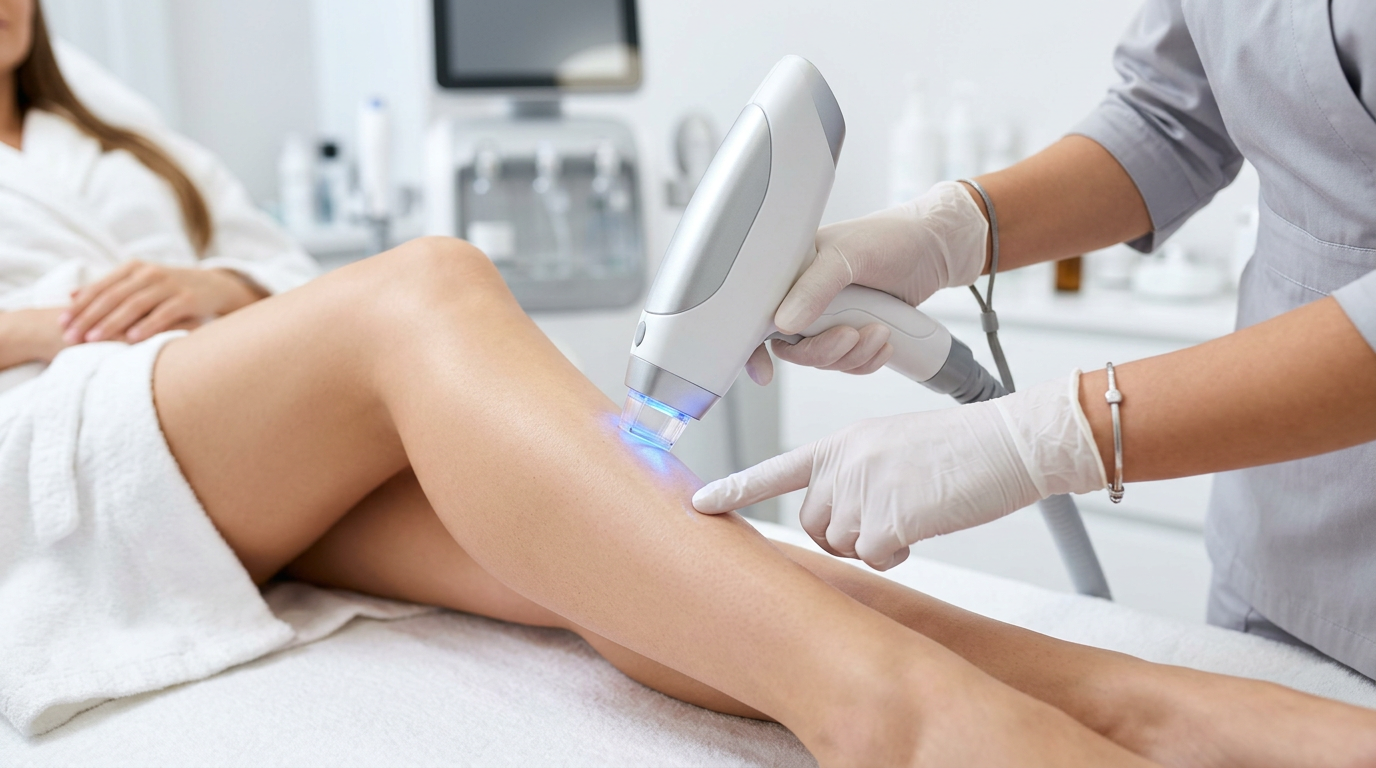
Your practitioner will cleanse the area, mark the treatment zone, and provide protective eyewear. A laser handpiece is passed over the skin, delivering short pulses of energy.
The sensation is often described as a quick snap (like a rubber band), heat, or a prickling feeling. Many modern devices feature built-in cooling tips to keep the skin comfortable.
What Should You Do After Laser Hair Removal?
After treatment, skin may look slightly red or feel warm (similar to mild sunburn) for a few hours.
Aftercare best practices:
-
Keep the area cool and clean.
-
Avoid hot showers, saunas, and steam rooms for 24–48 hours.
-
Avoid intense exercise immediately after treatment if the area feels irritated.
-
Use gentle skincare and avoid harsh exfoliants for a few days.
-
Wear broad-spectrum sun protection on exposed treated areas.
-
Do not wax or pluck between sessions (shaving is fine).
Is Laser Hair Removal Worth It?
For most people, laser hair removal is worth the investment because it significantly reduces the time, ongoing cost, and irritation associated with shaving, waxing, or dealing with ingrown hairs. While it requires patience and a course of sessions, it offers long-term reduction and smoother skin in the long run.