Article: How Medically-Led Anti-Wrinkle Treatments Enhance, Never Freeze
How Medically-Led Anti-Wrinkle Treatments Enhance, Never Freeze
The best anti-wrinkle treatment should not make you look like someone else. It should help you look rested, refreshed and recognisably yourself.
Yet one concern continues to hold many people back: Will my face look frozen?
It is an understandable question. We rely on facial movement to communicate warmth, humour, interest and emotion. Nobody wants smoother skin at the expense of a natural smile or an expressive face. This is precisely why medically led treatment matters. When injectable anti-wrinkle treatments are planned and administered by an appropriately qualified medical professional, the aim is not to eliminate expression. It is to soften selected lines while preserving the movement that makes your face uniquely yours.
Why Expression Lines Develop
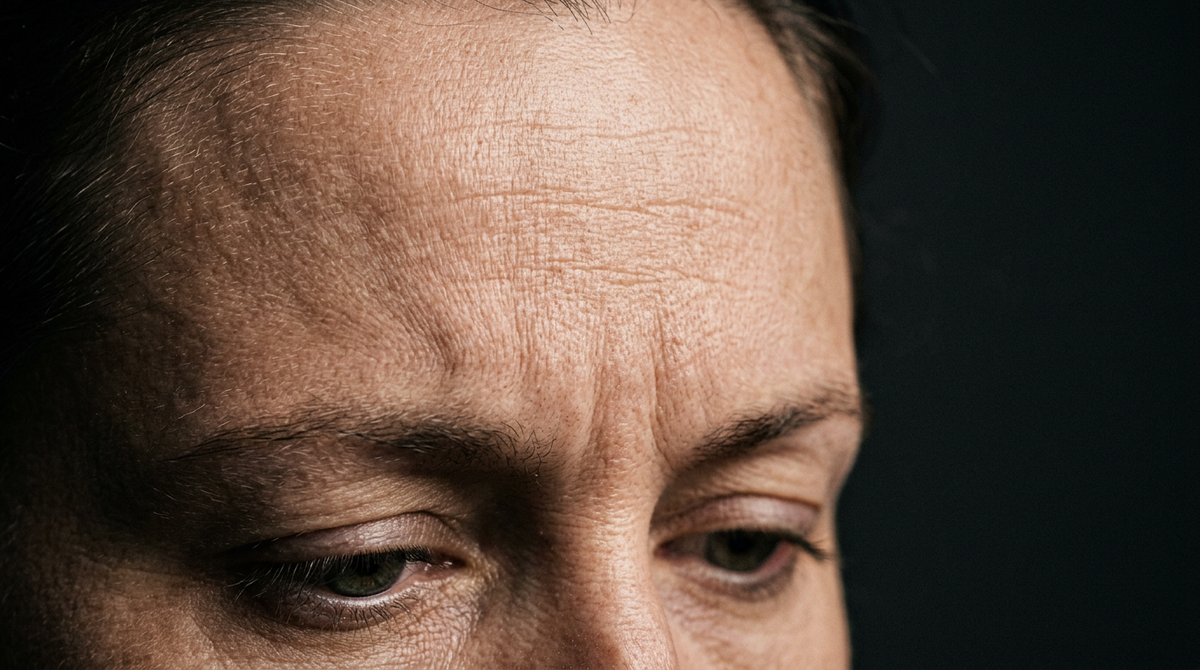
Many facial lines begin as dynamic wrinkles: creases that appear when the underlying muscles contract. Frowning may create vertical lines between the brows, raising the eyebrows forms horizontal forehead lines, and smiling produces lines around the eyes.
When we are younger, these lines usually disappear once the face relaxes. Over time, repeated movement combines with changes in collagen, elastin, hydration and skin thickness. Environmental influences, particularly ultraviolet exposure, can accelerate this process. Gradually, some lines remain visible even when the face is at rest.
Anti-wrinkle injections use a prescription-only medicine to temporarily reduce activity in carefully selected muscles. This can soften the repetitive contractions contributing to certain lines. The key phrase is carefully selected. Natural-looking treatment depends not simply on injecting a product, but on understanding exactly where, why and how much to administer.
The Difference a Medical Approach Makes
Facial anatomy is complex. Muscles often work in opposing groups, creating a delicate balance that affects eyebrow position, eyelid support, symmetry and expression. Treating one area without considering the rest of the face can alter this balance.
A medically led consultation should therefore begin with assessment rather than injection. Your practitioner will consider:
-
Your facial anatomy and natural expressions.
-
Which lines appear during movement and which remain at rest.
-
The strength and pattern of your muscle activity.
-
Existing asymmetry, brow position and facial proportions.
-
Your medical history, medicines and suitability for treatment.
-
The result you want — and whether it is realistic.
This assessment helps the practitioner create an individual plan. Two people may both be concerned about forehead lines, yet require very different treatment patterns. A standardised approach cannot account for differences in muscle strength, eyebrow shape, facial proportions or expressive habits.
Enhancement Is About Restraint
A frozen appearance is usually associated with excessive or poorly balanced treatment. Medically led care takes a more considered approach: soften the movements creating unwanted lines without unnecessarily suppressing the surrounding expressions.
That may mean using a conservative amount, treating fewer areas or staging treatment over more than one appointment. It can also mean advising against an injection when the desired result would be better achieved through skincare, another procedure or no treatment at all.

The most effective results are often subtle. You may notice that you look less tired or tense, while friends simply think you look well. You should still be able to smile, laugh and react naturally. The objective is not a motionless forehead; it is a more relaxed appearance that remains harmonious with the rest of your face.
A responsible practitioner will also recognise when more treatment is not better. It is usually easier to review a conservative result and make a small adjustment than to reverse the visual effect of overtreatment while waiting for it to wear off.
Anti-Wrinkle Treatment Does Not Replace Skincare
Injectable treatment and skincare perform different roles. Anti-wrinkle injections act on selected muscle movement, while skincare supports the surface and condition of the skin. It can address hydration, texture and protection from environmental damage, but it cannot replicate the action of an injectable prescription medicine.
The two approaches can nevertheless complement one another. A carefully planned treatment may soften dynamic lines, while a consistent skincare routine helps the complexion appear smoother, healthier and more resilient.
The most important daily step is broad-spectrum sun protection. UV exposure contributes to premature skin ageing and collagen breakdown, so sunscreen helps protect both the skin and the investment made in professional treatment. REFORM Skincare's SPF 50+ Antioxidant Sunscreen is one relevant option within a daily routine. Its Gentle Hydrating Crème Cleanser and Skin Barrier Repair Cream may also suit a simple, barrier-focused routine when skin needs gentle care.

Potent products, including retinoids, exfoliating acids and high-strength vitamin C, may have a place in a longer-term routine. However, they are not automatically appropriate immediately before or after an injectable appointment, particularly if the skin is irritated or sensitive. Follow the advice of your treating clinician about when to pause and restart active skincare.
What Natural Results Look Like
Natural-looking treatment is not defined by the complete absence of lines. Faces are meant to move, and some lines are part of healthy expression. A successful outcome may include:
-
Softer frown lines without a heavy or unnatural brow.
-
A smoother forehead that still retains appropriate movement.
-
Reduced lines around the eyes without changing the character of your smile.
-
A fresher appearance without an obvious sign that treatment has taken place.
-
Balanced results that suit your features rather than follow a trend.
It is also important to understand that lines visible at rest may not disappear immediately. Reducing repeated muscle movement can prevent them from being continually reinforced, but established creases involve the skin itself. Their improvement may be gradual and may require a broader plan involving skincare or other clinician-recommended treatments.
Consultation, Review and Aftercare
Anti-wrinkle treatment should be treated as a medical procedure, not a quick beauty purchase. Before proceeding, you should understand the expected benefits, possible side effects, limitations, aftercare and alternatives. You should also be given an opportunity to ask questions without pressure.
Results develop gradually rather than appearing instantly. A review appointment allows the clinician to assess movement, balance and symmetry once the treatment has taken effect. Any adjustment should be based on this assessment, not on the assumption that every remaining line requires more product.
Temporary redness, swelling, tenderness or bruising can occur. Less common complications are also possible, which is why practitioner qualifications, prescribing arrangements and access to follow-up care matter. Seek prompt medical advice if you develop symptoms that concern you, and always follow the specific aftercare guidance provided by your clinician.
How to Choose a Practitioner
Look beyond before-and-after photographs or promotional pricing. Choose an appropriately qualified medical professional who offers a proper consultation, uses regulated prescription products and provides clear follow-up care.
A trustworthy practitioner should be willing to explain:
-
Their medical qualifications and relevant experience.
-
Why a particular treatment pattern is suitable for your anatomy.
-
The risks, expected duration and likely limitations.
-
What support is available if you have a concern.
-
When they would decline or postpone treatment.
Be cautious if you feel rushed, pressured into treating several areas or promised a guaranteed result. Good medical aesthetics is built on judgement, transparency and patient safety.
The Goal Is Still You
Medically led anti-wrinkle treatment is not about erasing every crease or preventing every flicker of emotion. It is about making precise, proportionate adjustments that soften selected lines while respecting the face as a whole.
When assessment, anatomy and restraint guide the treatment, the result should enhance rather than mask. Your face can look smoother without becoming expressionless, refreshed without appearing altered and rested without losing its individuality.
The most successful outcome is not a face that looks treated. It is a face that still looks entirely like yours.