Cutera Xeo Real Results: What to Expect Before and After Treatment
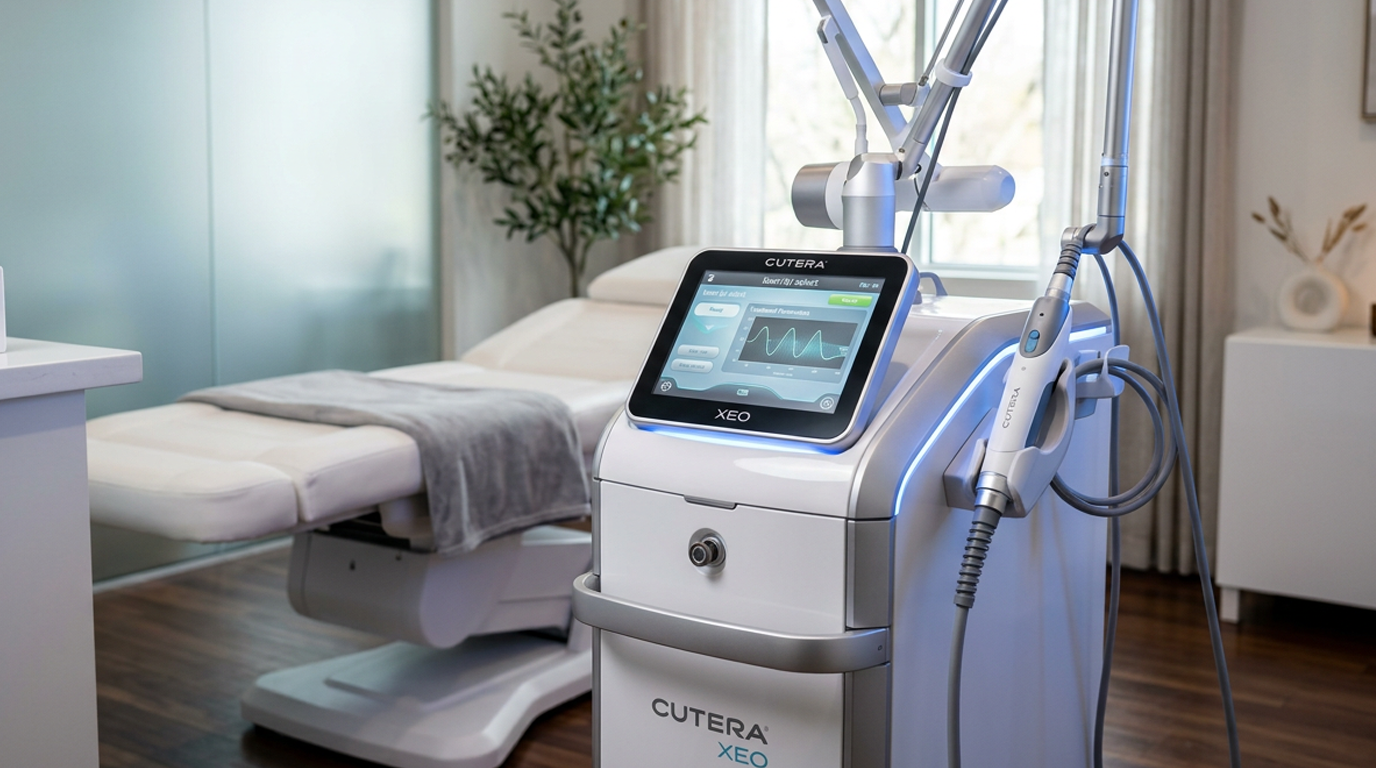
The Cutera Xeo is a versatile aesthetic treatment platform used by trained practitioners to address a wide range of skin and hair concerns. From unwanted hair and visible veins to pigmentation, redness, uneven texture, fine lines and general skin rejuvenation, the system delivers targeted energy into the skin with precision.
For many people, the central question is what the results actually look like before and after treatment. The outcome depends on several factors, including the condition being treated, your skin type, the handpiece used, the number of sessions recommended, and how your skin responds during the healing process. While some improvements may be visible after one appointment, most Cutera Xeo treatments work gradually. The most natural-looking outcomes develop over a series of sessions as the skin repairs, renews and responds.
What Is Cutera Xeo?
Cutera Xeo is a multi-application aesthetic platform that can be customised for different skin concerns. Rather than being a single treatment, it is a flexible system that supports several types of procedures depending on the device configuration and applicator. Practitioners can adjust the settings to suit the specific treatment area, concern and individual skin profile.
Common concerns treated with Cutera Xeo include:
-
Unwanted hair: On areas such as the face, underarms, bikini line, legs, back or chest.
-
Visible veins: Facial veins and thread veins, particularly around the nose, cheeks and chin.
-
Redness: General flushing and vascular-related redness.
-
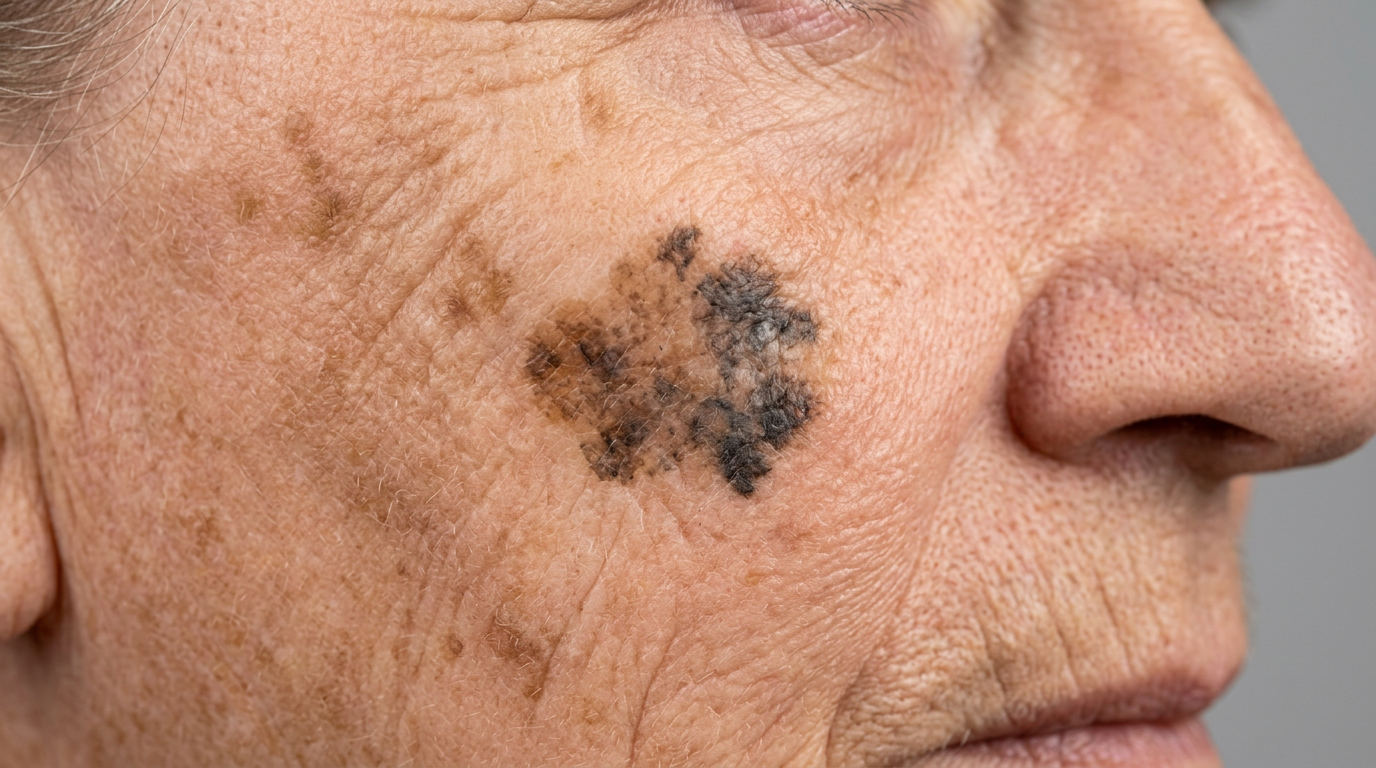
Sun damage and pigmentation: Brown spots, freckles and uneven tone.
-
Fine lines and dullness: Collagen stimulation and resurfacing approaches.
-
Texture issues: Uneven texture, enlarged pores and mild signs of ageing.
Before Treatment: What Your Skin May Look Like
Before treatment, many clients experience concerns that have developed gradually over time, such as sun spots, broken capillaries, patchy redness, unwanted hair, rough texture or early skin laxity.
During your consultation, a practitioner assesses your skin, medical history, recent sun exposure, skincare routine, and previous aesthetic treatments. You will typically be advised to avoid tanning, sunbeds, active skincare ingredients, or certain treatments beforehand, as laser and light-based therapies work best when the skin is calm and not recently exposed to UV radiation.
What Happens During the Treatment?

The treatment area is cleansed, and protective eyewear is provided. Depending on the procedure, integrated cooling is used to improve comfort. The sensation varies:
-
Hair removal: Feels similar to an elastic band snapping against the skin.
-
Vascular/Pigmentation: Short, warm bursts or light snaps.
-
Skin rejuvenation: A gentle, warming sensation.
Small areas (like upper lip hair or a single facial vein) take only a few minutes, while larger areas like the legs or back require more time.
Immediately After Treatment: What Is Normal?
It is common for the skin to look slightly red or feel warm immediately afterwards. Typical short-term responses include:
-
Vascular treatments: Treated veins may temporarily darken before fading, sometimes with mild swelling around the vessel.
-
Pigmentation treatments: Brown spots darken initially, taking on a appearance similar to tiny coffee grounds before flaking off over the following days.
-
Laser hair removal: Hair does not fall out instantly; it sheds gradually over 1 to 3 weeks.
Results Timeline
| Timeframe | Expected Skin Response |
| Immediately after | Mild redness, warmth, localized swelling, or darkening of treated pigment/vessels. |
| First few days | Redness settles; pigment darkens and begins to flake; sensitivity subsides. |
| 1–3 weeks | Treated hair sheds; pigmentation lightens; vascular redness improves. |
| 4–6 weeks | Noticeable improvements in overall skin tone, clarity, or hair reduction. |
| Several months | Deeper collagen stimulation and structural changes become visible. |
Realistic Before and After Outcomes
-
Pigmentation: Skin appears clearer and brighter as sun spots fade, though deeper pigmentation may require multiple sessions.
-
Vascular: Thread veins fade or disappear, though ongoing conditions like rosacea may need periodic maintenance.
-
Hair Removal: Results in a significant reduction in hair density and finer regrowth rather than 100% permanent removal.
-
Rejuvenation: Delivers a smoother texture, tighter pores and a fresher complexion through subtle, progressive collagen renewal.
How Many Sessions Will You Need?
A single thread vein may resolve in 1–2 sessions, whereas laser hair removal typically requires a course of 6–8 appointments spaced several weeks apart to target hair in its active growth phase. Pigmentation and skin revitalisation usually require 3–5 sessions for optimal results.
Factors That Affect Your Results
-
Skin Type & Hair Colour: Darker, coarser hair responds best to laser hair removal. Light energy must also be carefully calibrated for darker skin tones.
-
Sun Exposure: Tanned skin increases the risk of side effects and hyperpigmentation; post-treatment sun exposure can reverse results.
-
Lifestyle & Skincare: Consistent use of daily broad-spectrum SPF, hydration, and gentle skincare preserve outcomes.
-
Hormones & Health: Conditions like polycystic ovary syndrome (PCOS) or melasma may require ongoing maintenance sessions.
Aftercare Guidance
-
Keep it cool: Avoid hot showers, saunas, steam rooms and strenuous exercise for 24–48 hours.
-
Do not pick: Allow darkened pigment or micro-crusts to shed naturally to prevent scarring.
-
Protect: Apply daily broad-spectrum SPF, even on cloudy days.
-
Grooming: For hair removal, shave between sessions—do not wax, pluck or thread, as the follicle must remain intact.
-
Skincare: Pause active ingredients (retinoids, AHA/BHAs, manual scrubs) until the skin has fully recovered.
Side Effects and Safety
Common side effects include temporary redness, warmth, swelling and minor crusting. Less common risks include blistering, mild burns, hyper/hypopigmentation, or scarring—risks that are significantly reduced by choosing a qualified, experienced practitioner and adhering strictly to aftercare instructions.