Adult Acne Treatment: Why Teen Skincare Fails 30+ Skin
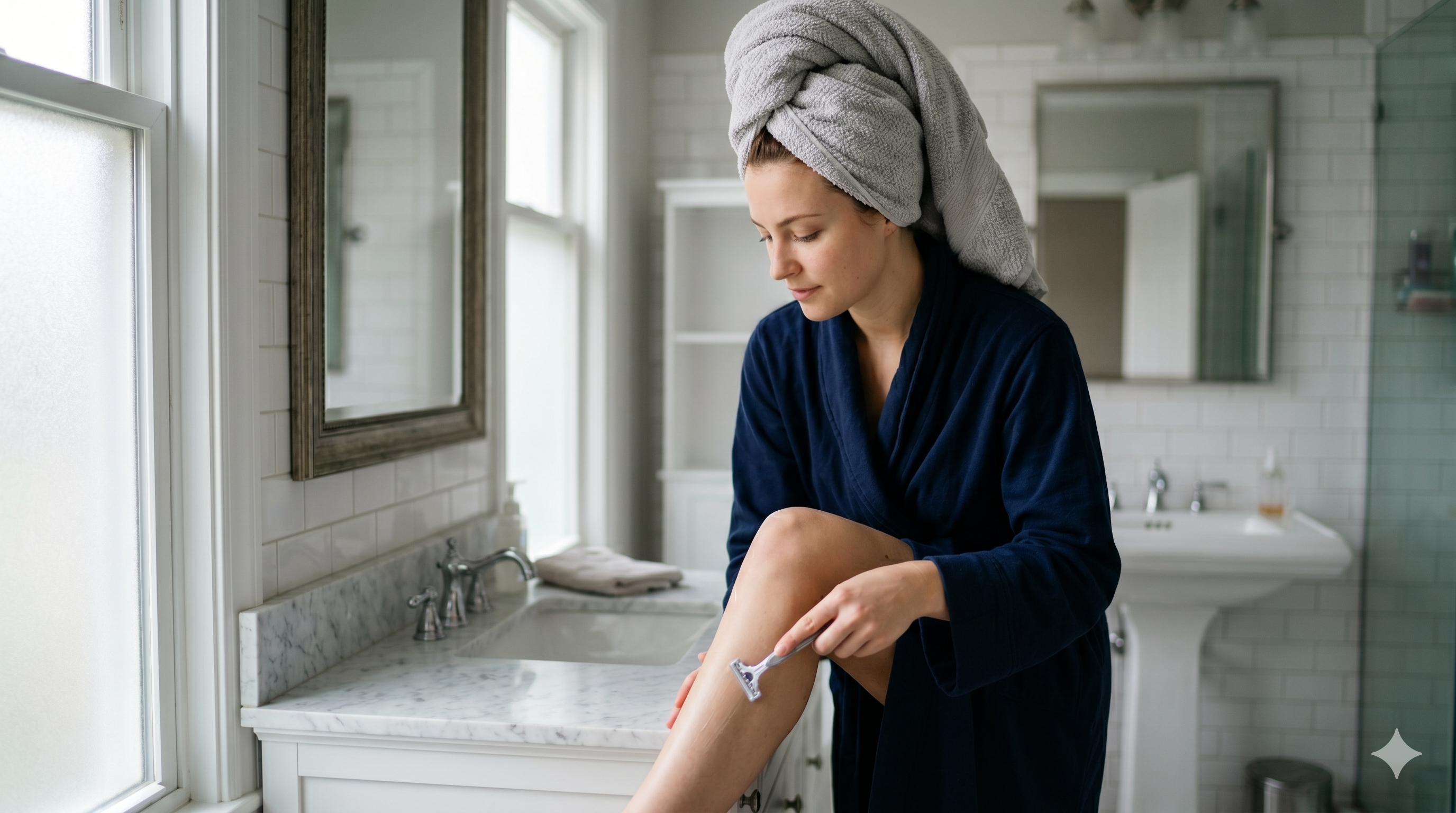
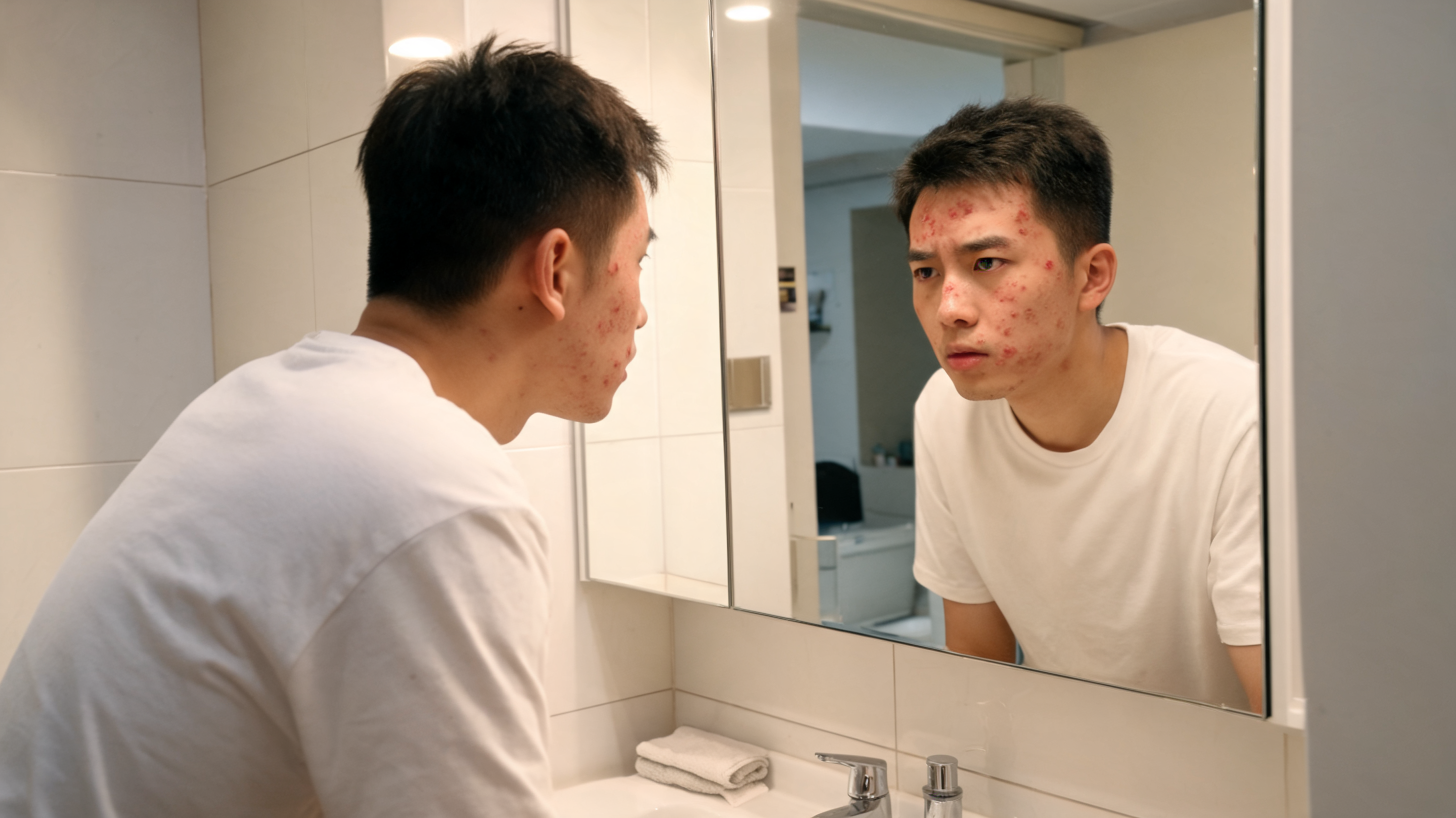
You’re well past the age of essays, curfew negotiations, and awkward school discos. You have a career, a pension, and perhaps a mortgage. Yet, you wake up, look in the bathroom mirror, and there it is: a painful, angry, deep-seated breakout right along your jawline.
If it feels incredibly unfair to battle wrinkles and spots at the exact same time, you are far from alone. Dermatologists globally are reporting a stark, puzzling trend: adult acne is on the rise, particularly among individuals in their 30s, 40s, and 50s. Interestingly, this phenomenon disproportionately affects women, with clinical studies showing that up to 50% of women experience some form of facial acne during their adult lives.
In a state of panic, many adults sprint to the nearest chemist aisle and grab the exact same weapons they used in secondary school—harsh alcohol-based toners, maximum-strength benzoyl peroxide gels, and stripping facial scrubs.
The result? Red, peeling, deeply irritated skin, and—infuriatingly—even more breakouts.
The truth is that adult acne is fundamentally different from teenage acne. Treating mature skin with adolescent protocols is a recipe for barrier disaster. Here is a deep dive into why adult acne happens, why your old teenage treatments are failing you, and how to finally clear your 30+ skin without destroying it.
The Shift: How Adult Acne Differs from Teen Breakouts
To understand why your current skincare regimen isn't working, we have to look at how acne changes as we age. It isn't just the timing that’s different; it’s the underlying biology, the triggers, and even the physical location on your face.
The Teen Acne Profile
In our teenage years, acne is largely driven by a massive surge of growth hormones called androgens. These hormones kick the sebaceous (oil) glands into hyperdrive.
-
The Blueprint: Teen skin produces an excess of thick, sticky sebum. This oil combines with rapidly shedding dead skin cells to plug pores, creating a breeding ground for acne-causing bacteria (Cutibacterium acnes).
-
The Zone: Teen breakouts typically colonise the T-zone (the forehead, nose, and upper cheeks), where oil glands are most densely concentrated. These blemishes are often a mix of blackheads, spots, and superficial pustules.
-
The Skin Resilience: Teenagers possess incredibly resilient skin. Their cellular turnover is lightning-fast, their skin barrier is thick, and their natural moisture reserves are overflowing. Their skin can tolerate aggressive, drying treatments because it bounces back rapidly.
The Adult Acne Profile
Fast forward to your 30s and beyond. Your sebum production has naturally slowed down, and your skin barrier is structurally altered.
-
The Blueprint: Adult acne is less about generalised "dirty, oily skin" and far more about chronic, low-grade internal inflammation, sluggish cellular turnover, and fluctuating hormones.
-
The Zone: Adult breakouts favour the U-zone—the jawline, chin, and lower neck. Instead of surface-level spots, adult acne frequently manifests as deep, painful bumps called cystic acne. These lesions develop deep within the dermis, rarely come to a head, and linger for weeks.
-
The Skin Vulnerability: By age 30, skin begins to lose its elasticity, its ability to retain moisture declines, and the natural cell renewal process slows to a crawl. The skin barrier is thinner and more easily compromised.
Why Teen Treatments Fail 30+ Skin
When you apply a teenage acne treatment to an adult face, you are treating a biological problem that doesn't exist anymore while ignoring the vulnerabilities of mature skin. Here is exactly why those old favourites are sabotaging your complexion.
1. High-Strength Benzoyl Peroxide Causes "Barrier Burn"
Benzoyl peroxide is an exceptional ingredient for teenage skin because it introduces oxygen into the pores, killing anaerobic acne bacteria. However, teen products often formulate this at 5% or 10% strengths.
On 30+ skin, which naturally produces less sebum and has a fragile lipid barrier, these high percentages act like a chemical bulldozer. They strip away the vital lipids holding your skin cells together, causing extreme dryness, redness, and flaking. When your barrier is compromised, bacteria can penetrate more easily, resulting in a paradoxical increase in breakouts.
2. Salicylic Acid Overuse Halts Healing
Salicylic acid (a beta-hydroxy acid, or BHA) is excellent for degreasing pores. But while a teenager's oil-saturated skin can handle a 2% salicylic acid wash followed by a 2% salicylic toner and a salicylic spot treatment, adult skin cannot. Over-exfoliating mature skin slows down its already sluggish wound-healing process. A spot that might have cleared in three days now leaves a dark, hyperpigmented mark that lasts for months.
3. Stripping Foams and Alcohol-Based Toners Trigger Reactive Seborrhoea
Many teen-targeted lines feature squeaky-clean foaming cleansers and astringent toners packed with denatured alcohol. They aim to dry out active oil slicks. If you use these on mature skin, you dehydrate the stratum corneum (the outermost layer of skin). In response to this sudden, artificial drought, your skin can panic and trigger reactive seborrhoea—a sudden overproduction of oil to compensate for the dryness, leading to further clogged pores.
The Real Triggers Behind Adult Breakouts

If it's not just "dirty skin" or teenage grease, what is actually causing your 30+ breakouts? The culprits are modern lifestyle factors and shifting internal biochemistry.
[Hormonal Fluctuations] + [Chronic Stress (Cortisol)] + [Sluggish Cell Turnover]
                                  │
                                  ▼
                  [Deep, Inflammatory U-Zone Acne]
The Hormonal Rollercoaster
While teens experience a linear surge in hormones, adults experience erratic fluctuations. For women, estrogen levels drop relative to progesterone and testosterone right before their menstrual cycle, during pregnancy, after stopping oral contraceptives, or during perimenopause. This relative androgen dominance signals the oil glands in the jawline area to produce a specific type of sticky sebum that easily plugs narrow, mature pores.
The Stress-Cortisol Pipeline
In your 30s, stress is often chronic—juggling careers, family, finances, and sleep deprivation. When you are chronically stressed, your adrenal glands flood your system with cortisol. Cortisol is a highly inflammatory hormone. It triggers a chain reaction that stimulates your sebaceous glands to produce more oil while simultaneously impairing your immune system's ability to fight off acne-related inflammation.
Metabolic and Dietary Shifts
Our bodies handle inflammation differently as we age. Diets high in refined carbohydrates, sugar, and certain dairy products cause rapid spikes in insulin and insulin-like growth factor 1 (IGF-1). In adults, these systemic spikes trigger systemic inflammation, which shows up directly on the skin as angry, cystic nodules.
The 30+ Anti-Acne Protocol: A Sophisticated Strategy
Clearing adult acne requires a pivot from stripping and destroying to calming, regulating, and supporting. You must treat the acne while simultaneously respecting the ageing process.
Here is a sophisticated, dermatologically sound framework for adult skin:
Step 1: Switch to a Non-Stripping Cleanser
Ditch the harsh, medicated foaming gels. Look for cream, milk, or gentle hydrating gel cleansers that use surfactants like coco-glucoside. Your goal is to remove surface debris and makeup without disrupting the acid mantle. If your skin feels tight or "squeaky" after washing, your cleanser is too aggressive.
Step 2: Introduce Retinoids (The Gold Standard)
Retinoids (Vitamin A derivatives) are the ultimate dual-purpose molecules for adults. They accelerate cellular turnover, ensuring dead skin cells are shed properly rather than getting trapped in pores. Simultaneously, they stimulate collagen production, targeting fine lines and smoothing acne scars.
-
Beginner: Look for over-the-counter Retinol or Retinaldehyde (which converts faster in the skin).
-
Advanced: Speak to a dermatologist or GP about prescription-strength Tretinoin or Trifarotene.
-
Rule: Apply only at night, and start 2–3 times a week to avoid irritation.
Step 3: Hydrate with Barrier-Supporting Moisturisers
Many adults with acne skip moisturiser out of fear that it will clog their pores. This is a critical mistake. Dehydrated skin cannot shed dead cells efficiently, worsening acne. Look for lightweight, oil-free, non-comedogenic lotions or gels that feature:
-
Ceramides: To repair and lock the skin barrier.
-
Niacinamide (Vitamin B3): A powerhouse that calms redness, regulates oil production, and fades post-inflammatory marks.
-
Hyaluronic Acid / Glycerin: To pull water into the skin without adding heavy oils.
Step 4: Use Smart Topical Anti-Inflammatories
Instead of high-percentage benzoyl peroxide, opt for gentle anti-microbial and anti-inflammatory ingredients:
-
Azelaic Acid (10% - 15%): A holy grail for adult acne. It is a mild exfoliant, kills acne bacteria, reduces swelling, and actively blocks the enzyme responsible for dark spots (hyperpigmentation).
-
Low-Dose Salicylic Acid (0.5% - 1%): Used selectively, or via a targeted leave-on liquid a few nights a week, rather than a harsh daily wash.
The Role of Professional and Internal Interventions
Sometimes, topical skincare isn't enough because the root cause lives deep within the endocrine system. If you have optimised your skincare routine for 8 to 12 weeks and see no improvement, it is time to consider medical and professional solutions.
| Treatment Type | How it Works | Best Suited For |
| Spironolactone | An oral prescription medication that gently blocks androgen receptors in the skin, reducing hormonal sebum production. | Women with cyclic, deep jawline acne. Note: Usually prescribed off-label in the UK via a dermatologist. |
| Oral Contraceptives | Specific birth control pills stabilise hormone drops, keeping oil production steady. | Individuals looking for combined contraceptive and acne management. |
| Chemical Peels | Professional peels utilising Glycolic or Mandelic acid dissolve the "glue" holding dead skin cells together. | Clearing surface congestion and fading stubborn dark spots. |
| LED Light Therapy | Blue light kills surface acne bacteria; red light reduces deep inflammation and speeds healing. | Supplementing a daily topical routine without adding chemical irritation. |
Embrace a Long-Game Mindset
The most crucial adjustment you must make when tackling adult acne is psychological. In our teens, we wanted a spot gone by Friday night's plan, leading to aggressive spot-treating. In your 30s and beyond, your skin demands a holistic, long-game strategy.
Real skin health takes time. A mature skin cycle takes anywhere from 28 to 45 days, meaning any new skincare routine requires at least two full months of consistency before you can accurately judge its efficacy.
Stop treating your sophisticated, mature skin like it's back in secondary school. Step away from the drying scrubs, embrace hydration, lower systemic inflammation, and treat your skin barrier with the respect it deserves. A calm, nourished, and clear complexion is entirely possible at 30 and beyond—no teenage angst required.